
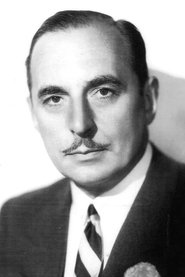
Douglass Dumbrille
Actor
Born: October 13, 1889 in Hamilton, Ontario, Canada Died: April 2, 1974 Active: 1924-1974
Films
3 films
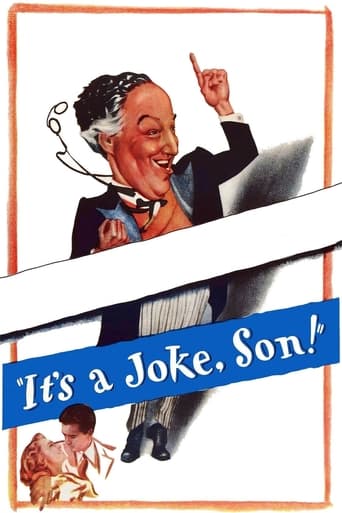
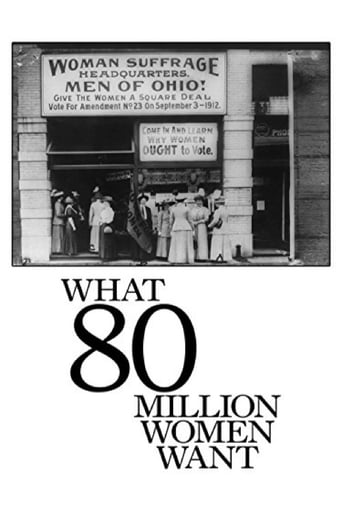
About Douglass Dumbrille
Canadian-American character actor: five decades of Hollywood's Golden Age. Born in Hamilton, Ontario, he began his career on the Canadian stage before moving to New York to pursue Broadway productions in the 1920s. His transition to films came with the advent of sound, where his commanding voice and authoritative presence made him a natural fit for talking pictures. Dumbrille became one of Hollywood's most reliable character actors, specializing in playing villains, corrupt officials, and authority figures with a distinctive cold, calculating demeanor. Douglass appears in over 200 films between 1924 and 1974, working with virtually every major studio and director of the era. His career evolved from film to television in the 1950s and 1960s, where he continued to find steady work in both mediums. Dumbrille married actress Patricia Mowbray in 1949, and they remained together until his death in 1974, solidifying his reputation as both a talented performer and devoted family man.
The Craft
On Screen
Dumbrille specialized in portraying cold, calculating antagonists with a distinctive patrician bearing. His acting style was characterized by precise diction, controlled movements, and an ability to convey menace through subtle facial expressions rather than overt gestures. He brought intelligence and sophistication to his villainous roles, often playing corrupt businessmen, politicians, or judges with a chilling calmness that made his characters more menacing. His voice was his greatest asset - deep, resonant, and authoritative, perfect for the sound era.
Milestones
- Appeared in over 200 films during his career
- Frequent collaborator with Frank Capra
- Successful transition from silent films to talkies
- Prolific television career in the 1950s-60s
- Known for playing sophisticated villains and authority figures
Best Known For
Iconic Roles
Must-See Films
Accolades
Special Recognition
- Hollywood Walk of Fame star (6600 Hollywood Blvd)
Working Relationships
Worked Often With
Studios
Why They Matter
Impact on Culture
Douglass Dumbrille significantly influenced the archetype of the sophisticated villain in Golden Age Hollywood cinema. Unlike the melodramatic antagonists of earlier eras, Dumbrille brought intelligence, subtlety, and a believable menace to his villainous roles, helping to elevate the complexity of character acting in American films. His work in films like 'Mr. Smith Goes to Washington' helped establish the template for corrupt political figures in cinema, a trope that continues to this day. His ability to make villains both detestable and compelling contributed to the moral complexity of Hollywood's Golden Age films.
Lasting Legacy
Dumbrille's lasting legacy lies in his contributions to character acting and the development of cinematic villainy. With over 200 film appearances, he represents the quintessential Hollywood character actor who, while never achieving leading man status, became indispensable to the industry. His performances continue to be studied by film scholars and appreciated by classic cinema enthusiasts. His successful transition to television demonstrated his adaptability and ensured his relevance across multiple media platforms. Today, he is remembered as.
Who They Inspired
Dumbrille influenced generations of character actors who followed, particularly in how to approach villainous roles with intelligence and subtlety rather than caricature. His technique of using controlled menace and sophisticated delivery became a model for actors playing antagonists. His work with directors like Frank Capra helped establish standards for supporting performances in ensemble casts. Many contemporary character actors cite early Hollywood performers like Dumbrille as inspiration for their approach to complex supporting roles.
Off Screen
Douglass Dumbrille was married twice during his lifetime. His first marriage was to Florence, which ended in divorce. In 1949, he married actress Patricia Mowbray, who was 27 years his junior, and they remained together until his death. The couple had one son together, John Dumbrille. Dumbrille was known as a dedicated family man who balanced his prolific career with his home life. He became a naturalized American citizen while maintaining his Canadian heritage throughout his life.
Education
Educated in Hamilton, Ontario, Canada. Additional training in theater and acting during his early stage career.
Family
- Florence Dumbrille (divorced)
- Patricia Mowbray (1949-1974)
Did You Know?
- He appeared in over 200 films during his 50-year career
- Despite often playing villains, he was known as a kind and gentle person in real life
- He was one of the few actors to successfully transition from silent films to talkies to television
- His distinctive voice made him a popular choice for radio dramas in the 1930s and 1940s
- He was a Canadian citizen who became a naturalized American
- His second wife, Patricia Mowbray, was the daughter of actress Margaret Mowbray
- He continued working until shortly before his death at age 84
- He never received an Academy Award nomination despite his prolific career
- His star on the Hollywood Walk of Fame was awarded in 1960
- He often played characters who were much older than his actual age
In Their Own Words
As an actor, I've learned that the villain is often the most interesting character to play - he has motivations, he has reasons, even if they're twisted ones.
In Hollywood, typecasting can be both a blessing and a curse. I was blessed with steady work playing the bad guy, but cursed in that audiences sometimes forgot there was a real person behind those villainous roles.
Frequently Asked Questions
Who was Douglass Dumbrille?
Screen credits include over 200 films during Hollywood's Golden Age. He was best known for playing sophisticated villains and authority figures with his distinctive cold, calculating demeanor and authoritative voice.
What films is Douglass Dumbrille best known for?
Titles linked here include Mr. Smith Goes to Washington (1939), The Devil and Daniel Webster (1941).
When was Douglass Dumbrille born and when did he die?
Born October 13, 1889; died April 2, 1974.
What awards did Douglass Dumbrille win?
Despite his prolific career, Douglass Dumbrille never received major award nominations. However, he was honored with a star on the Hollywood Walk of Fame at 6600 Hollywood Boulevard for his contributions to the film industry.
What was Douglass Dumbrille's acting style?
Dumbrille was known for his sophisticated villain portrayals characterized by precise diction, controlled movements, and subtle menace. He brought intelligence and authority to his roles, using his deep, resonant voice and patrician bearing to create memorable antagonists who were both detestable and compelling.