John Emery
Actor
Born: May 20, 1905 in New York City, New York, USA Died: November 16, 1964 Active: 1932-1964
Films
1 film
About John Emery
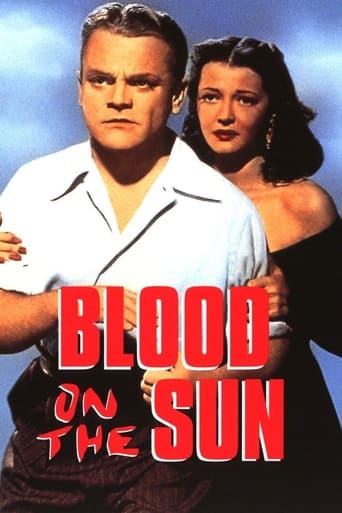
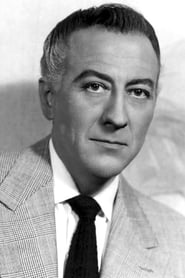
American actor known for his sophisticated demeanor and distinctive voice, who carved out a successful career in Hollywood during the Golden Age of cinema. Born into a theatrical family in New York City in 1905, Emery began his acting career on Broadway before transitioning to films in the early 1930s. He quickly established himself as a reliable character actor, often playing aristocratic villains, sophisticated businessmen, or foreign diplomats with equal skill. His most famous role came in 1945's 'Blood on the Sun,' where he played the Japanese police chief opposite James Cagney. Emery's personal life garnered significant attention when he married the and flamboyant actress Tallulah Bankhead in 1937, though their marriage ended in divorce in 1941. Throughout his career, he appeared in more than 50 films and transitioned successfully to television in the 1950s. He continued working until shortly before his death from a heart attack in 1964 at the age of 59.
The Craft
On Screen
John Emery was known for his refined, sophisticated acting style characterized by precise diction, aristocratic bearing, and a cool, detached demeanor. He excelled at playing characters with underlying menace or hidden agendas, using subtle facial expressions and minimal gestures to convey complex emotions. His distinctive voice, with its measured cadence and upper-class inflections, became his trademark and made him particularly effective in roles requiring authority or foreign sophistication. Emery's approach was understated yet impactful, often stealing scenes with minimal dialogue through his commanding screen presence and ability to suggest deeper psychological layers beneath his characters' polished exteriors.
Milestones
- Broadway stage debut in the early 1930s
- Film debut in 'The Story of Temple Drake' (1933)
- Marriage to Tallulah Bankhead (1937-1941)
- Memorable role in 'Blood on the Sun' (1945)
- Transition to television in the 1950s
- Final film appearance in 'The Carpetbaggers' (1964)
Best Known For
Iconic Roles
Must-See Films
Working Relationships
Worked Often With
Studios
Why They Matter
Impact on Culture
John Emery contributed significantly to the fabric of Golden Age Hollywood through his consistent character work, particularly in roles that required sophistication and authority. His ability to portray foreign characters with authenticity helped Hollywood films of the 1930s and 1940s achieve greater international credibility. Emery's work in 'Blood on the Sun' during World War II represented Hollywood's engagement with wartime themes and international politics. His transition from stage to film to television mirrored the evolution of the entertainment industry itself, making him a representative figure of actors who successfully navigated changing media landscapes. While never a leading man, Emery's supporting roles added depth and credibility to numerous classic films.
Lasting Legacy
John Emery's legacy lies in his contribution to the rich tradition of character actors who provided essential depth and variety to classic Hollywood cinema. His performances continue to be appreciated by film scholars and classic movie enthusiasts for their subtlety and professionalism. Emery represents the type of reliable, skilled actor who, while never achieving stardom, was essential to the success of countless films. His work serves as an example of the craft of character acting during Hollywood's Golden Age, demonstrating how supporting players could elevate material through technique and dedication. His marriage to Tallulah Bankhead also ensures his place in Hollywood history as part of one of the era's most talked-about couples.
Who They Inspired
John Emery influenced subsequent generations of character actors through his demonstration of how specialized skills—such as his distinctive voice and aristocratic bearing—could create a lasting career in supporting roles. His ability to transition between different media (stage, film, television) provided a model for actors adapting to industry changes. His sophisticated approach to villainous and authority figures helped establish conventions for such roles that would be followed by later actors. While he didn't mentor specific individuals who became famous, his body of work continues to serve as a study in effective character acting for acting students and performers.
Off Screen
John Emery's personal life was marked by his high-profile marriage to the legendary actress Tallulah Bankhead, which captured public fascination despite its brief duration. The couple married in 1937 and divorced in 1941, with their relationship characterized by Bankhead's flamboyant lifestyle and Emery's more reserved nature. Beyond this notable marriage, Emery maintained a relatively private personal life, focusing on his craft and avoiding the Hollywood spotlight. He was known among colleagues as a dedicated professional who took his work seriously and maintained friendships within the acting community throughout his career.
Education
Educated in New York City, with early theatrical training through family connections and formal dramatic education
Family
- Tallulah Bankhead (1937-1941)
Did You Know?
- His mother was actress Elsie Emery, giving him early exposure to the entertainment industry
- He was typecast as aristocratic or villainous characters due to his distinctive appearance and voice
- His marriage to Tallulah Bankhead was one of Hollywood's most talked-about unions of the late 1930s
- Despite playing Japanese characters in films, he had no Japanese ancestry
- He appeared in both the 1934 and 1952 versions of 'The Merry Widow' in different roles
- His final film 'The Carpetbaggers' was released posthumously
- He made numerous television appearances in the 1950s, including 'Perry Mason' and 'Alfred Hitchcock Presents'
- He was often cast in period pieces due to his classic features and formal bearing
- His voice work was featured in several radio dramas during the 1940s
- He maintained a successful career despite never becoming a major star
In Their Own Words
Acting is not about being famous, it's about becoming good at your craft and being hired consistently.
Playing villains is more interesting than heroes—they have more complex motivations.
The stage teaches you discipline that film actors often lack.
Frequently Asked Questions
Who was John Emery?
American character with credits in this catalog. He appeared in over 50 films and numerous television shows, often playing aristocratic or villainous roles. His most famous performance was in 'Blood on the Sun' (1945) opposite James Cagney.
What films is John Emery best known for?
Titles linked here include Blood on the Sun (1945), The Story of Temple Drake (1933).
When was John Emery born and when did he die?
Born May 20, 1905; died November 16, 1964.
What awards did John Emery win?
John Emery did not receive major industry awards during his career, though he was recognized as a reliable and skilled character actor. His contributions to film and television were appreciated through consistent employment and respect from his peers in the industry.
What was John Emery's acting style?
John Emery's acting style was characterized by sophistication, precise diction, and a cool, detached demeanor. He excelled at playing aristocratic or villainous characters using subtle expressions and his distinctive voice. His approach was understated yet commanding, making him ideal for roles requiring authority or menace.
Was John Emery married to Tallulah Bankhead?
Yes, John Emery was married to the legendary actress Tallulah Bankhead from 1937 to 1941. Their marriage was one of Hollywood's most talked-about unions of the era, though it ended in divorce after four years. Bankhead's flamboyant personality contrasted with Emery's more reserved nature.
Did John Emery work in television?
Yes, John Emery successfully transitioned to television in the 1950s, appearing in numerous popular series including 'Perry Mason,' 'Alfred Hitchcock Presents,' and 'Playhouse 90.' His television work extended his career and introduced him to new audiences during the medium's golden age.
What was John Emery's background in theater?
John Emery came from a theatrical family—his mother was actress Elsie Emery—and began his career on Broadway in the early 1930s before transitioning to films. His stage training provided him with the discipline and technique that characterized his film and television performances throughout his career.