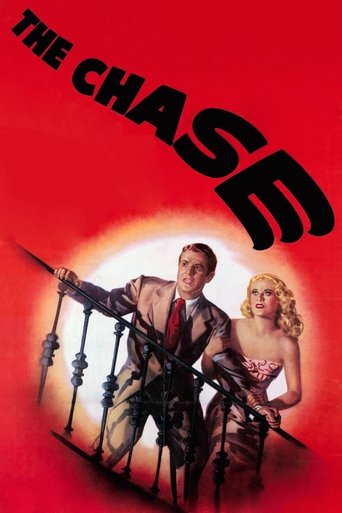

Michèle Morgan
Actor
Born: February 29, 1920 in Nice, Alpes-Maritimes, France Died: December 20, 2016 Active: 1937-1999 Birth Name: Madeleine Claire
Films
1 film
About Michèle Morgan
Michèle Morgan, born Madeleine Claire, was one of France's most and enduring film stars, whose over six decades from the late 1930s through the 1990s. Discovered at age 15 by director Marc Allégret, she made her film debut in 1937 and quickly rose to prominence with her ethereal beauty and natural acting style. During World War II, she fled to Hollywood where she signed with RKO Pictures and appeared in several American films, including Joan of Paris (1942). After returning to France in 1946, she delivered her most acclaimed performance in Marcel Carné's 'La Symphonie pastorale' (1946), which earned her the Cannes Film Festival Best Actress Award. Throughout the 1950s and 1960s, she continued to star in numerous French and international productions, working with directors like Jean Renoir and Sacha Guitry. Her career remained active into her later years, with her final film appearance in 1999. Morgan was not only a celebrated actress but also a symbol of French cinema's golden age, representing elegance and resilience through periods of war and cultural change.
The Craft
On Screen
Known for her natural, understated performance style that combined vulnerability with strength, Morgan brought a delicate sensibility to her roles while maintaining an air of sophisticated elegance. Her screen presence was characterized by luminous eyes and a subtle, expressive face that could convey complex emotions without melodramatic gestures.
Milestones
- Discovered by Marc Allégret at age 15
- Signed with RKO Pictures during WWII
- Won Cannes Best Actress for 'La Symphonie pastorale' (1946)
- Named 'Most Beautiful Woman in the World' by Esquire magazine (1948)
- Received honorary César Award (1992)
- Commander of the Legion of Honour
Best Known For
Iconic Roles
Must-See Films
Accolades
Won
- Cannes Film Festival Best Actress Award for 'La Symphonie pastorale' (1946)
- Honorary César Award (1992)
- Prix Suzanne Bianchetti (1946)
Nominated
- BAFTA nomination for Best Foreign Actress for 'The Fallen Idol' (1948)
- Golden Globe nomination for Best Actress for 'The 3D Circus' (1952)
Special Recognition
- Commander of the Legion of Honour (France)
- Commander of the National Order of Merit (France)
- Star on Hollywood Walk of Fame
- Étoile d'Or du Cinéma Français
Working Relationships
Worked Often With
Studios
Why They Matter
Impact on Culture
Michèle Morgan represented the transition from pre-war French cinema to the post-war renaissance, embodying both classic French elegance and international appeal. Her wartime move to Hollywood and subsequent return to France made her a cultural bridge between American and European cinema. She was instrumental in bringing French cinematic sensibility to international audiences while maintaining her distinctly French identity. Morgan's beauty and talent made her.
Lasting Legacy
As one of the last surviving stars of France's golden age of cinema, Morgan's legacy encompasses not only her extensive filmography but also her role as a cultural ambassador for French cinema. She paved the way for French actresses to achieve international recognition without compromising their artistic integrity. Her career longevity and continued relevance into the 21st century demonstrated remarkable adaptability and enduring appeal. Morgan remains an icon of French cinema, representing an era of glamour, artistic excellence, and cultural resilience.
Who They Inspired
Morgan influenced generations of French actresses through her combination of natural talent, beauty, and professionalism. Her ability to work successfully in both French and international cinema set a precedent for later European stars. Her understated acting style contrasted with the more theatrical approaches common in earlier French cinema, helping to modernize French film performance. Many subsequent French actresses cited her as an inspiration for maintaining their French identity while achieving international success.
Off Screen
Morgan was married twice and had one son. Her first marriage to American actor William Marshall ended in divorce in 1948. She later married French actor Henri Vidal in 1950, remaining with him until his death in 1959. Despite her glamorous public image, Morgan was known for her private nature and dedication to her craft. She spent her later years in her native France, occasionally appearing in films and television shows while enjoying her status as a living legend of French cinema.
Education
Studied acting at the Conservatoire de Nice before moving to Paris to pursue her film career
Family
- William Marshall (1942-1948)
- Henri Vidal (1950-1959)
Did You Know?
- Born on Leap Day (February 29)
- Was discovered while selling perfume at a department store
- Was named 'Most Beautiful Woman in the World' by Esquire magazine in 1948
- Spoke fluent English with only a slight accent
- Turned down the lead role in 'Casablanca' (which went to Ingrid Bergman)
- Her son Mike Marshall was also an actor who appeared in 'The Great Escape'
- Was the first recipient of the Best Actress Award at the Cannes Film Festival
- Served as a jury member at the Cannes Film Festival multiple times
- Published her autobiography 'Avec les yeux du cœur' in 1977
- Was a close friend of fellow French star Micheline Presle
In Their Own Words
I always tried to be natural on screen. I think that's why audiences liked me - they saw someone real, not just an actress playing a part.
Beauty is a gift, but it's also a trap. People don't always see beyond it to the person underneath.
Cinema was my life, but France was my heart. I could work anywhere, but I could only truly be myself at home.
Frequently Asked Questions
Who was Michèle Morgan?
Legendary French actress whose active years covered from 1937 to 1999. She was one of France's most iconic film stars, known for her beauty, natural acting style, and international success in both French and Hollywood films.
What films is Michèle Morgan best known for?
Titles linked here include La Symphonie pastorale (1946), Le Quai des brumes (1938).
When was Michèle Morgan born and when did she die?
Born February 29, 1920; died December 20, 2016.
What awards did Michèle Morgan win?
She won the inaugural Cannes Film Festival Best Actress Award for 'La Symphonie pastorale' in 1946, received an honorary César Award in 1992, and was honored with the Prix Suzanne Bianchetti in 1946. She was also named a Commander of the Legion of Honour.
What was Michèle Morgan's acting style?
Morgan was known for her natural, understated performance style that emphasized emotional authenticity over theatricality. Her screen presence combined vulnerability with strength, characterized by luminous eyes and subtle facial expressions that conveyed complex emotions with minimal gestures.