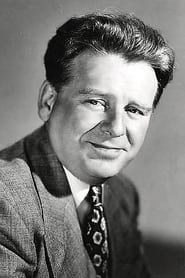
Wallace Ford
Actor
Born: February 8, 1898 in Bolton, Lancashire, England Died: January 11, 1966 Active: 1931-1966 Birth Name: Samuel Jones Grundy
Films
2 films

About Wallace Ford
Prolific British-American character actor: over three decades in Hollywood, appearing in more than 200 films. Born Samuel Jones Grundy in Bolton, Lancashire, England, he was abandoned as a child and raised in various orphanages before running away to join a traveling circus as a teenager. After serving in World War I, he emigrated to Canada and later the United States, where he began his acting career in vaudeville and on Broadway. Ford made his film debut in the early 1930s and quickly established himself as a reliable supporting actor, known for his distinctive appearance with a bald head and expressive eyes. He worked steadily through the Golden Age of Hollywood, appearing in everything from horror films to comedies, westerns, and dramas. His most memorable roles often showcased his ability to play both sympathetic and menacing characters with equal skill. Ford continued working in film and television until his death in 1966, leaving behind an impressive body of work that exemplified the journeyman actor's contribution to classic cinema.
The Craft
On Screen
Ford was known for his naturalistic acting style and remarkable versatility, able to seamlessly transition between comedic and dramatic roles. His distinctive appearance, characterized by his bald head and intense eyes, made him instantly recognizable, yet he never relied on typecasting. He brought a working-class authenticity to his roles, drawing from his difficult childhood and varied life experiences. Ford had a particular talent for playing ordinary men caught in extraordinary circumstances, making his characters relatable to audiences. His delivery was understated yet emotionally resonant, and he excelled at conveying complex emotions through subtle facial expressions and body language.
Milestones
- Film debut in 'The Lost Squadron' (1932)
- Breakthrough role in 'Freaks' (1932)
- Prolific work in Universal horror films
- Transition to television in the 1950s
- Final film appearance in 'The Oscar' (1966)
Best Known For
Iconic Roles
Must-See Films
Accolades
Special Recognition
- Hollywood Walk of Fame star (located at 6608 Hollywood Boulevard)
Working Relationships
Worked Often With
Studios
Why They Matter
Impact on Culture
Wallace Ford's impact on cinema lies in his embodiment of the quintessential character actor who elevated every production he joined. His work in Tod Browning's controversial 'Freaks' (1932) contributed to. Through his numerous appearances in Universal's horror cycle, Ford helped establish the visual and thematic language of American horror cinema. His ability to play both sympathetic and sinister characters with equal conviction made him a valuable asset to directors seeking to add depth and authenticity to their supporting casts. Ford's career trajectory from circus performer to Hollywood regular exemplified the American dream narrative that resonated with Depression-era audiences.
Lasting Legacy
Wallace Ford's legacy endures through his extensive filmography that serves as a time capsule of Hollywood's Golden Age. With over 200 film appearances, he represents the backbone of classic cinema - the reliable character actors who provided the foundation upon which stars could shine. His performances in horror films have ensured his continued recognition among genre enthusiasts, while his work in mainstream dramas and comedies demonstrates his remarkable range. Ford's journey from orphanage child to successful Hollywood actor remains an inspiring story of perseverance and talent. Modern film historians and classic cinema fans continue to discover and appreciate his contributions, particularly his nuanced performances that elevated otherwise conventional productions.
Who They Inspired
Ford influenced subsequent generations of character actors through his demonstration that supporting roles could be both artistically fulfilling and financially rewarding. His naturalistic acting style helped move film performance away from the theatricality of the silent era toward the more subtle approach that would dominate mid-century cinema. Many contemporary character actors cite Ford as an exemplar of how to build a sustainable career without becoming a leading man. His ability to work across genres showed the value of versatility in an industry that increasingly typecast performers. Ford's professionalism and reliability set a standard for work ethic that influenced Hollywood's studio system culture.
Off Screen
Wallace Ford's personal life was marked by both stability and the challenges of his early years. Despite his traumatic childhood of abandonment and orphanage upbringing, he built a successful career and stable family life in Hollywood. He married actress Martha Hegeman in 1932, and their marriage lasted until her death in 1960. Ford was known as a reliable and professional actor who avoided the scandals that plagued many of his Hollywood contemporaries. In his later years, he suffered from poor health but continued working as much as possible. He died of a heart attack at his home in Woodland Hills, California, at the age of 67.
Education
Limited formal education due to orphanage upbringing; largely self-educated through life experiences and reading
Family
- Martha Hegeman (1932-1960)
Did You Know?
- Was abandoned as a child and raised in orphanages before running away to join a circus
- Served in the Canadian Army during World War I
- His stage name 'Wallace Ford' was chosen from a phone book
- Worked as a boxer and lumberjack before turning to acting
- Appeared in more films than many of the leading actors of his era
- Was a favorite of director Tod Browning, who cast him multiple times
- Despite his bald appearance, he wore a hairpiece in some early films
- Was one of the few actors to work with both Boris Karloff and Bela Lugosi extensively
- Made the transition to television successfully in the 1950s
- His daughter Patricia Ford also became an actress
- Was known for his photographic memory and ability to learn lines quickly
- Often played characters much older than his actual age
In Their Own Words
In this business, you're only as good as your last picture. That's why I keep making pictures.
I never wanted to be a star. I wanted to be an actor, and there's a difference.
Horror pictures are fun to make. You can be as silly as you want and people take it seriously.
Being a character actor is like being a good utility player on a baseball team - you may not hit the home runs, but you help win the games.
Frequently Asked Questions
Who was Wallace Ford?
Screen credits include over 200 films during Hollywood's Golden Age. Born Samuel Jones Grundy in England in 1898, he overcame a difficult childhood to become.
What films is Wallace Ford best known for?
Titles linked here include Freaks (1932), The Rogues' Tavern (1936).
When was Wallace Ford born and when did he die?
Born February 8, 1898; died January 11, 1966.
What awards did Wallace Ford win?
While Wallace Ford did not receive major acting awards during his career, he was honored with a star on the Hollywood Walk of Fame at 6608 Hollywood Boulevard, recognizing his significant contributions to the film industry through his extensive body of work.
What was Wallace Ford's acting style?
Ford was known for his naturalistic and understated acting style, bringing authenticity to every role regardless of genre. He excelled at playing ordinary men in extraordinary circumstances, using subtle facial expressions and a working-class relatability that made his characters memorable despite often limited screen time.