
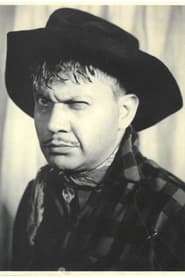
Michael Maltese
Actor
Born: February 6, 1908 in New York City, New York, USA Died: February 22, 1981 Active: 1936-1970s
Films
2 films

About Michael Maltese
Michael Maltese was and prolific screenwriters in the history of American animation, though he was not primarily known as an actor. Born in New York City in 1908, Maltese began his career in animation at Warner Bros. In 1936, where he would revolutionize cartoon writing over the next two decades. He crafted the scripts for over 300 Looney Tunes and Merrie Melodies shorts, working closely with directors like Chuck Jones, Friz Freleng, and Tex Avery. Maltese's sophisticated humor, clever wordplay, and mastery of comedic timing elevated animated cartoons from simple entertainment to sophisticated art. After leaving Warner Bros. In 1958, he wrote for Walter Lantz Studios, creating Woody Woodpepper cartoons, before joining Hanna-Barbera in the 1960s where he contributed to shows like 'The Flintstones' and 'The Jetsons.' His partnership with Chuck Jones produced some of animation's most enduring classics, including 'What's Opera, Doc?' and 'Duck Amuck.' Maltese retired in the 1970s, leaving behind an unparalleled legacy in animated comedy that creators today.
The Craft
Milestones
- Joined Warner Bros. Animation studio in 1936
- Wrote over 300 Warner Bros. Cartoons
- Created the story for 'What's Opera, Doc?' (1957)
- Wrote 'Duck Amuck' (1953) with Chuck Jones
- Moved to Hanna-Barbera in the 1960s
- Contributed to 'The Flintstones' and other classic animated series
Best Known For
Iconic Roles
Must-See Films
Accolades
Won
- Writers Guild of America Award for Outstanding Achievement in Animation (multiple wins)
Nominated
- Academy Award nomination for Best Animated Short Film - 'What's Opera, Doc?' (1957)
- Academy Award nomination for Best Animated Short Film - 'One Froggy Evening' (1955)
- Academy Award nomination for Best Animated Short Film - 'From A to Z-Z-Z-Z' (1954)
Special Recognition
- Inducted into the Animation Hall of Fame
- Writers Guild of America Lifetime Achievement Award (posthumous)
Working Relationships
Worked Often With
Studios
Why They Matter
Impact on Culture
Michael Maltese fundamentally transformed animated comedy from simple slapstick to sophisticated humor that appealed to both children and adults. His scripts incorporated literary allusions, cultural references, and complex wordplay that elevated animation to an art form. The characters he helped shape, particularly through his work with Chuck Jones, became cultural icons that have endured for generations. Maltese's influence extended beyond animation, influencing live-action comedy and television writing with his innovative approaches to timing, character development, and narrative structure.
Lasting Legacy
Maltese's legacy as one of animation's greatest writers is undisputed, with his cartoons still regularly screened and studied today. His work on Warner Bros. Cartoons created the template for sophisticated animated comedy that continues to influence creators from Pixar to modern television animation. Many of his cartoons are preserved in the Library of Congress and recognized as culturally significant works of American art. The techniques and storytelling innovations he pioneered remain fundamental to animation education and practice worldwide.
Who They Inspired
Maltese influenced countless animation writers and directors, including John Dunn, Michael O'Donnell, and modern creators like John Kricfalusi and Craig McCracken. His approach to writing comedy that worked on multiple levels became the standard for quality animated entertainment. The collaborative process he developed with Chuck Jones, where writer and director worked in close partnership, became a model for creative collaboration in animation studios. His scripts are still studied in film schools as examples of perfect comedic structure and timing.
Off Screen
Michael Maltese was married and had a family, though he maintained a relatively private personal life despite his professional success. He was known among colleagues as a dedicated professional who brought literary sophistication to animation writing. Maltese lived in the Los Angeles area for most of his professional career and remained active in the animation community until his health declined in his later years.
Family
- Florence Maltese (married until his death in 1981)
Did You Know?
- Wrote the story for over 300 Warner Bros. Cartoons
- Never appeared on camera as an actor despite the initial query
- His cartoon "What
- s Opera, Doc?
- was selected for preservation in the National Film Registry',
- Often incorporated opera and classical music references into his scripts
- Worked with Mel Blanc on perfecting timing between dialogue and animation
- Many of his cartoons won Academy Awards despite his writing not being individually credited
- Left Warner Bros. When the studio closed its animation department in 1958
- His writing style was known for its sophisticated wordplay and cultural references
- Helped create the dynamic between Bugs Bunny and various antagonists
- Contributed to the development of the Road Runner and Coyote series formula
In Their Own Words
'Animation is not just for kids. I always wrote for adults, knowing kids would enjoy it too.'
'The secret to good cartoon writing is timing - knowing exactly when to hit the punchline.'
'Working with Chuck Jones was like conducting an orchestra - every element had to be perfectly synchronized.'
'I never thought of myself as a children's writer. I was a comedy writer who happened to work in animation.'
'The best cartoons work on multiple levels - the surface story for kids, the deeper meaning for adults.'
Frequently Asked Questions
Who was Michael Maltese?
Michael Maltese was one of animation's most influential screenwriters, best known for his work on Warner Bros. Looney Tunes and Merrie Melodies cartoons from 1936 to 1958. He wrote over 300 animated shorts and collaborated closely with directors like Chuck Jones to create many of the most celebrated cartoons in animation history.
What films is Michael Maltese best known for?
Titles linked here include What's Opera, Doc? (1957), Duck Amuck (1953).
When was Michael Maltese born and when did he die?
Born February 6, 1908; died February 22, 1981.
What awards did Michael Maltese win?
Maltese received multiple Writers Guild of America Awards for his animation writing and had several of his cartoons nominated for Academy Awards. While individual writers weren't always credited during his era, his cartoons 'What's Opera, Doc?' and 'One Froggy Evening' received Academy Award nominations for Best Animated Short Film.
What was Michael Maltese's writing style?
Maltese's writing style was characterized by sophisticated wordplay, cultural references, literary allusions, and perfect comedic timing. He wrote humor that operated on multiple levels, appealing to both children and adults, and was known for his ability to craft complex narratives within the short cartoon format while maintaining perfect comedic pacing.