Films
1 film
About Galina Gromova
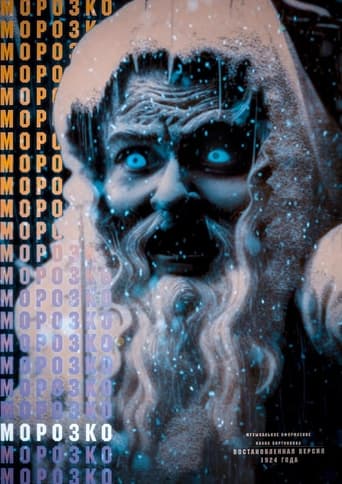
Soviet actress active during the silent film era of the early 1920s. Her known filmography consists primarily of her appearance in the 1924 Russian fantasy film 'Morozko,' which was based on traditional Russian folklore about the winter deity Father Frost. Like many actors of the early Soviet cinema period, Gromova emerged during a transformative time when Russian cinema was transitioning from imperial to Soviet production. Her career appears to have been brief, typical of many actors in the nascent Soviet film industry who participated in only a handful of productions. The film 'Morozko' was one of the early adaptations of Russian fairy tales that would become a staple of Soviet cinema. Unfortunately, detailed records about many actors from this period are scarce, and much of Gromova's personal history and career trajectory remains undocumented in surviving film archives.
The Craft
Milestones
- Appearance in the 1924 silent fantasy film 'Morozko'
Best Known For
Iconic Roles
Must-See Films
Working Relationships
Studios
Why They Matter
Impact on Culture
Galina Gromova represents the generation of early Soviet actors who helped establish the foundation of Russian cinema during its formative years. Though her career was brief, her participation in 'Morozko' contributed to the early tradition of adapting Russian folklore for the screen, a practice that would become central to Soviet and later Russian cinema. Actors like Gromova were pioneers in a new cultural medium that the Soviet government would eventually use as a tool for both artistic expression and ideological education. Her work, along with that of her contemporaries, helped preserve and popularize traditional Russian stories during a period of significant cultural and political transformation.
Lasting Legacy
Galina Gromova's legacy is primarily preserved through her contribution to early Soviet cinema and the folklore film tradition. While she may not be widely remembered today, her work in 'Morozko' represents an important chapter in the history of Russian film adaptation of cultural myths. The 1924 version of 'Morozko' stands as an early example of how Russian filmmakers approached fantasy and folklore subjects, setting precedents for future adaptations. Like many actors from the silent era, Gromova's legacy is tied to the broader development of cinema as an art form in Russia, and her participation in this early fantasy film helped establish a genre that would continue to evolve throughout Soviet and post-Soviet cinema.
Who They Inspired
Due to the limited documentation of her career and the brief nature of her filmography, it's difficult to trace Galina Gromova's direct influence on subsequent generations of actors. However, as part of the first wave of Soviet film actors, she contributed to the establishment of acting techniques and approaches that would be built upon by later generations of Russian performers. The fantasy genre she participated in would continue to be an important part of Russian cinema, influencing countless actors who would follow in similar roles in folklore adaptations.
Off Screen
Very little is known about Galina Gromova's personal life, which is common for actors from the early Soviet silent film era. Many records from this period were lost or never systematically documented, particularly for actors who had brief careers or appeared in only a few productions.
Did You Know?
- Appeared in 'Morozko' during the early Soviet cinema period when Russian film was transitioning from imperial to Soviet control
- The film 'Morozko' was based on Russian folklore about Father Frost, a figure who would become iconic in Russian culture
- 1924 was a significant year for Soviet cinema, marking the establishment of state-controlled film production
- Many actors from this period had careers that lasted only a few years due to the instability and changes in the film industry
- Silent film actors like Gromova had to rely heavily on physical expression and gesture to convey emotions and story
- The preservation status of many early Soviet films, including 'Morozko,' varies, with some lost to time
- Early Soviet cinema often focused on folklore and fairy tales as they were considered culturally appropriate subjects
Frequently Asked Questions
Who was Galina Gromova?
Soviet actress from the silent film era, known primarily for her appearance in the 1924 fantasy film 'Morozko.' She was active during the early years of Soviet cinema when the industry was undergoing significant transformation.
What films is Galina Gromova best known for?
Titles linked here include Morozko (1924).
When was Galina Gromova born and when did she die?
Specific birth and death dates for Galina Gromova are not available in surviving records, which is common for many actors from the early Soviet silent film era.
What awards did Galina Gromova win?
There are no documented awards or honors for Galina Gromova, which is typical for actors from this early period of Soviet cinema when formal award systems were not yet established.
What was Galina Gromova's acting style?
While specific details about her acting style are not documented, as a silent film actress she would have relied on exaggerated physical expressions and gestures typical of the era to convey emotions and narrative.
Why is so little known about Galina Gromova?
Limited information about Galina Gromova is typical for actors from early Soviet cinema due to poor record-keeping, the loss of archives during various historical periods, and the brief nature of many acting careers during this transitional era.