Films
1 film
About Millard Mercury
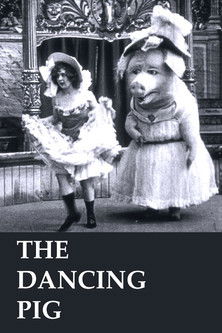
Early French film director who was active during the years of cinema, specifically in 1907. His work represents the experimental and often bizarre nature of early French trick films, a genre that flourished at the Pathé and Gaumont studios. Mercury's most famous and only known surviving work is 'Le Cochon Danseur' (The Dancing Pig), a surreal short film that exemplifies the magical realism and visual trickery popular at the time. The film features a bizarre, anthropomorphic pig in a tutu performing a dance for a young woman, showcasing the era's fascination with transformation and spectacle. His career, though brief and largely undocumented, is significant for its contribution to the early development of cinematic special effects and narrative fantasy. Mercury worked during the same period as directors like Georges Méliès, though he never achieved the same level of fame or prolific output. His single known film has since become a cult classic, celebrated for its unsettling imagery and its place in the history of cinematic oddities.
The Craft
Behind the Camera
Millard Mercury's directing style was characteristic of the early French trick film genre, emphasizing visual spectacle, surrealism, and cinematic magic over narrative depth. His work relied heavily on special effects, costumes, and bizarre scenarios to captivate audiences. The style was fantastical and dreamlike, often featuring anthropomorphic characters and impossible situations, reflecting the limitless possibilities perceived in the new medium of film.
Milestones
- Directed the surreal trick film 'Le Cochon Danseur' (The Dancing Pig) in 1907
- Contributed to the early French trick film genre alongside pioneers like Georges Méliès
- Created a work that has endured as a significant piece of early cinema history
Best Known For
Must-See Films
Working Relationships
Studios
Why They Matter
Impact on Culture
Millard Mercury's cultural impact is almost entirely concentrated in his single surviving film, 'The Dancing Pig'. The movie has transcended its obscure origins to become a viral internet sensation and a staple of discussions about early cinema's strangest moments. It serves as a prime example of the surreal and experimental nature of trick films, demonstrating how early filmmakers pushed the boundaries of visual storytelling. The film's unsettling imagery and bizarre premise have made it a subject of academic study and a cult favorite, highlighting the enduring fascination with the weird and wonderful corners of film history.
Lasting Legacy
Millard Mercury's legacy is that of a cinematic enigma, a director known for a single, unforgettable work that epitomizes the creative chaos of early film. While his name is not widely recognized, his film 'The Dancing Pig' has secured him a permanent, if peculiar, place in film history. His legacy shows the forgotten pioneers of cinema whose individual contributions, however small, helped shape the language of film. Mercury represents the countless anonymous artists of the silent era whose experimental spirit laid the groundwork for future cinematic innovations.
Who They Inspired
Direct influence from Millard Mercury on other filmmakers is difficult to trace due to the obscurity of his career and the limited scope of his work. However, his contribution to the trick film genre places him within a movement that heavily influenced subsequent generations of filmmakers interested in surrealism and visual effects. The spirit of his work can be seen in later avant-garde and surrealist cinema, as well as in the fantasy and horror genres that frequently employ bizarre and unsettling imagery. His film stands as a historical artifact that continues to inspire modern creators with its bold, unapologetic weirdness.
Off Screen
Very little is known about the personal life of Millard Mercury, as his career was extremely brief and occurred during the earliest, least documented days of cinema. He appears to have been a one-film director, with no surviving records detailing his background, family, or life outside of his single cinematic contribution. The lack of information about him is not uncommon for figures of this era, many of whom remain anonymous or are known only by a single surviving work.
Did You Know?
- 'The Dancing Pig' is Millard Mercury's only known surviving film
- The film was produced by Pathé Frères,
- The pig costume in the film has become infamous online for its disturbing appearance, particularly its large, human-like eyes
- The film is only 3 minutes long but has left a lasting impression over a century later
- It is a prime example of the 'trick film' genre popularized by Georges Méliès
- The film's original French title is 'Le Cochon Danseur'
- For many years, the director of this film was unknown before being attributed to Mercury
- The film features one of the earliest examples of an anthropomorphic animal character in cinema
- Its unsettling nature has led to it being featured in numerous 'creepiest old films' lists and videos online
Frequently Asked Questions
Who was Millard Mercury?
Early French on YTB.my. He was part of the generation of filmmakers who experimented with visual tricks and fantasy narratives in the earliest days of cinema.
What film is Millard Mercury best known for?
Mercury is solely known for his 1907 film 'Le Cochon Danseur', or 'The Dancing Pig'. This three-minute short features a disturbing, anthropomorphic pig that performs a dance, and it has since become a cult classic celebrated for its weirdness and place in early film history.
When was Millard Mercury born and when did he die?
Unfortunately, the birth and death dates of Millard Mercury are unknown. He is a mysterious figure from the silent era, with historical records only confirming his activity as a director in the year 1907.
What awards did Millard Mercury win?
Millard Mercury did not receive any known awards or nominations for his work. He was active in a period before the establishment of major film awards, and his brief, obscure career did not garner formal recognition at the time.
What was Millard Mercury's directing style?
Mercury's directing style was characteristic of the early French 'trick film' genre, focusing on surrealism, visual spectacle, and magical effects. His work prioritized bizarre scenarios and fantastical imagery over complex narrative, much like the films of his more famous contemporary, Georges Méliès.