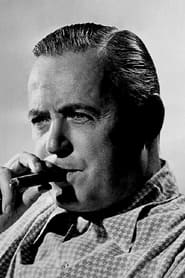
Henry Hathaway
Director
Born: December 13, 1898 in Sacramento, California, USA Died: February 11, 1985 Active: 1932-1974 Birth Name: Henri Léopold de Fiennes
Films
1 film
About Henry Hathaway
Henry Hathaway (born Henri Léopold de Fiennes) was an American film director whose over four decades of Hollywood's Golden Age. Beginning as an assistant to directors like Victor Fleming and Josef von Sternberg, Hathaway made his directorial debut in the early 1930s and quickly established himself as a versatile filmmaker capable of excelling in multiple genres. He gained early acclaim with adventure films like 'The Lives of a Bengal Lancer' (1935) before becoming a prominent director of Westerns, film noir, and dramatic features throughout the 1940s and 1950s. Hathaway was known for his technical proficiency, efficient shooting methods, and ability to work with major stars including John Wayne, Marilyn Monroe, and Gary Cooper. His career culminated with the acclaimed Western 'True Grit' (1969), which earned John Wayne an Academy Award for Best Actor. Hathaway's final years continued to demonstrate his mastery of the craft, solidifying his reputation as one of Hollywood's most reliable and skilled directors of the studio era.
The Craft
Behind the Camera
Henry Hathaway was known for his technical proficiency, efficient shooting style, and remarkable versatility across genres. He was particularly skilled at staging action sequences and was one of the early pioneers of location shooting, bringing authenticity to his Westerns and adventure films. Hathaway's directing approach was straightforward and no-nonsense, focusing on clear storytelling and visual clarity. He was renowned for his ability to complete films on time and under budget, making him a favorite of studio executives. His semi-documentary style in films like 'The House on 92nd Street' influenced the film noir genre, while his Westerns combined traditional genre elements with realistic action and strong character development.
Milestones
- Directed the Oscar-winning performance of John Wayne in 'True Grit' (1969)
- Pioneered semi-documentary techniques in film noir with 'The House on 92nd Street' (1945)
- Established himself as a leading Western director with films like 'Rawhide' (1951)
- Created memorable film noir including 'Kiss of Death' (1947) and 'Niagara' (1953)
- Worked with virtually every major star of Hollywood's Golden Age
- Received an Honorary Academy Award in 1964 for his contributions to cinema
Best Known For
Must-See Films
Accolades
Won
- Honorary Academy Award (1964) for his contributions to motion pictures
- Directors Guild of America Lifetime Achievement Award (1971)
- Western Heritage Awards for 'True Grit' (1969) and 'The Sons of Katie Elder' (1965)
Nominated
- Academy Award nomination for Best Director for 'The Lives of a Bengal Lancer' (1935)
- Directors Guild of America Award for Outstanding Directorial Achievement for 'True Grit' (1969)
- Golden Globe nomination for Best Director for 'True Grit' (1969)
Special Recognition
- Hollywood Walk of Fame star (located at 6608 Hollywood Boulevard)
- John Wayne's Oscar-winning performance in 'True Grit' (1969)
- Inducted into the Western Hall of Fame
- Retrospectives at major film festivals including the Museum of Modern Art
Working Relationships
Worked Often With
Studios
Why They Matter
Impact on Culture
Henry Hathaway significantly shaped Hollywood cinema through his innovative techniques and genre-defining films. His semi-documentary approach in 'The House on 92nd Street' revolutionized film noir, introducing a gritty realism that influenced countless directors. Hathaway's Westerns, particularly his later collaborations with John Wayne, helped define the modern Western genre, balancing traditional elements with more complex characterizations and realistic action. His ability to work across genres demonstrated the versatility possible within the studio system, while his technical innovations in location shooting and action sequences set new standards for Hollywood production. Hathaway's films often reflected American values and mythology, contributing to the cultural narrative of mid-20th century America.
Lasting Legacy
Henry Hathaway's legacy endures through his vast filmography of over 60 movies, many of which remain classics of their respective genres. His influence on the Western genre is particularly significant, with films like 'True Grit' and 'The Sons of Katie Elder' continuing to be studied and admired. Hathaway's efficient, professional approach to filmmaking served as a model for studio directors, demonstrating how artistic vision could coexist with commercial success. His work with major stars helped define their screen personas, particularly John Wayne's Oscar-winning turn in 'True Grit'. Today, Hathaway is remembered as a consummate craftsman who brought technical excellence and clear storytelling to every project, leaving an indelible mark on Hollywood's Golden Age.
Who They Inspired
Henry Hathaway influenced generations of filmmakers through his technical innovations and genre expertise. His semi-documentary techniques in film noir paved the way for directors like Jules Dassin and Elia Kazan. Hathaway's Westerns influenced directors such as John Ford and later Clint Eastwood, particularly in his approach to realistic action sequences and location shooting. His efficient directing methods demonstrated how to maintain artistic integrity while working within studio constraints, a lesson that influenced directors like Don Siegel and Robert Aldrich. Hathaway's ability to successfully direct films across multiple genres showed filmmakers the value of versatility, while his collaborations with stars provided a blueprint for director-actor partnerships. His legacy continues in the work of contemporary directors who blend technical proficiency with strong storytelling.
Off Screen
Henry Hathaway came from a family with Belgian royal ancestry. He married actress and screenwriter Marjorie Bruce in 1932, and they had one child together, a son named Henri. The marriage ended in divorce in 1942. In 1945, he married Anne Cunningham, with whom he remained until his death. Hathaway was known as a private person who rarely discussed his personal life in interviews. Despite his royal lineage, he embraced his American identity and became a quintessential Hollywood director. He was an avid outdoorsman and skilled horseman, which contributed to his success with Western films.
Education
Attended public schools in Sacramento, California. Did not pursue formal film education, learning instead through hands-on experience in the film industry starting as an assistant director.
Family
- Marjorie Bruce (1932-1942)
- Anne Cunningham (1945-1985)
Did You Know?
- Was of Belgian royal descent, a distant relative of King Leopold I of Belgium
- His birth name was Henri Léopold de Fiennes, but he Americanized it for his film career
- Worked as an assistant director on the silent epic 'Ben-Hur: A Tale of the Christ' (1925)
- Served in the Army Air Corps during World War II, making training films
- Fired actor Robert Mitchum from 'Blood on the Moon' (1948) for showing up late to set
- Directed both Marilyn Monroe ('Niagara') and Audrey Hepburn ('Love in the Afternoon') in career-defining roles
- Was an accomplished horseman and performed many of his own stunts in Western locations
- His film 'Kiss of Death' (1947) introduced the famous 'laughing killer' character played by Tommy Udo
- Received his honorary Oscar the same year John Wayne won Best Actor for 'True Grit'
- His final film 'Shoot Out' (1971) was also Gregory Peck's final Western
In Their Own Words
I don't make art, I make movies that make money.
The secret to directing is knowing what you want and getting it, no matter what.
I'm not a poet, I'm a craftsman. I know how to build a picture.
If you want to be a director, learn every job on the set first.
The best directors are the ones who know when to get out of the way of a good performance.
Frequently Asked Questions
Who was Henry Hathaway?
Prolific American on YTB.my. He was known for his versatility across genres, particularly Westerns, film noir, and adventure films, working with virtually every major star of his era.
What films is Henry Hathaway best known for?
Titles linked here include The Lives of a Bengal Lancer (1935), True Grit (1969).
When was Henry Hathaway born and when did he die?
Born December 13, 1898; died February 11, 1985.
What awards did Henry Hathaway win?
Hathaway received an Honorary Academy Award in 1964 for his contributions to motion pictures. He was also nominated for Best Director for 'The Lives of a Bengal Lancer' (1935) and received the Directors Guild of America Lifetime Achievement Award in 1971.
What was Henry Hathaway's directing style?
Hathaway was known for his technical proficiency, efficient shooting methods, and straightforward, no-nonsense approach. He excelled at action sequences and was a pioneer of semi-documentary techniques in film noir. His style emphasized clear storytelling, visual clarity, and bringing authenticity through location shooting, particularly in his Westerns.
Did Henry Hathaway work with John Wayne?
Yes, Hathaway directed John Wayne in several films, most notably 'True Grit' (1969), for which Wayne won his only Academy Award for Best Actor. They also collaborated on 'North to Alaska' (1960), 'The Sons of Katie Elder' (1965), and 'Big Jake' (1971).
What was Henry Hathaway's early career like?
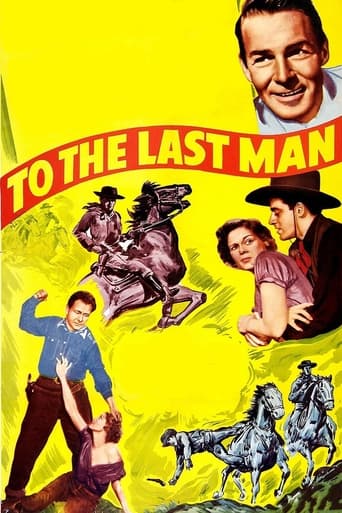
Hathaway began his career as an assistant director working with established filmmakers like Victor Fleming and Josef von Sternberg. He worked on the silent epic 'Ben-Hur' (1925) before making his directorial debut with 'To the Last Man' (1933), quickly establishing himself as a capable director of various genres.