Jan Peerce
Actor
Born: June 3, 1904 in New York City, New York, USA Died: December 15, 1984 Active: 1932-1982 Birth Name: Jacob Pincus Perelmuth
Films
1 film
About Jan Peerce
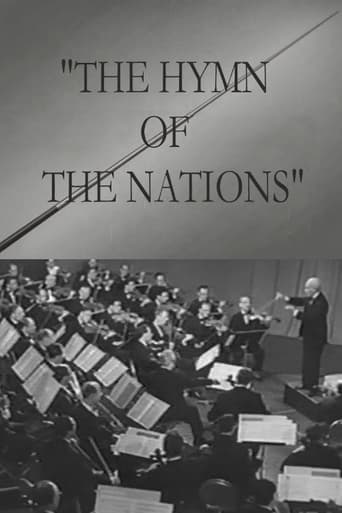
Preeminent American operatic tenor: over five decades, bridging the worlds of grand opera, popular music, and early cinema. Born Jacob Pincus Perelmuth to Russian-Jewish immigrants in Manhattan, he initially pursued a career as a violinist and dance band leader under the name 'Pinky Pearl' before his exceptional lyric tenor voice was discovered. His breakthrough came in 1932 when he was hired by impresario Samuel 'Roxy' Rothafel for Radio City Music Hall, where he became a household name through national radio broadcasts. Peerce's career reached its zenith through a partnership with conductor Arturo Toscanini, who considered Peerce his favorite tenor and featured him in numerous landmark NBC Symphony Orchestra broadcasts and recordings. He made his Metropolitan Opera debut in 1941 as Alfredo in 'La traviata' and remained a principal artist there for 27 seasons, known for his impeccable technique and reliable professionalism. Beyond the opera house, he achieved massive commercial success with his recording of 'Bluebird of Happiness' and made significant film appearances, most notably in the Oscar-nominated wartime documentary 'Hymn of the Nations' (1944).
The Craft
On Screen
Peerce's screen and stage presence was characterized by a sincere, 'everyman' quality that contrasted with the often aloof persona of European opera stars. In his film appearances, he projected a natural warmth and intense musicality, often performing with a directness that made high art accessible to general audiences. His acting was deeply rooted in his musical phrasing, using his voice as his primary tool for emotional expression.
Milestones
- Tenor soloist at Radio City Music Hall (1932-1937)
- Metropolitan Opera debut as Alfredo in La traviata (1941)
- Star of the OWI documentary Hymn of the Nations (1944)
- First American to sing at the Bolshoi Opera in Moscow post-WWII (1956)
- Broadway debut as Tevye in Fiddler on the Roof (1971)
- Recorded the million-selling hit 'Bluebird of Happiness'
Best Known For
Iconic Roles
Must-See Films
Accolades
Won
- Grammy Hall of Fame (Inducted for various recordings)
- Handel Medallion (1980)
- Honorary Doctorate from New York University
- Honorary Doctorate from Yeshiva University
Nominated
- Academy Award for Best Documentary Short (Hymn of the Nations, 1944 - as featured performer)
Special Recognition
- Star on the Hollywood Walk of Fame (1751 Vine Street)
- Cultural Ambassador to the Soviet Union (1956)
- The Jan Peerce Papers archived at the New York Public Library
Working Relationships
Worked Often With
Studios
Why They Matter
Impact on Culture
Pivotal figure in democratizing opera for the American public. By moving seamlessly between the Metropolitan Opera, Radio City Music Hall, and Hollywood films, he helped strip away the elitism often associated with classical music. His performance in 'Hymn of the Nations' served as a powerful piece of anti-fascist propaganda during World War II, symbolizing the cultural unity of the Allied forces through the music of Verdi.
Lasting Legacy
His legacy is defined by his status as 'America's Tenor,' a title earned through his reliability, vocal longevity, and refusal to specialize solely in high-brow art. He remains. His transition to Broadway late in life as Tevye in 'Fiddler on the Roof' cemented his reputation as a versatile performer who could connect with audiences in any medium.
Who They Inspired
Peerce influenced a generation of American singers to pursue operatic careers without abandoning their cultural or popular roots. His success proved that an American-born and trained singer could achieve international stardom on par with European contemporaries. His son, Larry Peerce, became a significant film director, carrying the family's artistic influence into New Hollywood cinema.
Off Screen
Peerce was born into a religious Jewish family on the Lower East Side. He was the brother-in-law of fellow celebrated tenor Richard Tucker, who married Peerce's sister Sara. Peerce was known for his lifelong commitment to his faith, famously maintaining a kosher diet even while touring internationally and serving as a guest cantor at various synagogues throughout his life.
Education
DeWitt Clinton High School; Columbia University (Pre-medical studies, did not graduate)
Family
- Alice Kalmanovitz (1930-1984; his death)
Did You Know?
- He was originally given the stage name 'John Pierce' by Roxy Rothafel, but they compromised on 'Jan Peerce' to sound more 'continental' while retaining his identity.
- Arturo Toscanini once remarked that Peerce was the only tenor he ever worked with who never gave him a headache.
- He was a trained violinist and often performed the violin in his early dance band days as 'Pinky Pearl.'
- Peerce was the first American to sing at the Bolshoi Theatre in Moscow after World War II as part of a cultural exchange program.
- His recording of 'Bluebird of Happiness' became a massive hit and was his most requested song, despite being a popular tune rather than an opera aria.
- He appeared in his son Larry Peerce's film 'Goodbye, Columbus' (1969) in a cameo role.
- He suffered a stroke in 1982 which led to his retirement from public performance.
In Their Own Words
I'm a singer of songs, not just an opera singer. Music is music.
Toscanini taught me that the music is the master, and we are merely the servants.
There are only two kinds of music: good and bad.
Frequently Asked Questions
Who was Jan Peerce?
Celebrated American operatic tenor and with credits in this catalog. He was a staple at the Metropolitan Opera for nearly three decades and a favorite collaborator of conductor Arturo Toscanini.
What films is Jan Peerce best known for?
Titles linked here include Hymn of the Nations (1944), Something in the Wind (1947).
When was Jan Peerce born and when did he die?
Born June 3, 1904; died December 15, 1984.
What awards did Jan Peerce win?
While he didn't win an Oscar, his film 'Hymn of the Nations' was nominated for Best Documentary Short. He received the Handel Medallion, several honorary doctorates, and a star on the Hollywood Walk of Fame.
What was Jan Peerce's acting style?
Peerce was known for a natural, unpretentious acting style that emphasized sincerity and emotional directness. He avoided the 'divo' stereotypes of the era, projecting a warm and accessible personality on screen.
Was Jan Peerce related to anyone famous?
Yes, he was the father of film director Larry Peerce and the brother-in-law of the famous tenor Richard Tucker.