
Abel Ferrara
Actor & Director
Born: July 19, 1951 in New York City, New York, USA Active: 1979-present
Films
1 film
About Abel Ferrara
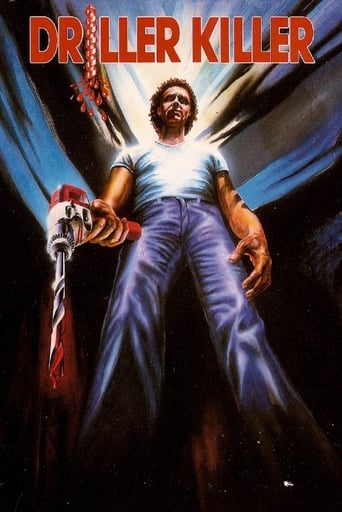
Abel Ferrara is an American filmmaker known for his gritty, controversial, and often transgressive cinema that emerged from the New York underground scene of the late 1970s. Born in 1951, Ferrara began his career making no-budget exploitation films, with 'The Driller Killer' (1979) gaining notoriety as one of the original 'video nasties' in the UK. He transitioned to more mainstream recognition with cult classics like 'Ms. 45' (1981) before achieving critical acclaim with 'Bad Lieutenant' (1992), starring Harvey Keitel. Throughout his career, Ferrara has explored themes of redemption, spirituality, and moral decay through a distinctive lens that blends exploitation aesthetics with arthouse sensibilities. His filmography includes controversial works like 'The Addiction' (1995), 'The Funeral' (1996), and more recent international productions such as 'Pasolini' (2014) and 'Siberia' (2020). Despite never achieving mainstream commercial success, Ferrara has maintained a devoted cult following and is American cinema's most uncompromising auteurs.
The Craft
On Screen
Ferrara's acting appearances are typically brief and often in his own films, characterized by a raw, unpolished approach that matches his directorial aesthetic
Behind the Camera
Known for his gritty, confrontational style that blends exploitation cinema with arthouse sensibilities, often exploring themes of Catholic guilt, redemption, and urban decay through handheld camerawork and improvisational techniques
Milestones
- Directed 'The Driller Killer' (1979)
- Directed cult classic 'Ms. 45' (1981)
- Critical breakthrough with 'Bad Lieutenant' (1992)
- International recognition at Cannes Film Festival
- Transition to European film production
Best Known For
Iconic Roles
Must-See Films
Accolades
Won
- Best Director - Venice Film Festival for '4:44 Last Day on Earth' (2011)
- Career Achievement Award - Locarno Film Festival (2011)
- Best Director - Sitges Film Festival for 'The Addiction' (1995)
Nominated
- Palme d'Or - Cannes Film Festival for 'The Addiction' (1995)
- Golden Lion - Venice Film Festival for 'Mary' (2005)
- Golden Lion - Venice Film Festival for '4:44 Last Day on Earth' (2011)
Special Recognition
- Retrospective at Museum of Modern Art (2011)
- Tribute at Film Society of Lincoln Center (2008)
- Career Achievement Award - Philadelphia Film Festival (2017)
Working Relationships
Worked Often With
Studios
Why They Matter
Impact on Culture
Abel Ferrara emerged as a distinctive voice in American independent cinema during the 1980s and 1990s, representing the gritty, uncompromising New York filmmaking tradition. His work challenged mainstream Hollywood conventions by blending exploitation cinema with serious artistic and spiritual concerns, paving the way for later filmmakers who would similarly cross genre boundaries. 'Bad Lieutenant' in particular became a touchstone for character-driven crime dramas, while his exploration of urban decay and moral ambiguity captured the zeitgeist of New York City during its pre-gentrification era. Ferrara's films have been studied in academic contexts for their religious symbolism and their unique approach to American genre cinema.
Lasting Legacy
Ferrara's legacy lies in his unwavering commitment to personal filmmaking outside the studio system, maintaining artistic integrity while working with increasingly constrained budgets. His influence can be seen in the work of directors who blend genre elements with arthouse sensibilities, including Nicolas Winding Refn, Harmony Korine, and Gaspar Noé. The cult status of his early films has ensured their continued relevance in midnight movie circuits and academic film studies, while his later European productions have demonstrated his adaptability as an international filmmaker. Ferrara represents the quintessential American auteur who refused to compromise his vision, regardless of commercial considerations.
Who They Inspired
Ferrara's influence extends beyond direct stylistic imitation to his example of uncompromising artistic independence. His blend of exploitation aesthetics with serious thematic content influenced the independent film movement of the 1990s and helped legitimize genre filmmaking as a vehicle for artistic expression. Directors like Quentin Tarantino and Robert Rodriguez have cited his work as inspiration for their own genre-bending approaches. His exploration of Catholic themes and spiritual redemption in gritty urban contexts has influenced filmmakers working at the intersection of genre and arthouse cinema. Ferrara's career trajectory from underground exploitation to international festival recognition has provided a model for independent filmmakers seeking to maintain artistic control while achieving critical acclaim.
Off Screen
Ferrara has been notoriously private about his personal life, though his films often reflect his Catholic upbringing and struggles with addiction. He has lived in various locations including New York, Los Angeles, and Rome, with his later life and career increasingly focused on European productions. His personal experiences with substance abuse and spiritual seeking have heavily influenced his filmography's thematic concerns.
Education
Attended SUNY Purchase, studied film before dropping out to pursue filmmaking independently
Family
- Loredana Ferrara (married 1980s-present)
Did You Know?
- 'The Driller Killer' was banned in the UK as a 'video nasty' and remained unavailable until 1999
- He originally wanted to be a painter before turning to filmmaking
- Ferrara has been a practicing Buddhist since the early 2000s
- He often incorporates real drug use and improvisation in his films
- Christopher Walken's performance in 'King of New York' was largely improvised
- Ferrara was roommates with director Jim Jarmusch in the 1970s
- He has directed music videos for artists including The Stooges and Bad Brains
- His films often feature characters named after Catholic saints
- Ferrara has been banned from working with certain studios due to his uncompromising nature
- He maintains a residence in Rome and frequently works with Italian producers
In Their Own Words
I'm not interested in making movies for people who don't want to see them
Every film is a prayer, whether you know it or not
The only thing that matters is the work, everything else is bullshit
I make movies about what's happening inside people's heads
Cinema is the last place where you can tell the truth and get away with it
Frequently Asked Questions
Who is Abel Ferrara?
Abel Ferrara is an American independent filmmaker known for his gritty, controversial films that blend exploitation cinema with arthouse sensibilities. He emerged from the New York underground scene in the late 1970s and has directed cult classics like 'The Driller Killer,' 'Ms. 45,' and 'Bad Lieutenant.'
What films is Abel Ferrara best known for?
Ferrara is best known for 'The Driller Killer' (1979), 'Ms. 45' (1981), 'King of New York' (1990), 'Bad Lieutenant' (1992), 'The Addiction' (1995), and 'The Funeral' (1996). These films exemplify his distinctive style combining urban grit with spiritual themes.
When was Abel Ferrara born?
Abel Ferrara was born on July 19, 1951, in New York City, New York, USA. He is still alive and continues to make films, with his career spanning over four decades.
What awards has Abel Ferrara won?
Ferrara won Best Director at the Venice Film Festival for '4:44 Last Day on Earth' (2011), received a Career Achievement Award from Locarno Film Festival (2011), and won Best Director at Sitges for 'The Addiction' (1995). He has also received multiple nominations at major festivals including Cannes and Venice.
What is Abel Ferrara's directing style?
Ferrara's directing style is characterized by gritty realism, handheld camerawork, improvisational techniques, and a blend of exploitation aesthetics with serious artistic concerns. His films often explore themes of Catholic guilt, redemption, addiction, and urban decay through confrontational and transgressive narratives.