Films
1 film
About Daniel Smith
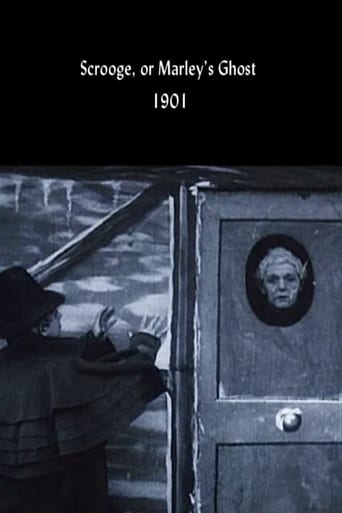
Actor of the early cinema era, best known for his portrayal of Ebenezer Scrooge in the 1901 British film 'Scrooge; or Marley's Ghost.' This historic production, directed by Walter R. Booth for Robert W. Paul's production company, represents one of the very first film adaptations of Charles Dickens' beloved Christmas tale. Smith was likely a stage actor who transitioned to the new medium of film during its infancy, a time when cinema was still finding its artistic voice. His performance as the miserly Scrooge helped establish the visual language for portraying complex character transformations on screen. The film was innovative for its time, using special effects to create the ghostly apparitions that would become central to future adaptations. Smith's work in this production placed him among the very first actors to bring classic literary characters to life in the motion picture format. Unfortunately, like many actors from this primitive era of filmmaking, detailed records of his broader career and personal life have been lost to time.
The Craft
On Screen
Likely employed theatrical, exaggerated gestures typical of stage actors transitioning to silent film, with broad facial expressions and dramatic body language to convey emotion without dialogue
Milestones
- Starred as Ebenezer Scrooge in the first film adaptation of 'A Christmas Carol' (1901)
- work in early British cinema
- One of the first actors to portray a classic literary character on film
Best Known For
Iconic Roles
Must-See Films
Working Relationships
Worked Often With
Studios
Why They Matter
Impact on Culture
Daniel Smith's portrayal of Ebenezer Scrooge in 1901 represents a significant milestone in cinema history as one of the first times a classic literary character was brought to life on screen. His performance helped establish the visual template for how complex character arcs could be conveyed in the silent medium, influencing countless subsequent adaptations of Dickens' work. The film itself demonstrated early cinema's potential for adapting beloved literature, paving the way for the countless literary adaptations that would follow throughout film history.
Lasting Legacy
Though largely forgotten by mainstream audiences, Daniel Smith holds an important place in film history as one of the very first actors to portray a classic literary character on screen. His work in 'Scrooge; or Marley's Ghost' represents a crucial link between Victorian stage performance and the emerging art of cinema. The 1901 film in which he starred is now considered a landmark of early British cinema and is studied by film historians as an example of primitive narrative filmmaking and early special effects techniques.
Who They Inspired
Smith's portrayal of Scrooge influenced how the character would be visually interpreted in film for decades to come. His performance demonstrated that complex emotional transformations could be effectively conveyed through visual means alone, a principle that would become fundamental to silent cinema. While direct documentation of his influence on other actors is scarce, his work represents the kind of performance that helped establish acting conventions for the new medium of film.
Off Screen
Very little is documented about Daniel Smith's personal life, which was typical for actors of the very early film period. Like many performers of his era, he was likely primarily a stage actor who made occasional forays into the new medium of motion pictures. The lack of detailed records suggests he may not have achieved the level of fame that would have warranted extensive biographical documentation.
Did You Know?
- The 1901 film 'Scrooge; or Marley's Ghost' was only about 3-4 minutes long
- This was the very first film adaptation of Charles Dickens' 'A Christmas Carol'
- The film used innovative special effects for its time, including superimposition for the ghost scenes
- The production was made by Robert W. Paul, one of the pioneers of British cinema
- The film was shot at Paul's studio in Muswell Hill, London
- Only fragments of the original film are believed to survive today
- Smith was likely in his 50s when he played Scrooge, appropriate for the character's age
- The film was released during the Christmas season of 1901
- This represents one of the earliest examples of a character-driven narrative film
- The production predated the more famous 1908 American version by seven years
Frequently Asked Questions
Who was Daniel Smith?
British with credits in this catalog.'
What films is Daniel Smith best known for?
Titles linked here include Scrooge; or Marley's Ghost (1901).
When was Daniel Smith born and when did he die?
Born c. 1850; died death date not listed.
What awards did Daniel Smith win?
Daniel Smith did not receive any formal awards or recognition, as the film industry and its award systems had not yet been established in 1901. His historical significance is recognized retrospectively by film historians.
What was Daniel Smith's acting style?
Smith likely employed the theatrical, exaggerated acting style common to stage performers of the Victorian era, using broad gestures and dramatic facial expressions to convey emotion in the silent medium. This style was typical of actors transitioning from stage to early film.