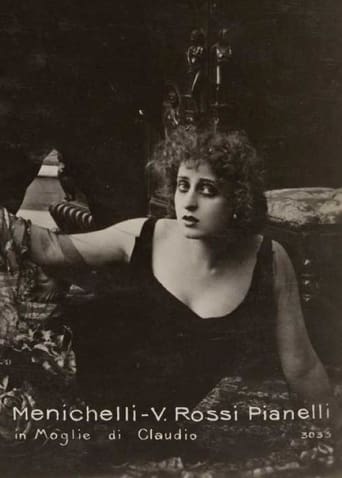

Films
1 film
About Gero Zambuto
Italian film director active during the silent era, primarily known for his work in 1918. Very limited documentation exists about his career, suggesting he may have been a minor figure in early Italian cinema or possibly had a very brief directorial career. His only credited work appears to be 'La Moglie di Claudio' (Claudio's Wife) from 1918, which places him within the golden age of Italian silent film production. The scarcity of information about Zambuto is not uncommon for directors from this period, as many records from early Italian cinema have been lost or were never comprehensively documented. His work, like that of many contemporaries, represents the efforts of filmmakers who helped establish the foundations of Italian cinema during its formative years.
The Craft
Behind the Camera
Silent era Italian dramatic style (based on period context)
Milestones
- Directed 'La Moglie di Claudio' (1918)
Best Known For
Must-See Films
Why They Matter
Impact on Culture
As a director from the silent era, Gero Zambuto contributed to the early development of Italian cinema during a period when the country was one of the world's leading film producers. While his individual impact may be difficult to assess due to limited surviving documentation, directors like him were part of the foundational generation that established Italian cinematic traditions and storytelling techniques. The silent era of Italian cinema (1910s-1920s) was crucial for developing the visual language and narrative structures that would influence later generations of Italian filmmakers, including the neorealist masters of the 1940s.
Lasting Legacy
Gero Zambuto's legacy is primarily preserved through his contribution to the corpus of early Italian silent films. While he may not be remembered alongside the giants of Italian cinema like De Sica, Fellini, or Antonioni, his work represents the collective efforts of the generation that established Italy's film industry. The fact that his name and at least one of his works have survived to be documented speaks to the ongoing scholarly interest in preserving the history of early cinema, even for its lesser-known figures.
Who They Inspired
Due to the limited documentation of his career and work, it's difficult to trace Zambuto's direct influence on subsequent generations of filmmakers. However, like all directors of his era, he would have contributed to the evolving visual language and storytelling techniques of cinema that later filmmakers would build upon and refine.
Off Screen
Very little information is available about Gero Zambuto's personal life, which is common for many figures from early Italian cinema whose records have been lost or were never thoroughly documented.
Did You Know?
- Gero Zambuto appears to have had an extremely brief directorial career, with activity only documented in 1918
- His only known film 'La Moglie di Claudio' translates to 'Claudio's Wife' in English
- The 1910s was considered the golden age of Italian silent cinema before the industry's decline in the 1920s
- Many records from early Italian cinema have been lost, making comprehensive documentation of figures like Zambuto challenging
- Italian cinema of this period was known for its historical epics and dramatic adaptations of literary works
Frequently Asked Questions
Who was Gero Zambuto?
Italian on YTB.my. Very limited documentation exists about his career, suggesting he was likely a minor figure in early Italian cinema with a brief directorial career.
What films is Gero Zambuto best known for?
Titles linked here include La Moglie di Claudio (1918).
When was Gero Zambuto born and when did he die?
Unfortunately, birth and death dates for Gero Zambuto are not documented in available film archives, which is common for many lesser-known figures from early cinema whose personal records have been lost over time.
What awards did Gero Zambuto win?
There are no documented awards or honors for Gero Zambuto, which is typical for directors from the silent era, particularly those with limited filmographies and minor industry profiles.
What was Gero Zambuto's directing style?
While specific details about Zambuto's directing style are not documented, as an Italian director from 1918, he would have worked within the conventions of silent era cinema, emphasizing visual storytelling, dramatic gestures, and the emerging techniques of early narrative filmmaking.