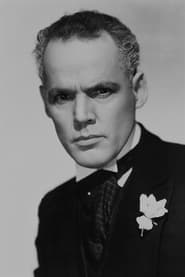
Henry Hull
Actor
Born: October 3, 1890 in Louisville, Kentucky, USA Died: March 8, 1947 Active: 1917-1946 Birth Name: Henry Watterson Hull
Films
1 film
About Henry Hull
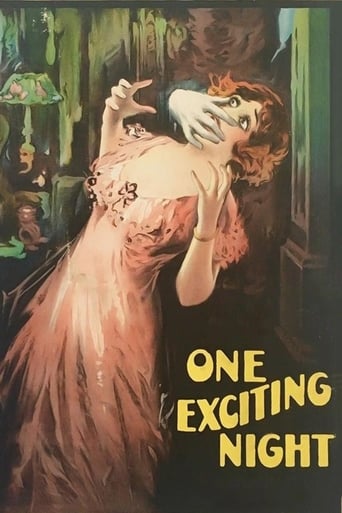
American character actor: nearly three decades, from the silent era through the golden age of Hollywood. Born in Louisville, Kentucky, he began his acting career on stage before transitioning to films in the 1910s. Hull gained early recognition for his role in D.W. Griffith's 'One Exciting Night' (1922), which helped establish him as a reliable character actor in the burgeoning film industry. He successfully made the transition from silent films to talkies, leveraging his distinctive deep voice and imposing presence. Throughout the 1930s and 1940s, Hull became known for playing authoritative figures, villains, and complex supporting characters in numerous films. His most role came as Dr. Wilfred Glendon in 'Werewolf of London' (1935), which established him as an early horror film star. Hull continued working steadily through the 1940s, appearing in notable films like Alfred Hitchcock's 'Lifeboat' (1944) before his death in 1947 at the age of 56.
The Craft
On Screen
Henry Hull was known for his distinctive deep, resonant voice and imposing screen presence. He specialized in playing authoritative figures, intellectuals, and complex antagonists. His acting style was characterized by a naturalistic approach that bridged the gap between theatrical and cinematic performance. Hull had a particular talent for conveying internal conflict and psychological depth through subtle facial expressions and controlled vocal delivery. He often brought a sense of gravitas and sophistication to his roles, whether playing villains, doctors, or authority figures.
Milestones
- Stage debut on Broadway in 1912
- Film debut in silent films (1917)
- Breakthrough role in D.W. Griffith's 'One Exciting Night' (1922)
- Iconic performance in 'Werewolf of London' (1935)
- Memorable role in 'The Great Waltz' (1938)
- Critical acclaim in 'Lifeboat' (1944)
- Final film appearance in 'The House on 92nd Street' (1945)
Best Known For
Iconic Roles
Must-See Films
Accolades
Special Recognition
- Hollywood Walk of Fame star (Motion Pictures)
Working Relationships
Worked Often With
Studios
Why They Matter
Impact on Culture
Henry Hull made significant contributions to early horror cinema with his groundbreaking performance in 'Werewolf of London', which helped establish many tropes of the werewolf genre that would influence later films. His ability to convey both the human and monstrous aspects of his character set a standard for horror performances. Hull's work in film noir and suspense films during the 1940s contributed to the development of the genre's aesthetic and narrative conventions. His transition from silent films to talkies demonstrated how theatrical training could be adapted to the new medium of sound cinema.
Lasting Legacy
Henry Hull's legacy endures through his influential work in early horror cinema and his contributions to the film noir genre. His performance as the werewolf in 'Werewolf of London' remains a touchstone for horror film historians and continues to be referenced in discussions of classic monster movies. Hull's career represents the journey of many character actors of his era - from stage to silent films, through the transition to sound, and into the golden age of Hollywood. His ability to adapt to changing cinematic technologies and genres while maintaining his distinctive acting style serves as an example of professional longevity in the film industry.
Who They Inspired
Henry Hull influenced subsequent generations of character actors, particularly those working in horror and suspense genres. His naturalistic approach to playing supernatural creatures helped move horror performances away from pure theatricality toward more psychologically grounded portrayals. Many later actors who played werewolves and other monsters drew inspiration from Hull's ability to convey the tragedy and humanity within the monstrous. His work in film noir also influenced the archetype of the sophisticated, morally ambiguous antagonist that became common in post-war cinema.
Off Screen
Henry Hull was married three times during his life. His first marriage was to actress Rita Langdon in 1914, which ended in divorce. He later married actress Julie Haydon in 1930, and they remained together until his death. Hull was known for his intellectual pursuits and was an avid reader and writer. He maintained homes in both Hollywood and New York, reflecting his continued connection to both stage and screen. Hull was described by colleagues as a serious, dedicated actor who took his craft very seriously.
Education
Attended local schools in Louisville, Kentucky; later studied drama in New York City
Family
- Rita Langdon (1914-1928)
- Julie Haydon (1930-1947)
Did You Know?
- Was named after his father's friend, journalist Henry Watterson
- Began his career as a stage actor on Broadway before transitioning to films
- His performance in 'Werewolf of London' featured extensive makeup that took hours to apply
- Was considered for the role of Dracula in the 1931 Universal film before Bela Lugosi was cast
- Served in the Army during World War I
- Was a published poet and playwright in addition to his acting career
- His distinctive voice made him a popular choice for radio drama performances
- Was a founding member of the Screen Actors Guild
- Maintained a lifelong friendship with fellow actor Boris Karloff
- His final film 'The House on 92nd Street' was nominated for two Academy Awards
- Was known for his intellectual pursuits and extensive personal library
- Often played characters with dual natures or hidden depths
In Their Own Words
Acting is not about being someone different. It's finding the similarity in what is apparently different, then finding myself in there.
Frequently Asked Questions
Who was Henry Hull?
American character with credits in this catalog. He was known for his distinctive deep voice and memorable performances in horror films, particularly 'Werewolf of London' (1935), as well as numerous supporting roles in classic films.
What films is Henry Hull best known for?
Titles linked here include One Exciting Night (1922), Werewolf of London (1935).
When was Henry Hull born and when did he die?
Born October 3, 1890; died March 8, 1947.
What awards did Henry Hull win?
While Henry Hull did not receive major acting awards during his lifetime, he was honored with a star on the Hollywood Walk of Fame for his contributions to motion pictures. Several of his films received Academy Award nominations, though not for his individual performances.
What was Henry Hull's acting style?
Henry Hull was known for his naturalistic acting style that bridged theatrical and cinematic performance. He specialized in authoritative and complex characters, using his deep voice and imposing presence to convey psychological depth and internal conflict.
How did Henry Hull influence horror cinema?
Henry Hull's performance in 'Werewolf of London' helped establish many conventions of the werewolf genre and influenced how supernatural characters were portrayed in horror films. His approach emphasized the tragic and human aspects of the monster, setting a standard for future horror performances.
Did Henry Hull work with famous directors?
Yes, Henry Hull worked with several renowned directors including D.W. Griffith in 'One Exciting Night', Alfred Hitchcock in 'Lifeboat', and John Ford. These collaborations helped establish his reputation as a reliable character actor.