
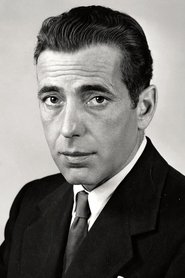
Humphrey Bogart
Actor
Born: December 25, 1899 in New York City, New York, USA Died: January 14, 1957 Active: 1920-1956 Birth Name: Humphrey DeForest Bogart
Films
2 films
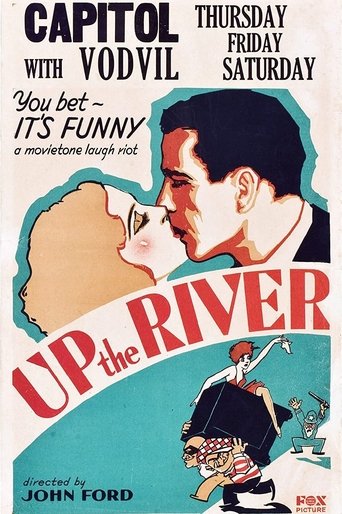
About Humphrey Bogart
Humphrey DeForest Bogart (1899-1957) rose from a troubled youth and Broadway actor to become one of Hollywood's most leading men, defining the film noir genre with his cynical, world-weary characters. After serving in World War I and struggling through minor roles in the 1920s and early 1930s, Bogart broke through with his performance as Duke Mantee in 'The Petrified Forest' (1936), which led to a contract with Warner Bros. Throughout the 1940s, he established himself as a box office powerhouse with performances in 'The Maltese Falcon' (1941), 'Casablanca' (1942), 'To Have and Have Not' (1944), and 'The Big Sleep' (1946). His Oscar-winning performance in 'The African Queen' (1951) opposite Katharine Hepburn showcased his versatility beyond the tough-guy persona. Bogart formed his own production company, Santana Productions, in the late 1940s, giving him more creative control over projects like 'In a Lonely Place' (1950). His final years saw him continue delivering powerful performances in films like 'The Caine Mutiny' (1954) and 'The Harder They Fall' (1956) before his death from esophageal cancer at age 57. Bogart's legacy as a cultural icon endures, with the American Film Institute naming him the greatest male star of classic American cinema.
The Craft
On Screen
Bogart developed a distinctive acting style characterized by his naturalistic delivery, subtle facial expressions, and trademark lisp. He pioneered the 'hard-boiled' detective archetype, bringing psychological depth and moral ambiguity to his characters. His technique emphasized understatement and restraint, using minimal gestures and his distinctive voice to convey complex emotions. Bogart's performances often featured a world-weary cynicism masking underlying idealism, creating characters who were both tough and vulnerable. He excelled at portraying intelligent, cynical men with a personal code of honor, making his antiheroes relatable to audiences.
Milestones
- Breakthrough role in 'The Petrified Forest' (1936)
- Starred in film noir classic 'The Maltese Falcon' (1941)
- Iconic performance in 'Casablanca' (1942)
- Academy Award for 'The African Queen' (1951)
- Founded Santana Productions (1948)
- Married Lauren Bacall (1945)
- AFI's Greatest Male Star of American Cinema (1999)
Best Known For
Iconic Roles
Must-See Films
Accolades
Won
- Academy Award for Best Actor - The African Queen (1951)
- Golden Globe for Best Actor - The African Queen (1951)
- New York Film Critics Circle Award for Best Actor - The African Queen (1951)
Nominated
- Academy Award nomination for Best Actor - Casablanca (1942)
- Academy Award nomination for Best Actor - The Caine Mutiny (1954)
- Academy Award nomination for Best Actor - The Treasure of the Sierra Madre (1948)
Special Recognition
- Hollywood Walk of Fame Star (1960)
- AFI's Greatest Male Star of American Cinema - #1 (1999)
- United States Postal Service commemorative stamp (1997)
- Inducted into the Hall of Fame of the American Theatre (1980)
Working Relationships
Worked Often With
Studios
Why They Matter
Impact on Culture
Humphrey Bogart transcended mere stardom to become a cultural archetype, defining the American antihero for generations. His portrayal of cynical yet honorable men during World War II resonated deeply with audiences, making Rick Blaine in 'Casablanca' one of cinema's most enduring characters. Bogart's influence extended beyond film into fashion, with his trench coats, fedoras, and signature cigarette becoming iconic symbols of cool sophistication. He represented a particular brand of American masculinity - tough, intelligent, and morally complex - that continues to be referenced and parodied in popular culture. The 'Bogart' persona became so ingrained that it spawned the verb 'to bogart,' meaning to selfishly keep something for oneself. His films, particularly the noir classics, established narrative and visual tropes that would influence countless filmmakers and genres, from neo-noir to modern crime dramas.
Lasting Legacy
Bogart's legacy as the quintessential Hollywood icon remains unmatched decades after his death. The American Film Institute's ranking of him as the greatest male star in American cinema history testifies to his enduring impact on film and popular culture. His performances continue to be studied by actors and filmmakers for their subtlety, psychological depth, and technical mastery. The films he created, particularly 'Casablanca,' have become cultural touchstones that transcend their era, speaking to universal themes of love, sacrifice, and moral choice. Bogart's production company, Santana Productions, pioneered the concept of actor-driven creative control in Hollywood, influencing later generations of stars who sought greater autonomy. His marriage to Lauren Bacall created one of Hollywood's most legendary love stories, further cementing his status as a romantic icon. Today, Bogart's image and characters continue to be referenced in everything from advertising to contemporary films, proving that his particular brand of cool, cynical idealism remains timeless.
Who They Inspired
Bogart's naturalistic acting style revolutionized screen performance, moving away from theatrical techniques toward a more authentic, understated approach that influenced method actors like Marlon Brando and James Dean. His portrayal of complex antiheroes paved the way for more morally ambiguous protagonists in American cinema, from Clint Eastwood's Man with No Name to Al Pacino's Michael Corleone. Directors like Martin Scorsese and Quentin Tarantino have frequently cited Bogart's films as major influences on their work, particularly in their use of voice-over narration and morally complex characters. The film noir genre, which Bogart helped define with 'The Maltese Falcon' and 'The Big Sleep,' continues to inspire neo-noir filmmakers who adapt its visual and narrative conventions for contemporary audiences. His business acumen in forming his own production company inspired later actors like Clint Eastwood and Robert Redford to take control of their careers. Even his distinctive vocal delivery and speech patterns have been emulated by countless actors seeking to capture his unique blend of toughness and vulnerability.
Off Screen
Bogart's personal life was as dramatic as his film roles, marked by four marriages and a legendary romance with Lauren Bacall. His first three marriages to Helen Menken, Mary Philips, and Mayo Methot all ended in divorce, with his third marriage to Mayo Methot being particularly tumultuous due to both partners' heavy drinking. His relationship with Bacall began during the filming of 'To Have and Have Not' when she was 19 and he was 45, creating one of Hollywood's most iconic love stories. Bogart was known for his friendships with fellow actors like John Huston and his membership in the 'Holmby Hills Rat Pack.' Despite his tough-guy image, he was an avid chess player and maintained a sophisticated lifestyle. His death from esophageal cancer in 1957 shocked Hollywood and marked the end of an era in classic cinema.
Education
Attended Trinity School in New York, Phillips Academy in Andover (expelled), served in the U.S. Navy during World War I
Family
- Helen Menken (1926-1927)
- Mary Philips (1928-1937)
- Mayo Methot (1938-1945)
- Lauren Bacall (1945-1957)
Did You Know?
- His famous scar on his lip resulted from a naval accident during World War I when he was hit by shrapnel while escorting a prisoner
- He was expelled from Phillips Academy for throwing the headmaster into a pond
- Before becoming an actor, he worked as a bond salesman on Wall Street
- He was a serious chess player and played with masters during breaks on film sets
- His nickname 'Bogie' was originally used by his friends in the theater district
- He was a founding member of the 'Holmby Hills Rat Pack' before Frank Sinatra's group
- He was afraid of flying and preferred traveling by train or ship
- He owned a yacht named 'Santana' after his production company
- He was a heavy smoker, often going through three packs a day
- His final words were reportedly 'I should never have switched from scotch to martinis'
- He was posthumously awarded the Presidential Medal of Freedom in 1999
- His handprints and footprints are immortalized in the forecourt of Grauman's Chinese Theatre
In Their Own Words
Here's looking at you, kid. - as Rick Blaine in Casablanca (1942)
Play it, Sam. Play 'As Time Goes By.' - as Rick Blaine in Casablanca (1942)
The stuff that dreams are made of. - as Sam Spade in The Maltese Falcon (1941)
Of all the gin joints in all the towns in all the world, she walks into mine. - as Rick Blaine in Casablanca (1942)
I don't trust a man that doesn't drink. - in various films
The only thing you owe the public is a good performance. - in real life
I'm no good at being noble, but it doesn't take much to see that the problems of three little people don't amount to a hill of beans in this crazy world. - as Rick Blaine in Casablanca (1942)
A hot dog at the ballpark beats roast beef at the Ritz. - in real life
Frequently Asked Questions
Who was Humphrey Bogart?
Humphrey Bogart was one of Hollywood's most iconic actors, known for his roles in classic films like 'Casablanca' and 'The Maltese Falcon.' He defined the film noir genre and created the archetype of the cynical, world-weary antihero with a heart of gold. The American Film Institute named him the greatest male star of classic American cinema.
What films is Humphrey Bogart best known for?
Bogart is best known for 'Casablanca' (1942), 'The Maltese Falcon' (1941), 'The African Queen' (1951), 'The Big Sleep' (1946), 'To Have and Have Not' (1944), and 'Key Largo' (1948). His performance in 'The African Queen' earned him an Academy Award for Best Actor.
When was Humphrey Bogart born and when did he die?
Humphrey Bogart was born on December 25, 1899, in New York City, and died on January 14, 1957, in Los Angeles, California, at the age of 57 from esophageal cancer. His death marked the end of an era in Hollywood's Golden Age.
What awards did Humphrey Bogart win?
Bogart won the Academy Award for Best Actor for 'The African Queen' (1951), along with a Golden Globe and New York Film Critics Circle Award for the same performance. He received three Oscar nominations total and was posthumously awarded the Presidential Medal of Freedom in 1999.
What was Humphrey Bogart's acting style?
Bogart developed a naturalistic acting style characterized by understatement, subtle facial expressions, and his distinctive voice delivery. He pioneered the 'hard-boiled' detective archetype, bringing psychological depth to cynical characters who maintained a personal code of honor beneath their world-weary exterior.
Who was Humphrey Bogart married to?
Bogart was married four times, most famously to actress Lauren Bacall from 1945 until his death in 1957. Their 25-year age difference and legendary romance began during the filming of 'To Have and Have Not' (1944) and became one of Hollywood's most iconic love stories.
What was Humphrey Bogart's role in 'Beat the Devil'?
In 'Beat the Devil' (1953), Bogart played Billy Dannreuther, an American adventurer involved in a scheme to gain control of uranium-rich land in Africa. The film was a satirical comedy-adventure directed by John Huston and co-starred Jennifer Jones and Gina Lollobrigida, representing a departure from Bogart's typical serious noir roles.