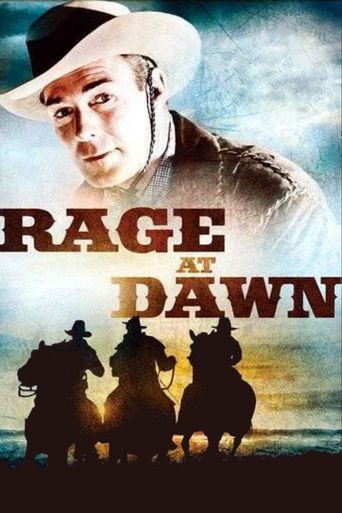

Forrest Tucker
Actor
Born: February 12, 1919 in Plainfield, Indiana, USA Died: October 25, 1986 Active: 1938-1986 Birth Name: Forrest Meredith Tucker
Films
2 films
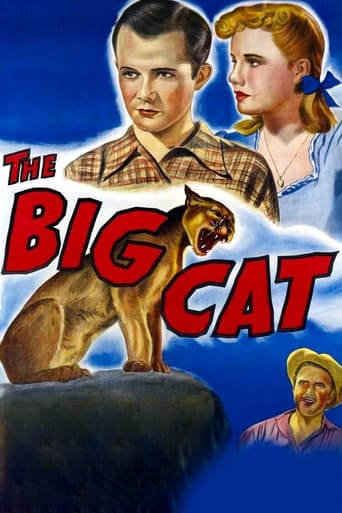
About Forrest Tucker
Tall, charismatic American actor known for his roles in Westerns, adventure films, and later television. He began his career in the late 1930s and became a familiar face in Hollywood through the 1940s and 1950s, appearing in over 100 films throughout his career. Standing at 6'5", he had an imposing presence that made him ideal for leading man roles, particularly in Westerns where his rugged persona fit perfectly. Tucker was known for his distinctive deep voice and natural acting style that conveyed strength and reliability without theatrical mannerisms. His career demonstrated remarkable longevity, transitioning successfully from film to television in his later years, where he found renewed fame in the series "F Troop." He worked with major studios including Republic Pictures and Paramount, establishing himself as a reliable character actor who could handle both dramatic and comedic roles effectively.
The Craft
On Screen
Tucker was known for his natural, understated acting style that conveyed strength and reliability. He had a commanding screen presence thanks to his height and deep voice, which he used effectively in both dramatic and comedic roles. His approach was straightforward and authentic, avoiding theatrical mannerisms in favor of grounded performances. He excelled at playing the strong, dependable hero type, particularly in Westerns where his rugged persona fit perfectly. Despite his imposing physical presence, he could deliver subtle emotional beats and had good comic timing when required.
Milestones
- Film debut in "The Great Waltz" (1938)
- Leading roles in Western films throughout the 1940s-1950s
- Star of "F Troop" TV series (1965-1967)
- Return to film in "The Great Train Robbery" (1978)
- Over 100 film appearances throughout career
Best Known For
Iconic Roles
Must-See Films
Accolades
Won
- Golden Boot Award (posthumous)
- Western Heritage Awards
Nominated
- Emmy Award nomination for Outstanding Continued Performance by an Actor in a Leading Role in a Comedy Series for F Troop (1966)
Special Recognition
- Hollywood Walk of Fame star (6301 Hollywood Blvd)
- Western Film Hall of Fame inductee
Working Relationships
Worked Often With
Studios
Why They Matter
Impact on Culture
Forrest Tucker contributed significantly to the Western genre during its golden age in Hollywood, helping define the archetype of the tall, strong Western hero. His work in television with "F Troop" brought Western comedy to mainstream audiences and influenced subsequent TV Westerns. His transition from film to television represented the broader shift in entertainment during the 1960s, demonstrating how classic film actors could adapt to the new medium. Tucker's enduring presence in both mediums made him a familiar figure to multiple generations of viewers, particularly those who grew up watching Westerns in the 1950s and television Westerns in the 1960s.
Lasting Legacy
Tucker left a lasting legacy as one of Hollywood's reliable character actors who could seamlessly transition between genres. His work in Westerns helped establish many of the genre's conventions, while his later television success showed his versatility and adaptability. He is remembered for his distinctive presence and the authenticity he brought to his roles, particularly in Westerns where he embodied the ideal of the American frontier hero. His career serves as an example of longevity and adaptability in the entertainment industry, spanning from the Golden Age of Hollywood through the television revolution of the 1960s.
Who They Inspired
Tucker influenced subsequent generations of character actors, particularly those working in Westerns and television. His natural acting style and ability to convey strength without overacting became a model for performers in similar roles. His successful transition from film to television paved the way for other classic film actors to find new audiences in the emerging medium. Many actors who followed in Westerns and television comedies drew inspiration from his ability to balance dramatic weight with comedic timing.
Off Screen
Forrest Tucker was married three times and had three children. He was known for his affable personality off-screen and maintained good relationships with his co-stars throughout his career. His personal life was relatively private compared to many Hollywood stars of his era. He served in the U.S. Army Air Corps during World War II, which temporarily interrupted his acting career. Tucker was also known for his practical jokes on set, particularly during the filming of "F Troop."
Education
Attended Washington High School in Indianapolis, Indiana; no formal acting training, learned through on-the-job experience in Hollywood studios
Family
- Sandra Jolley (1950-1959)
- Marilyn Johnson (1960-1979)
- Marilyn Fisk (1980-1986, his death)
Did You Know?
- Stood 6'5" tall, making him one of the tallest leading men of his era
- Served in the U.S. Army Air Corps during World War II
- Was a skilled horseman, which served him well in Western roles
- His deep voice was often used for narration in films
- Originally wanted to be a professional baseball player before turning to acting
- Made his film debut as an uncredited extra in "The Great Waltz" (1938)
- Was a close friend of John Wayne and appeared in several films with him
- His role in "F Troop" remains his most famous television work
- Continued acting until shortly before his death from cancer in 1986
- Was known for his practical jokes on set, particularly during the filming of "F Troop"
In Their Own Words
I've never been a star, just a working actor. And I've been very lucky to work consistently.
Height is an advantage in this business, but you still have to be able to act.
Westerns were good to me, and I hope I was good to Westerns.
Frequently Asked Questions
Who was Forrest Tucker?
Tall, charismatic American with credits in this catalog." With a career spanning nearly five decades, he appeared in over 100 films and became a familiar face in Hollywood's Golden Age.
What films is Forrest Tucker best known for?
Titles linked here include The Great Train Robbery (1978), F Troop (TV series).
When was Forrest Tucker born and when did he die?
Born February 12, 1919; died October 25, 1986.
What awards did Forrest Tucker win?
While Tucker didn't receive major industry awards like Oscars, he earned an Emmy nomination for his work on "F Troop" in 1966 and received posthumous recognition from Western film organizations, including the Golden Boot Award.
What was Forrest Tucker's acting style?
Tucker was known for his natural, understated acting style that conveyed strength and authenticity. His tall stature and deep voice gave him a commanding presence, which he used effectively in Westerns and adventure films without resorting to theatrical mannerisms.