Sheldon Leonard
Actor
Born: February 22, 1907 in New York City, New York, United States Died: January 11, 1997 Active: 1943-1980s
Films
2 films
About Sheldon Leonard
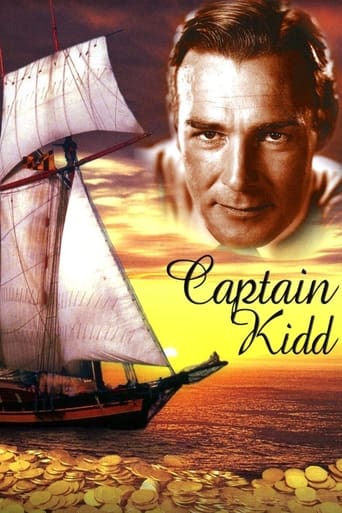
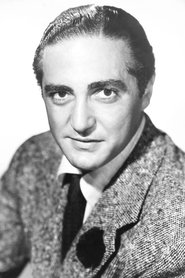
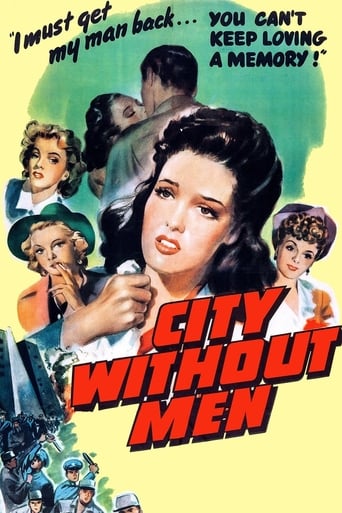
American actor, producer, director, and television executive: screen career began in the early 1940s, with supporting roles in crime films, war pictures, and comedies. As an actor, he was especially memorable for playing tough, streetwise, often world-weary characters, and he appeared in films such as City Without Men (1943) and Captain Kidd (1945), where his compact physical presence and dry delivery made him instantly recognizable. Although his film acting career was relatively brief, he became much more influential behind the camera, helping shape some of the most important American television of the 1950s and 1960s. He later produced and/or developed landmark series including The Danny Thomas Show, Make Room for Daddy, The Andy Griffith Show, Gomer Pyle, U.S.M.C., and I Spy, establishing a reputation as one of the key creative forces in early television production. Leonard was known in Hollywood for his practical intelligence, strong instincts for performance, and ability to cast and guide actors in roles that matched their natural rhythms. His transition from performer to producer/director helped bridge classic studio-era filmmaking and the emerging television age. He in entertainment history not because of a vast film acting resume, but because of his lasting impact on both screen acting and the architecture of classic television.
The Craft
On Screen
Leonard’s acting style was compact, direct, and heavily personality-driven, with an emphasis on timing, authority, and an undercurrent of irony. He often played blunt, tough-talking men who could be intimidating, humorous, or oddly charming depending on the scene. His screen presence relied less on physical expansiveness than on voice, phrasing, and the sense that the character had lived a hard life and knew exactly what was going on. In supporting roles, he was especially effective at adding texture and realism to crime dramas and period adventures.
Milestones
- Appeared in early 1940s feature films including City Without Men and Captain Kidd, establishing his screen persona as a tough, sardonic supporting player
- Built a second, far more influential career as a television producer, director, and developer of hit series in the 1950s and 1960s
- Helped shape the career of Danny Thomas and played a major behind-the-scenes role in the creation of Make Room for Daddy
- Served as a key creative force behind The Andy Griffith Show, Gomer Pyle, U.S.M.C., and I Spy
- Was widely admired in Hollywood for his eye for talent and his ability to develop character-driven sitcoms
- Helped popularize a more natural, economical style of television comedy and situation writing
- Remained a respected industry figure long after leaving substantial on-camera acting work
Best Known For
Iconic Roles
Must-See Films
Accolades
Won
- Primetime Emmy Award recognition for television production work
Nominated
- Multiple Primetime Emmy nominations for producing and developing television series
Special Recognition
- Recognized as one of the major architect figures of classic American television
Working Relationships
Worked Often With
Studios
Why They Matter
Impact on Culture
Sheldon Leonard’s cultural impact is far larger than the small number of film acting credits in his early screen career might suggest. As a producer and creative executive, he helped define the tone and structure of postwar American television comedy, especially the domestic sitcom and the character-driven small-town or military-comedy format. His work contributed to the popularity of programs that became part of the American cultural mainstream, and his instincts helped turn performers like Andy Griffith and Don Knotts into enduring household names. He is also remembered for showing that a former character actor could successfully move into the highest levels of production leadership, influencing how Hollywood and television talent viewed career reinvention.
Lasting Legacy
Leonard’s lasting legacy lies in the transformation of a working character actor into one of television’s formative creative architects. While his film roles are relatively modest, his behind-the-camera accomplishments helped shape the look, pace, and emotional rhythm of classic American TV comedy and light drama. He is historically important as a bridge between the studio-era support-player system and the producer-driven television era that followed. In classic cinema history, he stands as an example of how supporting actors could use their industry knowledge to become powerful creative decision-makers.
Who They Inspired
Leonard influenced later producers and directors by demonstrating the value of casting to type, building shows around performer strengths, and trusting character-based humor over broad gimmicks. His approach helped normalize a production philosophy in which the creator’s job was to support the ensemble and refine the material rather than dominate it stylistically. Many later television producers adopted similar methods of developing star vehicles that were also ensemble comedies. His career also influenced the perception of actors who wanted to transition into producing, showing that on-screen experience could translate into successful executive judgment.
Off Screen
Sheldon Leonard was married and had a long, stable family life away from the screen, though he remained a highly public industry figure through his production work. He was known more for his professional relationships and business influence than for a publicity-heavy personal life. His family background and personal affairs were not as heavily documented in popular film history as his television accomplishments, and he tended to be discussed in trade and industry circles primarily as a sharp creative executive. He died in 1997 at the age of 89, leaving behind a substantial legacy in American entertainment.
Education
Educational background is not clearly documented in the standard film-history sources commonly used for classic cinema reference.
Family
- Virginia Murray (married; dates not firmly verified in available classic-film references)
Did You Know?
- Sheldon Leonard was one of the classic Hollywood figures who moved from acting into major behind-the-scenes power in television.
- He was known for playing tough guys and heavies in films, but his greatest long-term influence came as a producer of warm, highly successful television comedies.
- His screen acting career was comparatively short, but his producing career extended across several decades and had a much larger cultural footprint.
- He is strongly associated with developing or guiding series that became fixtures of American television reruns and syndication.
- Leonard’s career illustrates how some character actors of the studio era found new prominence in the television age.
- He worked in an era when many film actors had to adapt quickly to the rise of TV, and he did so with exceptional success.
- Despite his fame in television production, he is still cataloged in film histories as an actor because of his early 1940s screen appearances.
In Their Own Words
No reliably sourced classic-cinema-era quotes are consistently attributed to Sheldon Leonard in standard reference materials.
Frequently Asked Questions
Who was Sheldon Leonard?
American with credits in this catalog. He began as a supporting player in 1940s films and then helped shape several landmark TV series that defined mid-century American popular culture.
What films is Sheldon Leonard best known for?
Titles linked here include City Without Men (1943), Captain Kidd (1945).
When was Sheldon Leonard born and when did he die?
Born February 22, 1907; died January 11, 1997.
What awards did Sheldon Leonard win?
He received Primetime Emmy recognition for his television production work, including multiple nominations across his career. Standard classic-film references emphasize his industry influence more than a long list of film-acting awards.
What was Sheldon Leonard's acting style?
Leonard’s acting style was tough, economical, and sharply spoken, often relying on dry humor and a streetwise sense of authority. He specialized in compact character work that made even brief appearances memorable.
What was Sheldon Leonard's legacy in film and television history?
His legacy is strongest in television, where he helped create and shape some of the era’s most enduring series. In classic cinema history, he is remembered as a distinctive character actor who successfully reinvented himself as a major behind-the-scenes force.