
Juan de Landa
Actor
Born: January 27, 1894 in Mutriku, Gipuzkoa, Spain Died: February 18, 1968 Active: 1930-1958 Birth Name: Juan Crisóstomo Pisón Pagoaga y Landa
Films
1 film
About Juan de Landa
Juan de Landa, born Juan Pisón Pagoaga y Landa, was a Spanish actor and operatic tenor whose the transition from silent films to the Golden Age of European cinema. Born in the Basque Country, he initially pursued a career in music, performing as a tenor in major opera houses across Italy, Germany, and Spain during the 1920s. His cinematic journey began in Hollywood in 1930, where he was recruited by MGM to star in Spanish-language versions of their major productions, such as 'El presidio' (the Spanish version of 'The Big House'). Following his success in America, he returned to Europe, becoming a staple of Spanish cinema before moving to Italy during the Spanish Civil War. In Italy, he achieved international immortality for his role as the cuckolded husband Giuseppe Bragana in Luchino Visconti's 'Ossessione' (1943), a film widely regarded as the first masterpiece of Italian Neorealism. Throughout the 1940s and 1950s, he remained a highly sought-after character actor in both Italy and Spain, known for his imposing physical presence and powerful dramatic range.
The Craft
On Screen
Juan de Landa was noted for his 'imposing physical presence' and a robust, earthy acting style that transitioned from the theatricality of opera to the gritty realism of post-war European cinema. His background as a tenor provided him with a powerful vocal delivery, which he used to great effect in both dramatic and villainous roles. In his later career, he became a master of the 'character' role, often portraying rough, working-class men or authoritative figures with a blend of menace and vulnerability.
Milestones
- Recruited by MGM in 1930 for the 'Spanish Hollywood' era to star in multi-language versions.
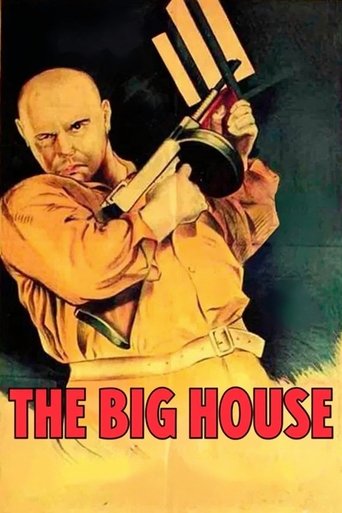
- Starred as 'Butch' (the role played by Wallace Beery) in 'El presidio' (1930), the Spanish version of 'The Big House'.
- Delivered a career-defining performance in Luchino Visconti's 'Ossessione' (1943).
- Won the Nastro d'Argento (Silver Ribbon) for Best Supporting Actor in 1947 for 'Il bandito'.
- Successfully transitioned from a leading man in Spanish-language Hollywood films to a revered character actor in European Neorealism.
- Appeared in over 50 films across the Spanish, American, and Italian film industries.
Best Known For
Iconic Roles
Must-See Films
Accolades
Won
- Nastro d'Argento (Silver Ribbon) for Best Supporting Actor (1947) for 'Il bandito'
Special Recognition
- Recognized as a pivotal figure in the birth of Italian Neorealism for his performance in 'Ossessione'.
Working Relationships
Worked Often With
Studios
Why They Matter
Impact on Culture
Juan de Landa played a crucial role in the 'Spanish Hollywood' period, a brief but fascinating era where major U.S. Studios produced native-language versions of their hits for foreign markets. However, his most significant cultural impact came through his involvement in the Italian Neorealist movement. By providing a raw, authentic performance in 'Ossessione', he helped shift the paradigm of film acting away from the polished 'White Telephone' style of the Fascist era toward a more human, gritty reality.
Lasting Legacy
Landa is remembered today primarily as the face of the betrayed husband in 'Ossessione', a role that remains a staple of film history curriculum. He serves as a bridge between the early sound era of Hollywood and the artistic explosion of post-war European cinema. In Spain, he is honored as one of the country's most successful international exports of the 1930s and 40s.
Who They Inspired
His transition from opera to realistic film acting influenced subsequent generations of European character actors who sought to bring physical weight and vocal gravitas to the screen without relying on stage artifice.
Off Screen
Born into a humble family in the Basque Country, Landa's family moved to Madrid in 1908 before spending time in South America (Paraguay and Argentina). It was during his time in South America that he developed his skills as an opera singer. He was known for his adventurous spirit, having run away from home at age twelve to join a traveling comedy troupe. He eventually returned to his birthplace of Mutriku in his final years.
Education
Studied opera and vocal performance in South America and Europe during the early 1920s.
Did You Know?
- At age 12, he ran away from home to join a group of traveling comedians.
- He was a professional opera tenor before ever appearing in a film.
- He moved to Hollywood specifically to follow the famous soprano Lucrezia Bori.
- In 'El presidio' (1930), he played the exact same role that Wallace Beery made famous in the English version.
- He was often dubbed in Italian films by the voice actor Mario Besesti.
- He appeared in the 1953 John Huston film 'Beat the Devil' alongside Humphrey Bogart.
- He died of liver cancer in his hometown of Mutriku in 1968.
In Their Own Words
I didn't come to Hollywood to be an actor; I came to follow a voice, and I found a new way to speak to the world.
Frequently Asked Questions
Who was Juan de Landa?
Prominent Spanish with credits in this catalog. He is best known for his role in the landmark film 'Ossessione' (1943).
What films is Juan de Landa best known for?
Titles linked here include Ossessione (1943), El presidio (1930).
When was Juan de Landa born and when did he die?
Born January 27, 1894; died February 18, 1968.
What awards did Juan de Landa win?
He won the prestigious Nastro d'Argento (Silver Ribbon) for Best Supporting Actor in 1947 for his performance in the film 'Il bandito'.
What was Juan de Landa's acting style?
Landa was known for his 'imposing physical presence' and a powerful, grounded acting style that combined his operatic training with the raw emotional demands of Neorealism.
Did Juan de Landa work in Hollywood?
Yes, he worked in Hollywood during the early 1930s, specifically starring in Spanish-language versions of MGM films like 'The Big House' (El presidio).