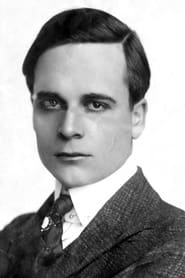
Edmund Cobb
Actor
Born: June 23, 1892 in Albuquerque, New Mexico, USA Died: September 15, 1974 Active: 1912-1966 Birth Name: Edmund Fessenden Cobb
Films
3 films
About Edmund Cobb
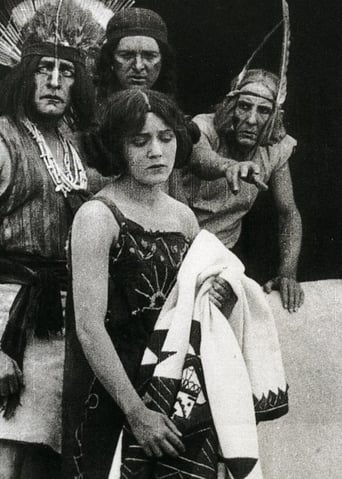
Prolific American character actor: over four decades in Hollywood, beginning in the silent era and continuing through the golden age of cinema. Born in Albuquerque, New Mexico, he made his film debut in 1912 with 'A Pueblo Legend,' leveraging his authentic Western background to secure numerous roles in cowboy films and serials. Cobb became recognizable faces in B-movie westerns and serials throughout the 1920s and 1930s, appearing in over 600 films during his career. His rugged appearance and natural riding ability made him a perfect fit for villainous roles in westerns, though he occasionally played heroes and supporting characters in other genres. During the transition to sound films, Cobb successfully adapted his career and continued working steadily through the 1940s and 1950s, often without on-screen billing in larger productions while maintaining leading roles in lower-budget pictures. His longevity in the industry was remarkable, as he continued acting until his retirement in the 1960s, making him one of Hollywood's most durable character actors. Cobb's extensive filmography represents a significant contribution to the American western genre and the studio system era of Hollywood filmmaking.
The Craft
On Screen
Cobb was known for his naturalistic and authentic portrayal of Western characters, bringing genuine frontier authenticity to his roles. His acting style was straightforward and unpretentious, perfect for the fast-paced production schedules of B-movies and serials. He excelled at playing menacing villains with a subtle menace that didn't require exaggerated theatrics. In his rare heroic roles, he projected a quiet strength and reliability that audiences found appealing. His background in New Mexico gave him an authentic Western demeanor that many of his contemporaries lacked.
Milestones
- Film debut in 'A Pueblo Legend' (1912)
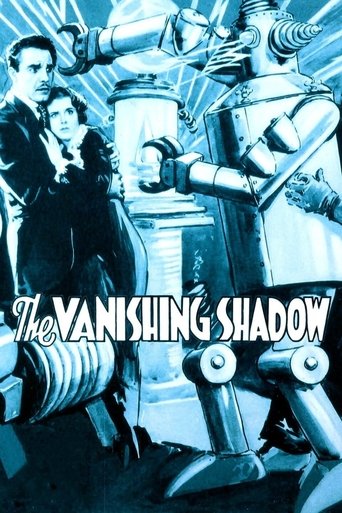
- Starred in 'The Vanishing Shadow' (1934) serial
- Appeared in over 600 films during his career
- Became
- Successfully transitioned from silent films to talkies
- Worked with major studios including Universal, Republic, and Columbia
Best Known For
Iconic Roles
Must-See Films
Accolades
Special Recognition
- Recognized as one of Hollywood's most prolific character actors
- Honored by Western film preservation societies
Working Relationships
Worked Often With
Studios
Why They Matter
Impact on Culture
Edmund Cobb made a significant contribution to American popular culture through his extensive work in Western films and serials, helping shape the genre's visual language and character archetypes. His countless appearances as villains and supporting characters helped establish the visual vocabulary of the American West that would influence generations of filmmakers and audiences. Cobb's work in serials helped popularize the cliffhanger format that became a staple of American entertainment and influenced later television programming. His authentic portrayal of Western characters, drawn from his New Mexico heritage, added credibility to the genre during its formative years. As.
Lasting Legacy
Edmund Cobb's legacy lies in his extraordinary productivity and the sheer volume of his work, which serves as a valuable record of Hollywood's studio system era. With over 600 film appearances, he represents the backbone of classic Hollywood cinema - the reliable character actors who brought depth and authenticity to countless productions. His extensive filmography provides modern film historians and enthusiasts with a comprehensive view of American popular entertainment from the 1910s through the 1950s. Cobb's career demonstrates the durability and adaptability required to succeed in Hollywood's rapidly changing landscape, from silent films through the transition to sound and into the television era. His work continues to be studied and appreciated by Western film enthusiasts and preservationists who recognize the importance of these foundational films in American cultural history.
Who They Inspired
Cobb influenced countless character actors who followed in his footsteps, demonstrating how a successful career could be built on reliability and versatility rather than stardom. His professional approach and ability to work efficiently on multiple projects set a standard for supporting actors in the studio system. Many younger Western actors learned from his techniques in portraying authentic frontier characters. His work in serials influenced the development of action sequences and cliffhanger storytelling that would later be adapted for television. Cobb's career longevity showed how actors could adapt to changing technologies and audience preferences while maintaining steady employment in the entertainment industry.
Off Screen
Edmund Cobb married actress Helen Ferguson in 1925, though the marriage ended in divorce. He later married actress and screenwriter Evelyn Nelson in 1932, who remained his wife until her death in 1943. Cobb was known as a reliable and professional actor who was well-liked by his colleagues in the industry. Despite his extensive film career, he maintained a relatively private personal life away from the Hollywood spotlight. He spent his later years in Woodland Hills, California, at the Motion Picture & Television Country House and Hospital.
Education
Limited formal education, learned acting through practical experience in early Hollywood
Family
- Helen Ferguson (1925-1931)
- Evelyn Nelson (1932-1943)
Did You Know?
- Appeared in over 600 films during his 54-year career
- making him one of Hollywood's most prolific actors
- Was often typecast as a villain due to his stern facial features
- Served in World War I before returning to his acting career
- Was an expert horseman, performing many of his own stunts
- Often worked without credit in major studio productions
- His authentic New Mexico background gave him credibility in Western roles
- Made the transition from silent films to talkies with ease
- Worked with virtually every major Western star of his era
- Continued acting well into his 70s, appearing in television westerns
- Was a founding member of the Screen Actors Guild
In Their Own Words
In Westerns, you either played the hero or the villain. I found more work as the villain, and audiences love to hate a good bad guy.
Making serials was like making a feature film every week - you had to be ready for anything and always be on time.
The secret to longevity in this business isn't talent, it's reliability. Show up, know your lines, and don't make trouble.
Frequently Asked Questions
Who was Edmund Cobb?
Screen credits include over 600 films during a career spanning from 1912 to 1966. He was particularly known for his work in Western films and serials, often playing villains and supporting characters.
What films is Edmund Cobb best known for?
Titles linked here include A Pueblo Legend (1912), The Vanishing Shadow (1934).
When was Edmund Cobb born and when did he die?
Born June 23, 1892; died September 15, 1974.
What awards did Edmund Cobb win?
While Edmund Cobb did not receive major formal awards during his career, he was recognized as one of Hollywood's most prolific and reliable character actors, appearing in over 600 films and working consistently for over five decades.
What was Edmund Cobb's acting style?
Cobb was known for his naturalistic and authentic portrayal of Western characters, bringing genuine frontier authenticity to his roles. His straightforward, unpretentious style was perfect for the fast-paced production of B-movies and serials.