Films
1 film
About Nanasaheb Phatak
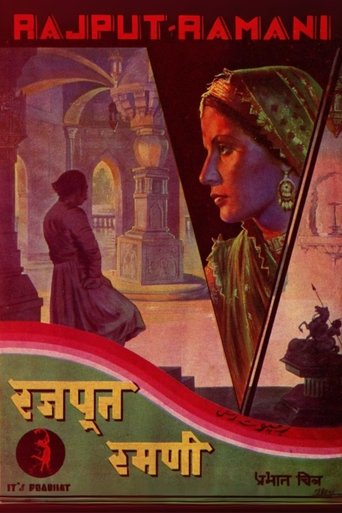
Nanasaheb Phatak is credited on a single production — Rajput Ramani (1936). His most notable and possibly only known film credit is 'Rajput Ramani' from 1936, which places him among the actors of India's sound film era. The 1930s marked a crucial transition period in Indian cinema, moving from silent films to talkies, and actors like Phatak were part of this historic transformation. Unfortunately, detailed records about his career trajectory, training, or personal background from this early period of Indian cinema are scarce, as was common for many actors of that era. His appearance in 'Rajput Ramani' suggests he was likely active in the Marathi or Hindi film industry, which were among the most prominent regional film centers during the 1930s. The lack of extensive documentation about his career indicates he may have been a character actor or had a relatively brief career in the film industry.
The Craft
Milestones
- Appeared in 'Rajput Ramani' (1936) during the early talkie era of Indian cinema
Best Known For
Iconic Roles
Must-See Films
Why They Matter
Impact on Culture
Nanasaheb Phatak represents the generation of actors who helped establish the foundation of Indian cinema during its transition from silent films to talkies. Though his individual contribution may not be extensively documented, actors like him were integral to the development of Indian film industry during its nascent stages. The 1930s was a decade of tremendous growth and experimentation in Indian cinema, and every actor who participated in films of this era contributed to the evolution of acting styles, storytelling techniques, and the establishment of cinema as a major cultural medium in India. His work in 'Rajput Ramani' places him within the context of early Indian filmmakers and actors who were navigating the new challenges and opportunities presented by sound technology in cinema.
Lasting Legacy
The legacy of Nanasaheb Phatak is primarily historical, serving as a representative example of the many actors who participated in early Indian cinema but whose detailed contributions have been lost to time. Like many actors from the 1930s Indian film industry, his story highlights the need for better documentation and preservation of early cinema history. While he may not be remembered as a major star, his participation in films like 'Rajput Ramani' makes him part of the foundational generation of Indian cinema that paved the way for future generations of filmmakers and actors.
Who They Inspired
Due to the limited documentation of Nanasaheb Phatak's career and body of work, it is difficult to assess his specific influence on other actors or filmmakers. However, as an actor working during the early talkie period, he would have been part of the collective effort to establish acting conventions and techniques suitable for sound cinema in India, which would have influenced subsequent generations of performers.
Off Screen
Very limited information is available about the personal life of Nanasaheb Phatak, which is typical for actors from the early Indian cinema period when detailed biographical records were not systematically maintained.
Did You Know?
- Appeared in cinema during the crucial transition period from silent films to talkies in India
- His only known film credit is from 1936, making him part of the very early generation of Indian sound film actors
- The 1930s saw the establishment of major film studios in Bombay, Calcutta, and Madras, where he likely worked
- Early Indian cinema actors often came from theatre backgrounds, though this cannot be confirmed for Phatak
- Film preservation from the 1930s in India was poor, with many films from this era now lost
- Actors from this period often worked in multiple languages, appearing in Hindi, Marathi, or regional language films
Frequently Asked Questions
Who was Nanasaheb Phatak?
Early Indian cinema with credits in this catalog. His only known film credit is 'Rajput Ramani' from 1936, placing him among the actors of India's sound film era.
What films is Nanasaheb Phatak best known for?
Titles linked here include Rajput Ramani (1936).
When was Nanasaheb Phatak active in films?
Based on available records, Nanasaheb Phatak was active in 1936, appearing in 'Rajput Ramani'. This places him in the early talkie period of Indian cinema when the industry was transitioning from silent films to sound.
What was the significance of actors like Nanasaheb Phatak in early Indian cinema?
Actors like Nanasaheb Phatak were pioneers who helped establish the foundation of Indian cinema during its transition to sound films. Though many of these early actors are not well-documented, they were integral to developing acting techniques and storytelling conventions for Indian talkies.
Why is there limited information about Nanasaheb Phatak?
Limited information about Nanasaheb Phatak is typical for actors from 1930s Indian cinema due to poor record-keeping, lack of systematic documentation, and the loss of many films and archival materials from that early period of Indian film history.