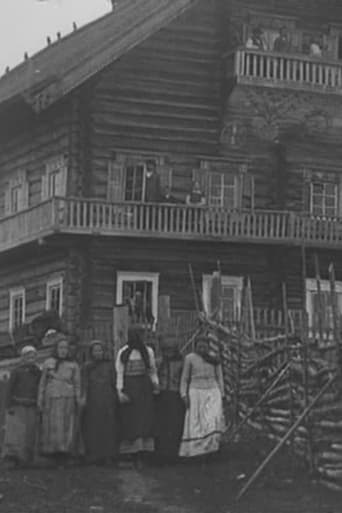
Benjam Trofimov
Actor
- Active
- 1921-1921
Films 1
About Benjam Trofimov
Benjam Trofimov is a highly obscure silent-era screen actor whose surviving film record is extremely limited and whose life details are not well documented in readily available historical sources. He is known from credited involvement in the 1921 production "Karelian Wedding in the Land of the Kalevala," a film tied to the cultural world of Karelia and the Finnish national epic, the Kalevala. Because his name appears in a very narrow surviving filmography, it is likely that he worked in a regional or short-lived early cinema context rather than building a large international screen career. No reliable contemporary biographical record has been identified that confirms his birth date, death date, birthplace, training, or later career. As a result, his historical importance rests primarily on his participation in an early 1920s film associated with folkloric and ethnographic themes rather than on a long list of screen performances. His surviving record nevertheless places him among the many minor performers whose work formed part of the foundation of silent cinema in Northern and Eastern Europe. Further archival research in regional film histories, studio records, or contemporary newspaper references would be necessary to reconstruct a fuller biography.
More about Benjam Trofimov
In film history
Benjam Trofimov's cultural importance lies less in celebrity than in historical context: he is part of the fragile, often incomplete personnel record of early silent cinema, especially regional productions tied to folklore and national identity. His association with a Kalevala-related film suggests participation in a cinematic movement that drew on epic literature, ethnographic imagery, and local traditions to define cultural memory on screen. Even when an actor's individual life is obscure, a credited presence in such a film contributes to the preservation of regional screen heritage and helps scholars map the networks of performers active in early 20th-century cinema. In that sense, Trofimov represents the countless working actors whose names survive without extensive personal documentation but whose performances helped establish the texture of silent-era filmmaking.
Later reputation
Trofimov's legacy is primarily archival and historiographic: he survives as a named participant in an early 1920s film connected to the Kalevala tradition. For film historians, such names are valuable because they document cast participation in productions that may otherwise be poorly preserved or only partially indexed. His legacy also underscores how much early cinema history remains incomplete, especially for regional productions outside the major Hollywood and Western European studio systems. If additional archival material emerges, his contribution may be reassessed, but at present his significance is tied to the preservation of early film credit records.
Influence
There is no documented evidence that Benjam Trofimov directly influenced later actors or directors in a traceable way. His influence, if any, would have been indirect—through participation in early regional filmmaking that contributed to the development of local screen traditions and performance practices. For historians, the importance of such figures is cumulative: together they shaped the acting pool from which later national cinemas evolved.
Off screen
No reliable personal-life information is currently available for Benjam Trofimov in accessible film-reference sources. His family background, marriages, children, education, and later life have not been established from the surviving record. He appears to be one of the many early film performers whose professional trace survives only through a credit listing rather than a fuller biographical dossier.
Credits
- Credited actor in the 1921 film "Karelian Wedding in the Land of the Kalevala"
- Participation in one of the surviving early cinema references connected to Karelian and Kalevala-themed subject matter
- Representation of the many little-documented performers active in regional silent cinema during the early 1920s
Roles
- Role in "Karelian Wedding in the Land of the Kalevala" (1921)
Films
Notes
- Benjam Trofimov is known almost entirely from a single surviving film credit.
- His credited film, "Karelian Wedding in the Land of the Kalevala," points to a folkloric and ethnographic subject matter rather than a mainstream commercial genre.
- No verified birth or death information is readily available in standard film references.
- He appears to have had a very short documented screen career, at least in surviving records.
- His obscurity makes him a typical example of many early silent-era performers whose contributions are preserved only in partial filmographies.
- The Kalevala connection suggests the film likely engaged with Finnish/Karelian cultural heritage.
- His name may require archival verification because early 20th-century spellings and transliterations can vary in historical records.
Questions
Who was Benjam Trofimov?
Benjam Trofimov was a little-documented silent-era actor known from a 1921 film credit. His surviving screen record is extremely limited, so most details of his personal life and career remain unknown.
What films is Benjam Trofimov best known for?
He is best known for "Karelian Wedding in the Land of the Kalevala" (1921). At present, that appears to be the only confirmed film credit associated with him in the available record.
When was Benjam Trofimov born and when did he die?
His birth date and death date are not currently documented in accessible historical sources. Likewise, his birthplace and place of death have not been verified.
What awards did Benjam Trofimov win?
No awards or formal honors are known for Benjam Trofimov. As an obscure early cinema performer, he appears in the record primarily through film credits rather than documented prize recognition.
What was Benjam Trofimov's acting style?
There is no surviving critical description of his acting style. Because he worked in early silent cinema, his performance would likely have depended on expressive physical acting, but that cannot be stated with certainty from the available evidence.
What is Benjam Trofimov's legacy in film history?
His legacy is mainly archival, reflecting the many early film performers whose names survive only in partial credits. He is significant as part of the historical record of regional silent cinema and Kalevala-related screen culture.