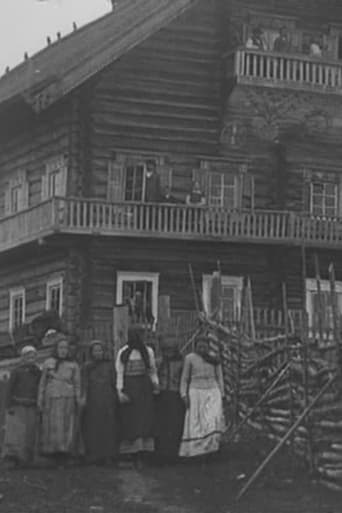
Matjoi Plattonen
Actor
- Active
- 1921-1921
Films 1
About Matjoi Plattonen
Matjoi Plattonen is a little-documented figure from early Finnish cinema whose surviving credit places him in the 1921 silent film "Karelian Wedding in the Land of the Kalevala". Available film-historical sources indicate that he was active, at least briefly, during the silent era, but they do not preserve a substantial biographical record, making him one of many early Scandinavian screen personalities whose work is known more through filmographies than through personal archives. Because no reliable contemporary biographical sources have surfaced, details such as his life before film, training, and later career remain obscure. His name is preserved primarily through the historical record of that early production, which is significant as part of the broader cultural effort to translate Finnish/Karelian folklore and national identity into cinema. As a result, Plattonen is best understood as a minor but historically relevant participant in the formation of Finnish silent film culture rather than as a star with an extensive surviving public career. The absence of further credits may reflect the fragility of silent-era records, the limited production environment of early Finnish filmmaking, or the possibility that he worked briefly and then left the screen. For database purposes, he should be treated as an early film actor known from a single documented appearance unless additional archival evidence emerges.
More about Matjoi Plattonen
On screen
No direct critical descriptions of Matjoi Plattonen's acting style survive in accessible sources. Given the conventions of 1921 silent cinema, his performance would almost certainly have relied on expressive physical gesture, pantomime, and visually legible reaction rather than spoken dialogue. Any assessment beyond that would be speculative, because no reviews, production notes, or surviving performance analyses have been reliably documented.
In film history
Matjoi Plattonen's cultural importance lies less in celebrity than in historical representation: he is part of the fragile, early record of Finnish silent cinema, a period when national film production was still defining its themes, personnel, and audiences. His documented participation in a folkloric or culturally nationalistic project connects him to a broader Scandinavian tendency to adapt literary and mythic heritage for the screen. Even when individual performers are obscure, their credits help scholars reconstruct the collaborative networks that made early cinema possible. In that sense, Plattonen contributes to the preservation of Finnish film heritage simply by being named in the surviving record.
Later reputation
Plattonen's legacy is archival rather than star-driven. He is remembered, insofar as he is remembered at all, as a named participant in one of the early silent-era productions that helped establish the visual language of Finnish film culture. For historians, names like his are valuable because they document the breadth of participation in early productions and help anchor surviving filmographies. His lasting significance is therefore as a traceable figure in the genealogy of Scandinavian silent cinema, not as a widely celebrated performer.
Influence
There is no evidence that Matjoi Plattonen directly influenced later actors or directors in a documented, traceable way. His influence is indirect and historical: by participating in an early national film, he belonged to the generation whose work formed the foundation on which later Finnish filmmakers built. In broader terms, such early contributors helped normalize locally rooted stories and folklore as legitimate screen material. However, no specific artistic lineage can be confidently attributed to him.
Off screen
No reliable public information about Matjoi Plattonen's personal life has been identified in standard film references. There is no confirmed record of marriages, children, residence, or other family details in the available material. This is common for minor silent-era performers, especially in smaller national industries where documentation was not consistently preserved. Any further claims about his private life would be unsubstantiated.
Education
No verified information about his education is currently available.
Credits
- Appeared in the 1921 silent film "Karelian Wedding in the Land of the Kalevala"
- Represents one of the early screen performers associated with the formative years of Finnish cinema
- Connected to a production drawing on Karelian and Kalevala-inspired cultural material
- Part of the historically important silent-era effort to build a national cinematic identity in Finland
Roles
- Role in "Karelian Wedding in the Land of the Kalevala" (1921)
Films
Notes
- He is credited with only a single known film appearance in surviving mainstream film references.
- His known screen work dates entirely to the silent era, before synchronized sound transformed cinema.
- The title of his only known film reflects a strong connection to Finnish/Karelian folklore and national identity.
- Because documentation is sparse, he is an example of how many early film performers survive in history chiefly through cast lists.
- There are no widely accessible biographical records confirming his birth or death dates.
- His name is sometimes of interest to researchers precisely because so little else is known about him.
Questions
Who was Matjoi Plattonen?
Matjoi Plattonen was a Finnish silent-era actor known from the 1921 film "Karelian Wedding in the Land of the Kalevala." He appears to have had a very limited screen career, and surviving records preserve little beyond that credit. He is best understood as a historical figure from the formative period of Finnish cinema.
What films is Matjoi Plattonen best known for?
He is best known for "Karelian Wedding in the Land of the Kalevala" (1921), which is the only reliably documented film credit currently associated with him. No other confirmed film appearances are widely available in standard references. As a result, his screen legacy is tied to that single early silent production.
When was Matjoi Plattonen born and when did he die?
At present, no reliable public record has been identified for his birth date or death date. The available film-historical information confirms only his presence in a 1921 production. This lack of personal data is common for lesser-known silent-era performers.
What awards did Matjoi Plattonen win?
There are no known awards or recorded nominations associated with Matjoi Plattonen. Early silent-era performers from smaller national cinemas were often not formally honored in the way later Hollywood figures were. His historical importance rests on his participation in early Finnish film rather than on awards recognition.
What was Matjoi Plattonen's acting style?
No contemporary criticism or detailed performance analysis of his acting style has been found. Since he worked in a 1921 silent film, his performance would have depended on visual expression, gesture, and pantomime typical of the era. Beyond that, any description would be speculative.
Why is Matjoi Plattonen important to film history?
He is important as part of the surviving record of early Finnish cinema, especially because his only known credit connects him to a film rooted in Kalevala and Karelian cultural themes. Even obscure performers help historians reconstruct the cast lists and production networks of silent-era national filmmaking. His presence in the record makes him a small but meaningful part of film history.