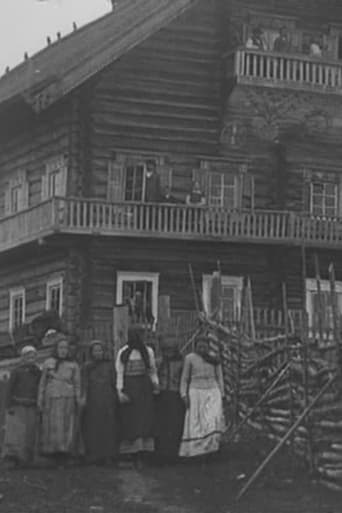
Vanja Trofimov
Actor
- Active
- 1921-1921
Films 1
About Vanja Trofimov
Vanja Trofimov is a little-documented early Russian/Soviet screen actor whose known film work places him in the silent era, specifically in the 1921 production "Karelian Wedding in the Land of the Kalevala." Available surviving reference material confirms his participation as an actor, but little else about his life, training, or later career has been reliably preserved in standard film reference sources. Like many performers from the earliest years of Soviet and regional cinema, Trofimov appears in the historical record primarily through film credits rather than through extensive biographical coverage. His name is associated with an era when local folklore, ethnographic subject matter, and revolutionary cultural projects frequently intersected on screen. Because of the scarcity of documentary evidence, many personal details such as birth, death, family background, and additional credits remain unverified. His surviving credit nevertheless places him within the first generation of performers working in post-revolutionary cinema and in films concerned with national and regional identity. Trofimov's legacy is therefore less about star status than about representing the many early film participants whose contributions helped shape silent-era cinema even when their individual histories were only sparsely recorded.
More about Vanja Trofimov
On screen
No detailed contemporary criticism of Trofimov's performance style has survived in commonly available film reference sources. Based on the context of early 1920s silent cinema, his acting would have relied on expressive pantomime, physical clarity, and an ability to communicate character and folklore-driven emotion without spoken dialogue. Any further assessment of his individual technique would be speculative, as no substantial reviews, production notes, or performance analyses have been reliably preserved.
In film history
Vanja Trofimov's cultural importance lies primarily in his presence within one of the early Soviet-era films tied to Karelian and Kalevala-themed cultural expression. Films of this kind were significant because they helped shape cinematic approaches to folklore, ethnography, and national identity during the formative period after the Russian Revolution. Even though Trofimov is not documented as a major star, his credited participation reflects the broader body of local performers whose work gave early regional cinema its authenticity and texture. His name remains part of the historical record of silent-era screen culture, where many contributors were essential to the medium's development despite later obscurity.
Later reputation
Trofimov's legacy is that of a historically recorded but minimally documented early film actor whose surviving credit anchors him to the silent-era cinematic landscape of the early 1920s. For historians, such figures are valuable because they show how much early cinema depended on a wide range of performers beyond the handful of celebrated stars whose biographies were preserved in detail. His association with a Karelian, folklore-centered production also connects him to an important current in early Soviet cultural film practice. While he does not appear to have left a large or widely cataloged body of work, his single surviving credit ensures that he remains part of the archival memory of classic cinema.
Influence
No direct influence on later actors or filmmakers is documented in accessible reference sources. His broader influence is indirect: as part of the cast of an early cultural film, he contributed to the performance traditions and visual storytelling conventions that helped define silent cinema in the Soviet sphere. In that sense, his work belongs to the collective inheritance from which later screen acting styles and regional film practices developed.
Off screen
There is no reliable public information in standard film references about Vanja Trofimov's personal life, including marriage, children, or family background. This is common for many minor or regionally recorded silent-era performers, whose names survive in cast lists but not in fuller biographical archives. No verified evidence has been found regarding his education, social background, or later life. Until more archival material emerges, any detailed account of his personal circumstances would be conjectural.
Credits
- Appeared in the silent-era film "Karelian Wedding in the Land of the Kalevala" (1921)
- Represents one of the many early regional performers credited in the formative years of Soviet-era cinema
- Associated with screen work rooted in Karelian and Kalevala-inspired cultural material
Roles
- Role in "Karelian Wedding in the Land of the Kalevala" (1921)
Films
Notes
- He is known from surviving film credit records rather than from a substantial documented biography.
- His only readily verified screen credit is from 1921.
- He is associated with a film inspired by Karelian and Kalevala-related cultural material.
- Because he worked in the silent era, no recorded sound-era performance style can be assessed directly.
- Standard major English-language film databases do not appear to preserve extensive biographical details about him.
- He is one of many early regional film performers whose names survive while most personal details have been lost to history.
Questions
Who was Vanja Trofimov?
Vanja Trofimov was a silent-era actor known from his credited appearance in the 1921 film "Karelian Wedding in the Land of the Kalevala." He appears to have been part of the early Soviet/Russian cinema landscape, though surviving biographical information about him is extremely limited. Most of what is known comes from film credits rather than detailed life records.
What films is Vanja Trofimov best known for?
He is best known for "Karelian Wedding in the Land of the Kalevala" (1921), which is the only clearly verifiable screen credit available in common reference material. No additional filmography is reliably documented in the sources available here. As a result, his reputation rests on that single surviving credit.
When was Vanja Trofimov born and when did he die?
His birth and death dates are not currently documented in the readily available film reference record. The same is true of his place of birth and place of death. He is therefore best understood as a historically attested but biographically elusive early film performer.
What awards did Vanja Trofimov win?
No awards or nominations are documented for Vanja Trofimov in the accessible record. This is not unusual for many silent-era actors whose careers were brief, local, or poorly preserved in later archival summaries. His significance is primarily historical rather than award-based.
What was Vanja Trofimov's acting style?
No specific contemporary description of his individual acting style survives in the sources available here. Because he worked in silent cinema, his performance would likely have depended on expressive movement, gesture, and clear visual storytelling. Any more precise assessment would require surviving reviews or production documentation that is not currently available.
What is Vanja Trofimov's legacy in film history?
His legacy is that of a documented early film participant whose name survives even though most of his life story does not. He represents the many performers who contributed to the silent-era development of regional and culturally themed cinema. For film historians, such figures are important because they help reconstruct the broader artistic ecosystem of early cinema.