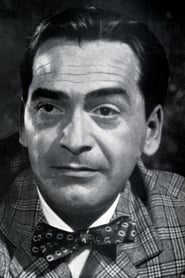
Andrea Checchi
Actor
Born: October 21, 1916 in Florence, Italy Died: March 31, 1974 Active: 1938-1974
Films
1 film
About Andrea Checchi
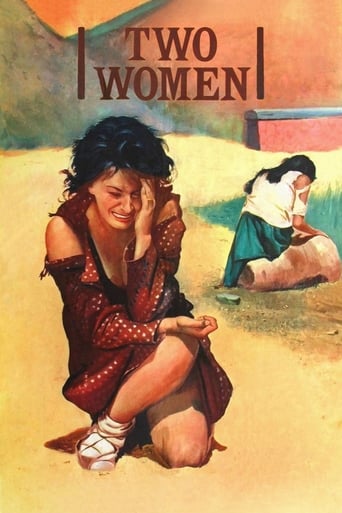
Prolific Italian character actor: over three decades in Italian cinema, beginning in the late 1930s and continuing until his death in 1974. Born in Florence, he initially studied law before discovering his passion for acting and attending Rome's prestigious Accademia d'Arte Drammatica. Checchi made his film debut in 1938 and quickly established himself as a reliable supporting actor, appearing in more than 150 films throughout his career. He worked with many of Italy's most celebrated directors, including Vittorio De Sica, Michelangelo Antonioni, and Luchino Visconti. His performance in De Sica's 'Two Women' (1960) alongside Sophia Loren remains one of his most internationally recognized roles. Checchi was particularly adept at playing authority figures, professionals, and working-class characters, bringing authenticity and depth to every role. His final years saw continued activity in film and television until his death from a heart attack in 1974 at age 58.
The Craft
On Screen
Checchi was known for his naturalistic, understated acting style that brought authenticity to every character he portrayed. He excelled at playing ordinary men with extraordinary depth, often portraying professionals, authority figures, or working-class individuals with remarkable believability. His technique emphasized subtle facial expressions and body language rather than theatrical gestures, making him perfectly suited for Italian neorealism. Checchi had a particular talent for conveying complex emotions through minimal means, allowing audiences to connect with his characters on an emotional level.
Milestones
- Film debut in 'Il suo destino' (1938)
- Breakthrough role in 'Four Steps in the Clouds' (1942)
- Critical acclaim in 'Shoeshine' (1946)
- International recognition in 'Two Women' (1960)
- Collaboration with Michelangelo Antonioni on 'The Cry' (1957)
- Over 150 film appearances throughout his career
Best Known For
Iconic Roles
Must-See Films
Accolades
Won
- Silver Ribbon for Best Supporting Actor (Nastro d'Argento)
Nominated
- Multiple Italian film award nominations throughout his career
Special Recognition
- Recognition as one of Italy's most prolific character actors
- Posthumous tributes in Italian cinema retrospectives
Working Relationships
Worked Often With
Studios
Why They Matter
Impact on Culture
Andrea Checchi played a significant role in the golden age of Italian cinema, particularly during the neorealist movement of the 1940s and 1950s. His performances helped define the authentic, everyday characterizations that became hallmarks of Italian neorealism. Checchi's ability to embody ordinary Italian men with dignity and complexity contributed to the international success and critical acclaim of Italian cinema during this period. His work in films like 'Shoeshine' and 'Two Women' helped introduce global audiences to the realities of post-war Italian life through compelling human stories.
Lasting Legacy
Andrea Checchi's legacy endures through his extensive body of work that spans virtually every important movement in post-war Italian cinema. He is remembered as one of Italy's most reliable and versatile character actors, capable of elevating any material through his committed performances. Film historians and cinephiles recognize Checchi as an essential component of the Italian film industry's golden age, whose contributions, while often unheralded, were integral to the success of many classic films. His naturalistic acting style influenced subsequent generations of Italian actors who sought to bring authenticity to their performances.
Who They Inspired
Checchi influenced younger Italian actors through his commitment to naturalistic performance and his professional work ethic. His approach to character acting, emphasizing subtlety and authenticity over theatricality, became a model for subsequent generations of Italian character actors. Many actors who emerged in the 1960s and 1970s cited Checchi's performances as examples of how to bring depth to supporting roles. His collaboration with Italy's most important directors helped establish standards for professional behavior and artistic dedication on Italian film sets.
Off Screen
Andrea Checchi was married to actress Carla Brait and maintained a relatively private personal life despite his public career. He was known among colleagues as a dedicated professional who took his craft seriously but maintained a humble demeanor off-screen. Checchi balanced his prolific film career with family life in Rome, where he lived for most of his adult life. His sudden death from a heart attack in 1974 shocked the Italian film community, which had come to rely on his consistent presence in their productions.
Education
Studied law before attending Accademia d'Arte Drammatica in Rome
Family
- Carla Brait
Did You Know?
- Appeared in over 150 films during his 36-year career
- Originally studied law before pursuing acting
- Worked with virtually every major Italian director of his era
- Was part of the ensemble cast in 'Two Women' that won Sophia Loren an Academy Award
- His performance in 'Shoeshine' was part of the first foreign-language film to win an honorary Academy Award
- Often played professionals like doctors, lawyers, and government officials
- Was a regular presence at Cinecittà Studios throughout its golden age
- His career coincided with Italy's transition from neorealism to more commercial cinema
- Never received top billing but was considered one of Italy's most valuable supporting actors
- Died suddenly of a heart attack while still actively working in film and television
In Their Own Words
Acting is not about being someone else, but about finding the part of yourself that connects to the character
In neorealism, we don't act - we react to life as it presents itself
Every character, no matter how small, deserves the same respect and preparation
Frequently Asked Questions
Who was Andrea Checchi?
Screen credits include over 150 films between 1938 and 1974. He was particularly prominent during the golden age of Italian cinema and the neorealist movement, working with directors like Vittorio De Sica and Michelangelo Antonioni.
What films is Andrea Checchi best known for?
Titles linked here include Two Women (1960), Shoeshine (1946).
When was Andrea Checchi born and when did he die?
Born October 21, 1916; died March 31, 1974.
What awards did Andrea Checchi win?
Checchi won a Silver Ribbon (Nastro d'Argento) for Best Supporting Actor and received multiple nominations for Italian film awards throughout his career. While never receiving major international awards, he was widely respected within the Italian film industry.
What was Andrea Checchi's acting style?
Checchi was known for his naturalistic, understated acting style that emphasized authenticity over theatricality. He excelled at playing ordinary characters with depth and realism, making him perfectly suited for Italian neorealist films where he often portrayed working-class individuals and professionals.