Films
1 film
About Sergei Golovin
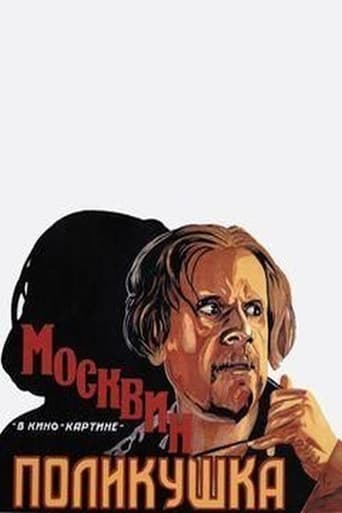
Soviet actor who emerged during the formative years of Russian cinema following the Bolshevik Revolution. His career appears to have been brief but significant, coinciding with the birth of Soviet cinematic art in the early 1920s. Golovin's sole known film appearance was in 'Polikushka' (1922), an important early Soviet adaptation of Leo Tolstoy's work directed by Alexander Sanin. This film was among the first major literary adaptations produced by the new Soviet state and represented an important step in establishing Soviet cinema as an artistic medium. While details about his broader career remain scarce, his participation in this landmark production places him among the actors of the Soviet silent era. The film itself was notable for its realistic portrayal of peasant life and its departure from the more theatrical style of pre-revolutionary Russian cinema. Golovin's contribution, though limited to this single known work, represents the collaborative effort of artists who helped shape the foundations of Soviet film culture during its nascent period.
The Craft
On Screen
Likely representative of the transitional style from theatrical to cinematic acting in early Soviet cinema, emphasizing realistic character portrayal over the exaggerated gestures common in earlier Russian film
Milestones
- Starred in 'Polikushka' (1922), one of the first major Soviet literary adaptations
Best Known For
Iconic Roles
Must-See Films
Working Relationships
Worked Often With
Studios
Why They Matter
Impact on Culture
Sergei Golovin's contribution to cinema, though limited to a single known film, represents the collective effort of actors who participated in establishing Soviet cinema as a distinct artistic medium. 'Polikushka' was significant as one of the first major literary adaptations produced by the Soviet state, helping to establish the tradition of adapting classic Russian literature for the screen. The film's realistic approach to portraying peasant life and social themes aligned with the new Soviet ideology of creating cinema for and about the working class. Golovin, as part of this effort, contributed to the development of a uniquely Soviet cinematic language that would later be refined by master directors like Eisenstein and Pudovkin.
Lasting Legacy
While Sergei Golovin may not be widely remembered in film history, his participation in 'Polikushka' places him among the foundational actors of Soviet cinema. The film itself holds historical importance as an early example of Soviet cinematic art and literary adaptation. His work, like that of many early film actors, shows the collaborative nature of cinema's development and the numerous contributors who helped shape the medium during its formative years. The legacy of actors from this period lives on through the preservation of their films and the historical understanding of how Soviet cinema evolved from its revolutionary beginnings.
Who They Inspired
As an actor from the very early period of Soviet cinema, Sergei Golovin's direct influence on subsequent generations of actors is difficult to trace. However, his participation in establishing realistic acting styles in early Soviet films contributed to the broader movement away from theatrical acting toward more naturalistic performance styles that would become characteristic of Soviet cinema. The work of actors like Golovin helped pave the way for the more sophisticated acting techniques that would emerge in Soviet cinema during the 1920s and 1930s.
Off Screen
Very little is documented about Sergei Golovin's personal life, which was common for many early Soviet actors whose careers were brief and occurred before comprehensive film industry record-keeping was established.
Did You Know?
- 'Polikushka' (1922) was based on a short story by Leo Tolstoy and was one of the first major literary adaptations in Soviet cinema
- The film was directed by Alexander Sanin, who was also a prominent theater director
- Golovin's career appears to have been confined to the single year of 1922, making him a representative of the many actors who briefly participated in early Soviet film production
- The film 'Polikushka' was produced during the early years of the Soviet state's involvement in cinema, before the establishment of major film studios like Mosfilm
- Early Soviet actors like Golovin often came from theater backgrounds, as the film industry was still developing its own training methods and star system
- The preservation status of 'Polikushka' and the visibility of individual performances like Golovin's may be limited, which is common for films from this early period
Frequently Asked Questions
Who was Sergei Golovin?
Soviet with credits in this catalog.
What films is Sergei Golovin best known for?
Titles linked here include Polikushka (1922).
When was Sergei Golovin born and when did he die?
Specific birth and death dates for Sergei Golovin are not documented in available historical records, which is common for many early Soviet actors whose careers were brief and occurred before comprehensive film industry documentation was established.
What awards did Sergei Golovin win?
There are no documented awards or honors for Sergei Golovin, which is typical for actors from the very early period of Soviet cinema when formal award systems for film achievements had not yet been established.
What was Sergei Golovin's acting style?
While specific details about his acting style are not extensively documented, Golovin likely represented the transitional style from theatrical to cinematic acting common in early Soviet cinema, emphasizing more realistic character portrayal over the exaggerated gestures of earlier Russian film.
Why is Sergei Golovin significant in film history?
Sergei Golovin is significant as one of the actors of early Soviet cinema who participated in establishing the foundation of Soviet film art through his work in 'Polikushka,' an important early literary adaptation that helped shape Soviet cinematic traditions.