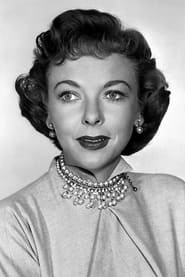
Ida Lupino
Director
Born: February 4, 1918 in London, England, United Kingdom Died: August 3, 1995 Active: 1923-1984
Films
1 film
About Ida Lupino
British-born actress, director, writer, and producer who became multi-hyphenate figures in classical Hollywood. Born into an entertainment family in London, she began performing as a child and entered films in the 1930s, quickly becoming known in Hollywood for her tough, emotionally complex performances. After establishing herself as a respected actress in melodramas and noir-adjacent pictures, she moved behind the camera in the late 1940s and became one of the very few women to direct in the American studio system during the classic era. Her films often dealt with taboo or socially urgent subjects such as rape, out-of-wedlock pregnancy, bigamy, disability, and abduction, and she favored spare, economical storytelling that emphasized character psychology and moral tension. As a director, she worked independently and with her own production company, making low-budget films that displayed remarkable efficiency and a strong humanist edge. Lupino also directed for television, building an extensive later career as one of the medium’s most versatile early female directors. She remained active into the 1970s and is remembered as a trailblazer whose career bridged acting stardom and socially conscious filmmaking.
The Craft
Behind the Camera
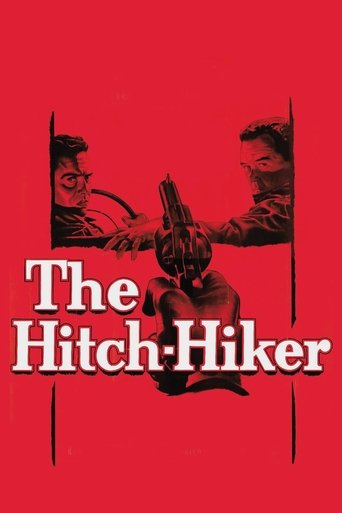
As a director, Lupino favored lean, practical, low-budget filmmaking with a focus on clarity, pace, and character-driven suspense. She often tackled controversial or socially relevant topics with a restrained, almost documentary-like realism, avoiding melodramatic excess in favor of emotional honesty. Her style in The Hitch-Hiker and her other best-known films is notable for stark location work, efficient storytelling, atmospheric tension, and an ability to turn modest means into vivid dramatic intensity.
Milestones
- Became a child performer in Britain and entered motion pictures in the 1930s before transitioning to Hollywood stardom
- Established herself as one of Warner Bros.' most distinctive dramatic actresses in the late 1930s and 1940s
- Co-founded an independent production company and became one of the first women to direct major American sound-era films
- Directed The Hitch-Hiker (1953), widely regarded as a landmark of American film noir and one of the classic era's most effective thrillers
- Directed socially daring films such as Outrage, Hard, Fast and Beautiful, The Bigamist, and Never Fear
- Became a respected television director, working extensively in anthology and series television during the 1950s through 1970s
- Was honored with a star on the Hollywood Walk of Fame and later recognized as a major pioneer for women filmmakers
Best Known For
Iconic Roles
Must-See Films
Accolades
Won
- Hollywood Walk of Fame star for contributions to motion pictures and television
- Recognized as one of the first prominent women directors in American film history
- Directorial work later celebrated by critics, historians, and film institutions for its importance
Nominated
- No major competitive Academy Award nomination is firmly associated with Ida Lupino as either an actress or director
Special Recognition
- Hollywood Walk of Fame star
- Retrospective critical acclaim as a woman filmmaker
- Inducted into the national conversation on women in film history and classic Hollywood auteurs
Working Relationships
Worked Often With
Studios
Why They Matter
Impact on Culture
Ida Lupino's cultural impact is enormous because she broke through. Her work as both star and filmmaker made her a rare figure who understood the industry from inside the studio system while also challenging it from within. She helped normalize the idea that women could direct commercially viable genre films and could address difficult social issues without losing dramatic momentum or audience appeal. Her films also anticipated later independent cinema by embracing low-budget resourcefulness, moral seriousness, and subject matter that major studios often avoided. As a performer, she contributed a memorable screen persona that redefined femininity in Hollywood away from polished glamour and toward strength, intelligence, and emotional realism.
Lasting Legacy
Lupino's legacy rests on her dual achievement as an actress of distinctive power and as a groundbreaking director whose career expanded the possibilities for women in American film. She is now routinely cited as one of the first truly important female auteurs in Hollywood, especially because she directed at a time when such opportunities were exceptionally rare. Her films remain studied for their feminist implications, social daring, and formal economy, and The Hitch-Hiker is frequently singled out as a classic of noir suspense. In the broader history of cinema, she stands as a precursor to later generations of women filmmakers who fought for creative authority in a male-dominated industry. Her career continues to inspire reassessment because it demonstrates that artistic influence in classic Hollywood was not limited to the most publicly celebrated male directors. She remains an essential figure in the history of both women in film and American independent production.
Who They Inspired
Lupino influenced later directors by proving that stripped-down, independent filmmaking could still be commercially and critically potent. Her willingness to address subjects such as sexual violence, disability, and social stigma helped clear a path for later filmmakers interested in realism and women-centered stories. She also influenced performers through her acting persona, which suggested that female characters could be strong, unsentimental, and emotionally layered without losing audience sympathy. In film history, she is often invoked as a model for women who sought to move from acting into directing and producing, showing that creative control could be achieved even within restrictive studio-era conditions.
Off Screen
Ida Lupino came from a theatrical family, being the daughter of actress Connie O'Shea and music-hall performer Stanley Lupino, and she was part of a long line of entertainers. She was married multiple times and her personal life was often complex, though she maintained a professional image centered on work rather than publicity. She was known to be fiercely independent, and that independence shaped both her career choices and her move into directing and producing. Her family background, transatlantic upbringing, and lifelong immersion in show business helped make her unusually adaptable in both British and American entertainment industries.
Education
She was educated in London and trained early for performance rather than through a conventional university path. Her schooling was closely tied to her family’s theatrical world, and she entered acting as a child.
Family
- Louis Hayward (1938-1945)
- Collier Young (1951-1956)
- Howard Duff (1951-1984)
Did You Know?
- She was often described as the 'poor man's Bette Davis' early in her career, though she developed a screen identity all her own.
- Lupino was one of the very few women to direct theatrical features in Hollywood during the 1940s and 1950s.
- She directed The Hitch-Hiker, often cited as the only classic-era Hollywood film noir directed by a woman.
- Her independent production company, The Filmakers, allowed her to control subject matter that major studios would likely have rejected.
- She directed both film and television, making her.
- Her films frequently focused on women facing social judgment or personal crisis, reflecting a strong concern with empathy and realism.
- She had an extensive television career as an actress and director after her theatrical film work.
- She came from a family with deep roots in performance, which helped launch her career at an unusually young age.
- She was known for working efficiently and completing films on modest schedules and budgets.
- Her on-screen persona often combined toughness with emotional fragility, making her especially effective in noir and melodrama
In Their Own Words
I didn't set out to be a pioneer. I just wanted to make the pictures I believed in.
Quote widely attributed to her in discussions of her career as a filmmaker; wording varies by source.
Her work is often summarized by critics as showing that a woman could direct with firmness, economy, and moral intelligence.
Frequently Asked Questions
Who was Ida Lupino?
British-born actress, on YTB.my. She is remembered both for her tough, emotionally complex screen performances and for breaking barriers as a female film director in the studio era.
What films is Ida Lupino best known for?
Titles linked here include The Hitch-Hiker (1953), Outrage (1950).
When was Ida Lupino born and when did she die?
Born February 4, 1918; died August 3, 1995.
What awards did Ida Lupino win?
She did not receive a major competitive Academy Award, but she was honored with a star on the Hollywood Walk of Fame and later received widespread retrospective recognition as a filmmaker. Her greatest honors are historical and critical, reflecting her importance in film history.
What was Ida Lupino's acting and directing style?
As an actress, she was known for intensity, toughness, and emotional realism, often playing women under strain or in moral conflict. As a director, she used spare, efficient storytelling and focused on socially significant subjects with restraint and clarity.
Why is Ida Lupino important in film history?
She is important because she was one of the very few women to direct feature films in classic Hollywood and because her work tackled taboo subjects with unusual honesty. Her career expanded the possibilities for women both in front of and behind the camera.