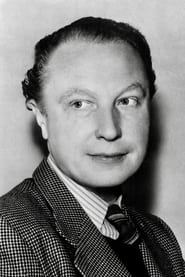
Douglas Sirk
Director
Born: April 26, 1897 in Hamburg, Germany Died: January 14, 1987 Active: 1934-1959 Birth Name: Hans Detlef Sierck
Films
1 film
About Douglas Sirk
Douglas Sirk, born Hans Detlef Sierck, was a German film director who became renowned for his visually stunning and emotionally charged melodramas during Hollywood's Golden Age. After establishing himself as a successful director in German cinema during the 1930s, Sirk fled Nazi Germany in 1937 and eventually made his way to Hollywood, where he began directing under the name Douglas Sirk. His American period, particularly his work at Universal Studios in the 1950s, produced some of cinema's most sophisticated critiques of American suburban life, disguised as glossy melodramas. Sirk's films were characterized by their vibrant Technicolor cinematography, meticulous composition, and subversive social commentary hidden beneath seemingly conventional narratives. After retiring from filmmaking in 1959, Sirk's reputation experienced a remarkable renaissance in the 1970s when critics and filmmakers recognized the profound artistic and social significance of his work. His influence can be seen in the works of directors like Rainer Werner Fassbinder, Pedro Almodóvar, and Todd Haynes, who have all cited Sirk as a major influence on their own approaches to melodrama and social critique.
The Craft
Behind the Camera
Douglas Sirk was known for his distinctive visual style characterized by bold use of Technicolor, meticulous composition, and symbolic mise-en-scène. His directing approach involved creating visually stunning frames where every element—from color schemes to set design—served to reinforce the emotional and thematic content of his films. Sirk employed techniques such as mirrors, reflections, and carefully arranged props to create layers of meaning beneath the surface narratives. His camera work was often fluid and expressive, using techniques like tracking shots and dramatic angles to heighten emotional impact while maintaining a certain emotional distance that allowed for critical observation of the characters and situations.
Milestones
- Established successful career in German cinema before fleeing Nazi regime
- Directed acclaimed German films including 'Zu neuen Ufern' (1937) and 'La Habanera' (1937)
- Signed contract with Universal Pictures in 1950
- Created signature melodramas that critiqued American society in the 1950s
- Experienced major critical renaissance in the 1970s
- Influenced generations of filmmakers with his visual style and social commentary
Best Known For
Must-See Films
Accolades
Won
- Academy Award for Best Supporting Actress - Dorothy Malone for Written on the Wind (1956)
- National Film Board of Canada Award - A Time to Love and a Time to Die (1958)
- German Film Award - La Habanera (1937)
Nominated
- Academy Award nomination for Best Supporting Actress - Lauren Bacall for Written on the Wind (1956)
- Academy Award nomination for Best Supporting Actor - Robert Stack for Written on the Wind (1956)
- Academy Award nomination for Best Writing - George Zuckerman for Written on the Wind (1956)
- Academy Award nomination for Best Supporting Actress - Juanita Moore for Imitation of Life (1959)
- Golden Globe nomination for Best Director - Imitation of Life (1959)
- Directors Guild of America nomination for Outstanding Directorial Achievement - Imitation of Life (1959)
Special Recognition
- Films preserved in the National Film Registry
- Retrospective exhibitions at Museum of Modern Art and major film archives
- Recognition as major influence by contemporary filmmakers
- Multiple films included in the Criterion Collection
- Honored at film festivals worldwide including Cannes and Berlin
Working Relationships
Worked Often With
Studios
Why They Matter
Impact on Culture
Douglas Sirk's films revolutionized the melodrama genre, transforming what was considered 'women's pictures' into sophisticated critiques of American society. His work exposed the hypocrisy beneath the surface of post-war American prosperity, addressing themes of racism, class consciousness, and the repression of desire. Sirk's visual style and thematic concerns anticipated many of the social upheavals of the 1960s, making his films remarkably prescient. The rediscovery of his work in the 1970s coincided with the rise of feminist film theory and academic interest in popular cinema, leading to his recognition as one of cinema's great auteurs. His films became touchstones for discussions about how popular entertainment could contain subversive social commentary.
Lasting Legacy
Douglas Sirk's legacy lies in his transformation of commercial melodrama into high art, proving that popular entertainment could contain profound social commentary and aesthetic innovation. His films are now studied in film schools worldwide as examples of how visual style can reinforce thematic content. Sirk's influence extends beyond cinema to fashion, art, and popular culture, with his distinctive color palettes and visual compositions inspiring contemporary artists and designers. The term 'Sirkian' has entered the critical vocabulary to describe a particular approach to melodrama characterized by visual excess and emotional intensity masking social critique. His films continue to be rediscovered by new generations, cementing his status as one of cinema's most important and influential directors.
Who They Inspired
Sirk's influence on subsequent generations of filmmakers is immeasurable. Rainer Werner Fassbinder explicitly remade 'All That Heaven Allows' as 'Ali: Fear Eats the Soul,' while Pedro Almodóvar's vibrant melodramas owe a clear debt to Sirk's visual style and emotional intensity. Todd Haynes' 'Far From Heaven' is a direct homage to Sirk's work, attempting to recreate both his visual aesthetic and his approach to social commentary. Contemporary directors continue to draw inspiration from Sirk's ability to combine commercial appeal with artistic innovation and social relevance. His work has influenced not only filmmakers but also photographers, fashion designers, and visual artists who appreciate his mastery of color and composition.
Off Screen
Douglas Sirk was married three times and had a complex personal life that paralleled the emotional drama of his films. His first marriage to actress Lydia Brincken ended in divorce, during which time he also had relationships with other women. His second marriage was to actress Hilde Jary, with whom he had a son, but this marriage also ended in divorce. In 1956, Sirk married his third wife, Italian actress Elisabeth Szmeter, with whom he remained until his death. Sirk's personal experiences with love, loss, and societal expectations deeply influenced his filmmaking, infusing his melodramas with authentic emotional resonance.
Education
Sirk studied law at the University of Munich but was drawn to theater and film, eventually abandoning his legal studies to pursue a career in the arts. He also studied art history and developed a deep appreciation for visual aesthetics that would later inform his distinctive directorial style. He received theatrical training in Hamburg and worked as a stage director before transitioning to film.
Family
- Lydia Brincken (1926-1936, divorced)
- Hilde Jary (1937-1954, divorced)
- Elisabeth Szmeter (1956-1987, until his death)
Did You Know?
- Douglas Sirk was originally named Hans Detlef Sierck and only adopted his English name after moving to America
- He fled Nazi Germany in 1937, partly because his second wife Hilde Jary was Jewish
- His son from his second marriage, Klaus, died fighting for the German army on the Eastern Front during WWII
- Sirk was virtually forgotten after his retirement until a 1972 retrospective in Hamburg revived interest in his work
- He was color blind, which makes his masterful use of Technicolor even more remarkable
- Despite his reputation as a director of 'women's pictures,' Sirk was deeply intellectual and well-read in philosophy and literature
- He retired from filmmaking at the height of his career, never directing another film after Imitation of Life
- Sirk lived in Switzerland for the final decades of his life, rarely giving interviews about his Hollywood career
- His films were initially dismissed by critics as sentimental melodramas but are now considered masterpieces of cinematic art
- Quentin Tarantino has cited Sirk as one of his favorite directors
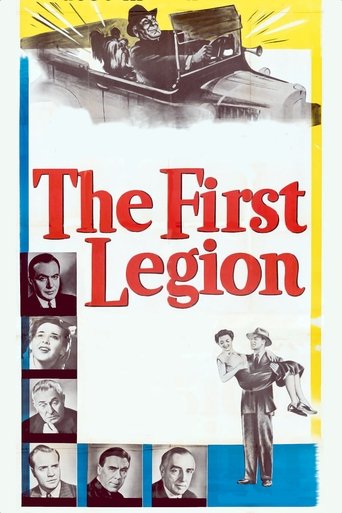
- The First Legion (1951) was one of his early American films that helped establish his reputation in Hollywood
- He was known for his meticulous attention to detail, often spending hours on set design and color coordination
In Their Own Words
You have to show the world as it is, but you also have to show it as it should be.
Melodrama is a very special form of art. It's not realistic, but it's truth.
I made melodramas because I wanted to show the truth about American life.
The camera is my weapon against hypocrisy.
In Technicolor, you can paint with emotions.
I was always interested in the contrast between what people say and what they really mean.
My films are not about what they appear to be about.
The most important thing in cinema is to create a world that people can believe in, even if it's not real.
Frequently Asked Questions
Who was Douglas Sirk?
German-American on YTB.my. Born Hans Detlef Sierck in Germany, he fled the Nazi regime and established himself in Hollywood, where he created masterpieces like 'All That Heaven Allows' and 'Imitation of Life' that disguised sharp social commentary within glossy entertainment.
What films is Douglas Sirk best known for?
Titles linked here include All That Heaven Allows (1955), Written on the Wind (1956).
When was Douglas Sirk born and when did he die?
Born April 26, 1897; died January 14, 1987.
What awards did Douglas Sirk win?
While Sirk himself didn't receive major awards during his career, his films earned recognition including an Academy Award for Best Supporting Actress for Dorothy Malone in 'Written on the Wind.' His legacy has been honored through retrospectives, film preservation efforts, and his induction into the pantheon of cinema's most influential directors.
What was Douglas Sirk's directing style?
Sirk's directing style combined lush Technicolor visuals, meticulous composition, and symbolic mise-en-scène to create emotionally powerful melodramas with hidden social commentary. He used techniques like mirrors, reflections, and carefully arranged props to add layers of meaning beneath conventional narratives, making his films both entertaining and intellectually stimulating.
Why did Douglas Sirk stop making films?
Sirk retired from directing after 'Imitation of Life' in 1959, choosing to leave Hollywood at the height of his critical and commercial success. He reportedly grew tired of the studio system and wanted to pursue other interests, spending his remaining decades in Switzerland largely away from the film industry.
How has Douglas Sirk influenced other filmmakers?
Sirk's influence spans generations of directors, from Rainer Werner Fassbinder and Pedro Almodóvar to Todd Haynes and John Waters. His approach to melodrama, visual style, and social commentary has inspired countless filmmakers to find artistic and critical potential within popular genres.
What themes did Douglas Sirk explore in his films?
Sirk's films explored themes of social conformity, racism, class consciousness, repressed desire, and the hypocrisy beneath American suburban prosperity. He used the seemingly safe format of melodrama to address controversial social issues, making his work both entertaining and subversively critical of 1950s American values.