Films
1 film
About Frank McDonald
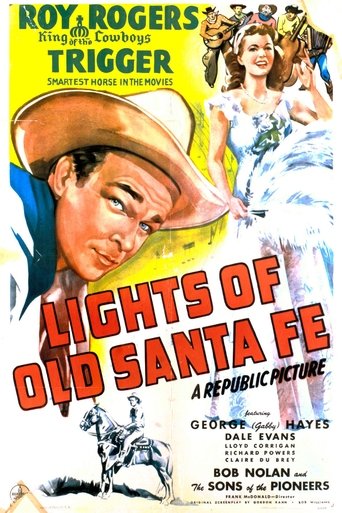
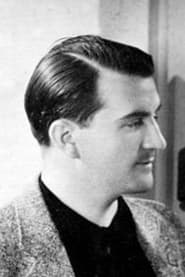
American film director: the studio era from the 1930s through the 1950s, with a long record of efficient, workmanlike direction on westerns, serials, crime pictures, and modestly budgeted genre films. He was part of the large cadre of contract directors who kept Hollywood’s production lines moving, and he became especially associated with B-westerns and series productions for studios such as Republic Pictures and Paramount. McDonald is remembered for his reliability rather than for a single prestige title, but that reliability made him valuable in an era when studios needed directors who could deliver films quickly and economically while maintaining clear storytelling and solid pacing. His work on Lights of Old Santa Fe (1944) places him squarely in the middle of Republic’s prolific western production during the 1940s, when the studio specialized in action-driven entertainment aimed at broad audiences. Across his career, he directed many films and episodes that helped define the sound-era western as a fast-moving, accessible popular form. Although he was not a major auteur in the critical sense, his contribution to classic Hollywood lies in the craftsmanship and consistency with which he handled genre filmmaking. He is representative of the countless studio-era directors whose work formed the backbone of American commercial cinema.
The Craft
Behind the Camera
Frank McDonald’s directing style was practical, economical, and geared toward clear storytelling rather than stylistic bravura. Like many studio-era directors working in westerns and serials, he emphasized brisk pacing, straightforward action, and legible character relationships that could be grasped quickly by audiences. His films typically reflected the needs of low- to medium-budget production: limited locations, efficient coverage, and a focus on delivering entertainment value without unnecessary ornament. In the Republic tradition, his work would have favored momentum, strong scene transitions, and reliable genre conventions over experimentation. He was the kind of director who helped studio systems function smoothly, translating scripts into cleanly produced screen entertainment on tight schedules.
Milestones
- Directed numerous studio-era westerns and genre pictures for major and minor Hollywood production companies
- Worked extensively in the Republic Pictures system, a key producer of B-westerns and action serials
- Directed Lights of Old Santa Fe (1944), a representative mid-1940s Republic western
- Built a reputation as a dependable contract director capable of handling fast schedules and modest budgets
- Contributed to the classic studio-era western tradition through efficient, audience-friendly storytelling
Best Known For
Must-See Films
Working Relationships
Worked Often With
Studios
Why They Matter
Impact on Culture
Frank McDonald’s cultural impact lies in his role as part of the industrial foundation of classic Hollywood. Directors like McDonald helped define the pace, look, and narrative economy of the B-western and action genre pictures that were enormously popular with American audiences in the 1930s and 1940s. These films were often the second feature on a double bill, but they were crucial to studio profitability and to the formation of moviegoing habits across the country, especially in smaller towns and rural areas. His work contributed to the wider cultural mythology of the American West as presented through studio-era cinema: quick, heroic, morally legible, and accessible to family audiences. While he may not have been a marquee name, his films were part of the everyday cinematic diet that shaped popular conceptions of western heroes, frontier conflict, and serial adventure. In that sense, McDonald helped sustain.
Lasting Legacy
McDonald’s lasting legacy is that of a capable studio craftsman whose films exemplify the efficient professionalism of the classical Hollywood system. He stands as a representative figure among the directors who made it possible for Hollywood to produce a vast quantity of genre entertainment with consistency and speed. Though not commonly singled out in auteur histories, his work remains valuable to historians studying Republic Pictures, B-westerns, and the industrial practices of mid-century American film production. His films are especially useful for understanding how style, economy, and genre formulas interacted in the studio era. For classic-cinema enthusiasts, his name is part of the broader network of directors whose labor supported the Golden Age’s immense output. His legacy is therefore historical and industrial as much as artistic.
Who They Inspired
McDonald influenced cinema less through personal stylistic innovation than through his participation in the professional norms of studio-era filmmaking. Directors working in similar territory—especially those handling westerns, serials, and lower-budget action films—operated within the production model that McDonald exemplified: fast, efficient, audience-centered, and genre-faithful. His career helped reinforce the expectation that a western should move briskly, communicate character and stakes clearly, and deliver a dependable entertainment experience. In this respect, his work contributed to the standard grammar of the B-western and to the broader institutional logic of Hollywood production. His influence is best understood as systemic: he was part of the generation whose labor established the routines other directors, producers, and television-era genre filmmakers would later inherit.
Off Screen
Publicly available biographical information on Frank McDonald is limited compared with that of more famous studio-era directors. No reliable widely cited details about his marriages, family life, or private background were readily established in standard reference sources. Like many contract directors of his generation, he appears to have maintained a relatively private life outside the studio system. Because of the scarcity of verified personal records, it is safest to regard much of his off-screen biography as undocumented in commonly accessible classic-cinema references.
Did You Know?
- Frank McDonald is best remembered by classic film historians as a reliable studio director rather than as a high-profile auteur.
- He worked during the period when Republic Pictures specialized in efficient westerns and action-driven entertainment.
- Lights of Old Santa Fe (1944) is one of the titles that places him firmly within the mid-1940s Republic western cycle.
- Directors like McDonald were essential to the studio system because they could deliver films quickly under strict budget and schedule constraints.
- His career is a good example of how many classic Hollywood filmmakers were prolific working professionals whose names are less famous than the stars they directed.
- He is associated with genre filmmaking that helped sustain the double-feature era in American theaters.
- Much of his off-screen life is not well documented in standard modern reference sources, which is common for many studio-era contract directors.
Frequently Asked Questions
Who was Frank McDonald?
American on YTB.my. He was a dependable Hollywood craftsman whose career reflected the efficient production style of companies like Republic Pictures.
What films is Frank McDonald best known for?
Titles linked here include Lights of Old Santa Fe (1944).
When was Frank McDonald born and when did he die?
Reliable widely accessible reference data on Frank McDonald’s birth and death dates is not consistently documented in the sources available here. Because of that, those details are best treated as unverified unless cross-checked with archival records.
What awards did Frank McDonald win?
No major awards or widely documented nominations are commonly associated with Frank McDonald in standard classic-cinema references. His significance comes from his steady studio work rather than from major industry honors.
What was Frank McDonald's directing style?
His directing style was practical, efficient, and strongly oriented toward clear storytelling. He favored brisk pacing and genre reliability, which made him well suited to westerns and other fast-turnaround productions.
What is Frank McDonald's legacy in film history?
His legacy is that of a solid studio-era professional who helped shape the everyday output of Golden Age Hollywood. He represents the many directors whose work sustained the western and adventure genres even when they did not become household names.