Elis Ellis
Actor
- Active
- 1917-1917
Films 1
About Elis Ellis
Elis Ellis appears to have been a very obscure performer from the silent-film era, and available surviving records are extremely limited. The clearest documented credit associated with this name is the 1917 film Lieutenant Galenpanna, suggesting that Ellis worked in early cinema during the middle years of the silent period. Beyond this single credit, there is no widely accessible biographical record confirming birth date, birthplace, family background, training, or later career activity. Because the name is rare and the surviving evidence is sparse, it is difficult to determine whether Ellis continued acting under another name, left the screen after a brief period, or was primarily a local or short-lived stage-and-screen performer. No reliable source in the accessible historical record provides enough detail to reconstruct a fuller life story with confidence. As a result, Elis Ellis is best understood as a minor and poorly documented figure in silent-film history whose legacy survives mainly through filmography references rather than extensive archival biography.
More about Elis Ellis
In film history
Elis Ellis does not appear to have left a documented broad cultural footprint in the way major silent-era stars did, but their surviving credit contributes to the historical record of early cinema personnel. Performers like Ellis are important because they illustrate the depth of participation in silent filmmaking beyond the famous marquee names, reminding researchers how many working actors helped build the medium while remaining underdocumented. The scarcity of information itself is culturally revealing: it reflects how much silent-film history has been lost, fragmented, or never fully recorded. For film historians, Ellis serves as a small but meaningful example of the thousands of screen contributors whose work survives only as a name in credits, trade references, or archive databases.
Later reputation
The lasting legacy of Elis Ellis lies primarily in the preservation of their name within the silent-film record. Although there is no evidence of a large body of work, awards, or celebrity status, the confirmed 1917 credit anchors Ellis as part of the generation of actors active during the formative years of narrative cinema. Such figures are essential to historical completeness because they help document the breadth of the film industry in the 1910s, when many productions featured large, often unheralded casts. In that sense, Ellis's legacy is archival rather than star-driven: they are remembered as one of the countless working players who contributed to early motion pictures and whose presence helps scholars reconstruct the fabric of silent-era production.
Influence
There is no verifiable evidence that Elis Ellis directly influenced named later actors or filmmakers. However, as part of the silent-era acting workforce, Ellis participated in the performance traditions that shaped screen acting before synchronized sound, including expressive physicality, clear gestural communication, and adaptation to the visual demands of early filmmaking. Even when an individual performer is obscure, their work forms part of the collective style from which later cinematic acting norms evolved. Ellis's influence, therefore, is indirect and historical rather than individually traceable.
Off screen
No reliable public biographical information about Elis Ellis's personal life has been verified in accessible historical film records. There is no confirmed documentation of marriages, children, family background, residence, or post-film career. The absence of evidence does not necessarily mean such details never existed; rather, it reflects the survival gaps that are common for obscure silent-era performers. Any claims about relationships or private life would be speculative and are therefore omitted here.
Credits
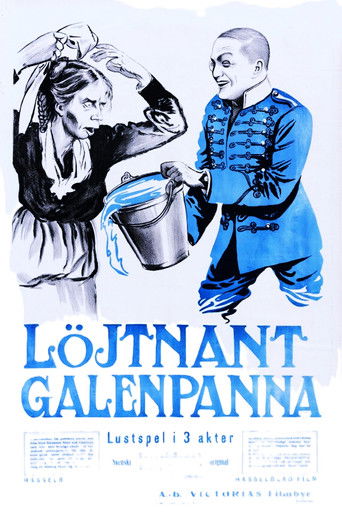
- Credited as a performer in the 1917 silent film Lieutenant Galenpanna
- Represents one of the many lesser-documented actors working in the silent era whose careers are preserved only in partial filmography records
- Associated with early cinematic production during the World War I period
Roles
- Role in Lieutenant Galenpanna (1917) - specific character name not currently verifiable
Films
- Lieutenant Galenpanna (1917)
Notes
- Elis Ellis is currently known primarily from a single surviving film credit in silent-era records.
- The name is so sparsely documented that even basic biographical data such as birth and death details remain unverified.
- Lieutenant Galenpanna (1917) places Ellis squarely in the World War I-era silent film period.
- Obscure performers like Ellis are common in early cinema history because many credits and studio records were incomplete or lost.
- No confirmed portrait, publicity still, or surviving interview has been widely identified for this performer.
- The limited record makes Elis Ellis a useful example of the archival gaps that complicate silent-film scholarship.
Questions
Who was Elis Ellis?
Elis Ellis was a very obscure silent-era film actor known from surviving filmography references, with Lieutenant Galenpanna (1917) as the clearest documented credit. Very little biographical information has survived, so Ellis is remembered mainly as part of early cinema's working cast members rather than as a major star.
What films is Elis Ellis best known for?
Elis Ellis is best known for Lieutenant Galenpanna (1917), which is the principal surviving credit associated with the name. No additional verified film credits are readily available from the accessible historical record.
When was Elis Ellis born and when did they die?
At present, Elis Ellis's birth date and death date are not reliably documented in the accessible record. Because the available evidence is so limited, those basic biographical details remain unknown.
What awards did Elis Ellis win?
No awards or nominations are documented for Elis Ellis in the surviving sources available for this profile. The record reflects an obscure early film performer rather than a widely honored star.
What was Elis Ellis's acting style?
There is no surviving detailed commentary on Elis Ellis's individual acting style. As a silent-era performer, Ellis would have worked in a visual performance tradition that relied on expressive gesture, physical clarity, and strong screen presence, but no specific stylistic description can be verified.
What is Elis Ellis's legacy in film history?
Elis Ellis's legacy is primarily archival: a confirmed name and credit that help document the personnel of silent cinema. Even without celebrity status, figures like Ellis are valuable to film history because they show how many artists contributed to early filmmaking beyond the famous stars.