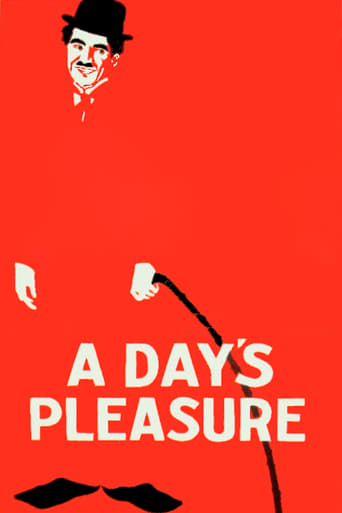
Films
1 film
About Alfred Reeves
Minor actor during the silent film era, best known for his appearance in Charlie Chaplin's 1919 comedy short 'A Day's Pleasure.' As a bit player in Chaplin's stock company, Reeves was part of the ensemble cast that supported Chaplin's Tramp character. His appearance in this film represents his only documented screen credit, suggesting a very brief career in motion pictures that was likely limited to the year 1919. Like many supporting actors of the silent era, Reeves contributed to the ensemble dynamics that made Chaplin's films successful, though his specific role and character details have been largely lost to film history. The scarcity of information about Reeves reflects the common fate of minor performers from early cinema whose contributions were significant but whose personal details were not preserved in the historical record.
The Craft
Milestones
- Appeared in Charlie Chaplin's 'A Day's Pleasure' (1919)
Best Known For
Iconic Roles
Must-See Films
Working Relationships
Worked Often With
Studios
Why They Matter
Impact on Culture
Alfred Reeves represents the countless anonymous performers who formed the backbone of silent era cinema. While his individual contribution was minimal, he was part of the collaborative ensemble system that enabled stars like Charlie Chaplin to create their enduring works. His appearance in 'A Day's Pleasure' places him within the context of early Hollywood's studio system, where stock companies of actors would appear repeatedly in various productions, providing continuity and familiarity to audiences of the time.
Lasting Legacy
The legacy of Alfred Reeves is primarily that of a representative figure of the silent era's supporting cast. While his name may be forgotten, his contribution to Chaplin's work is part of the collective effort that created some of cinema's most enduring comedies. His brief appearance in film history serves as a reminder of the thousands of performers who, while never achieving stardom, were essential to the magic of early cinema.
Who They Inspired
As a minor actor with only one documented credit, Alfred Reeves' direct influence on other performers or the film industry is not recorded. However, like all ensemble players, he contributed to the overall quality and success of the productions in which he appeared, indirectly supporting the artistic vision of leading filmmakers like Chaplin.
Off Screen
Very little is known about Alfred Reeves' personal life, which is typical for minor actors from the silent era whose biographical details were not preserved in historical records.
Did You Know?
- Alfred Reeves appeared in Charlie Chaplin's 'A Day's Pleasure' during the height of Chaplin's fame at First National
- His entire documented film career spans only the year 1919
- He was part of Chaplin's stock company of actors who appeared in multiple films
- Like many silent era bit players, his specific role in the film is not well-documented
- His career coincided with the transition period when Chaplin was moving from Mutual to First National studios
- The film he appeared in was one of Chaplin's most successful shorts of the period
- His lack of additional credits suggests he may have been a stage actor who briefly tried films
- The scarcity of information about him is typical for minor actors of this era
Frequently Asked Questions
Who was Alfred Reeves?
Screen credits include Charlie Chaplin's 1919 comedy short 'A Day's Pleasure.' His documented career was extremely brief, limited to just that year, making him one of the many anonymous performers who supported major stars during early Hollywood's golden age.
What films is Alfred Reeves best known for?
Titles linked here include A Day's Pleasure (1919).
When was Alfred Reeves born and when did he die?
Unfortunately, the birth and death dates of Alfred Reeves are not documented in historical records, which is common for minor actors from the silent era whose biographical details were not preserved for posterity.
What awards did Alfred Reeves win?
Alfred Reeves did not receive any documented awards or nominations during his brief film career. As a bit player in a single 1919 production, he would not have been eligible for the recognition that leading performers received during this era.
What was Alfred Reeves' acting style?
Specific details about Alfred Reeves' acting style are not documented, as he appeared only as a bit player in 'A Day's Pleasure.' Like many supporting actors in Chaplin's films, he would have been expected to provide complementary performances that enhanced Chaplin's comedic timing without overshadowing the star.
How is Alfred Reeves connected to Charlie Chaplin?
Alfred Reeves was part of Charlie Chaplin's stock company of actors during the First National period, appearing in 'A Day's Pleasure' (1919). This connection places him among the ensemble of performers who regularly supported Chaplin's work during one of his most productive creative periods.