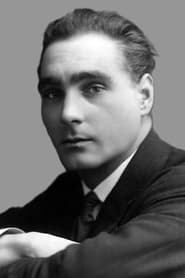
Henry Edwards
Actor & Director
Born: September 18, 1882 in Weston-super-Mare, Somerset, England Died: November 2, 1952 Active: 1915-1937
Films
1 film
About Henry Edwards
Figure in British silent cinema, serving as both a prominent actor and prolific director during the golden age of British film production. He began his career on the stage before transitioning to motion pictures, where he quickly rose to prominence at the Hepworth Film Company. Edwards married actress Chrissie White in 1915, and the couple became one of British cinema's most popular screen teams, frequently collaborating on numerous films throughout the 1910s and 1920s. His directorial work was characterized by its technical sophistication and emotional depth, helping establish British cinema as a serious artistic medium. Beyond his work in front of and behind the camera, Edwards was also a composer, writing music for several of his films. His over two decades, during which he directed more than 50 films and acted in countless others, becoming one of Britain's most influential filmmakers of the silent era. Despite the transition to sound films proving challenging for many silent era stars, Edwards continued working into the 1930s, though his greatest impact remains in his silent film contributions.
The Craft
On Screen
Edwards employed a naturalistic acting style that was ahead of its time for the silent era. Rather than relying on the exaggerated gestures common in early cinema, he favored subtle facial expressions and restrained physical movements, drawing on his theatrical training to create more nuanced performances. His screen presence was characterized by a gentle, earnest demeanor that made him particularly effective in romantic and dramatic roles. Edwards had a remarkable ability to convey complex emotions through minimal action, making him a favorite among British audiences who appreciated his more understated approach compared to the more theatrical American actors of the period.
Behind the Camera
As a director, Edwards was known for his technical innovation and attention to visual storytelling. He often employed sophisticated camera movements and lighting techniques that were uncommon in British cinema of his era. Edwards favored location shooting over studio work whenever possible, bringing a sense of realism and authenticity to his films. His direction emphasized character development and emotional depth over spectacle, with careful attention to pacing and narrative structure. He was particularly adept at drawing naturalistic performances from his actors, perhaps benefiting from his own experience as a performer. Edwards also showed a willingness to tackle socially relevant themes, often incorporating elements of class consciousness and social commentary into his otherwise commercial entertainments.
Milestones
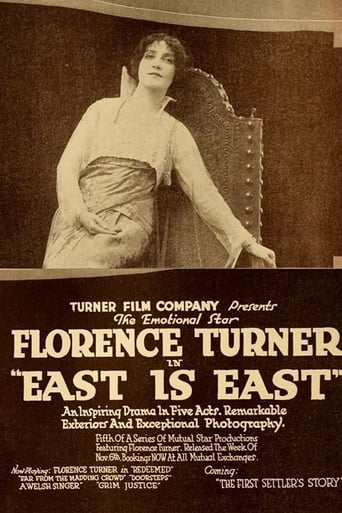
- Directed and starred in 'East Is East' (1916), one of his most acclaimed works
- Formed successful partnership with wife Chrissie White in over 30 films
- Became leading director at Hepworth Studios in the late 1910s
- Directed 'The Man Who Stayed at Home' (1919), a major wartime success
- Transitioned successfully from actor to director-producer
- Composed music for several of his own films
- Established his own production company in the 1920s
Best Known For
Iconic Roles
Must-See Films
Accolades
Special Recognition
- Recognized as one of Britain's most influential silent film directors
- Retrospective screenings of his work at British Film Institute
- Subject of academic study in British cinema history
Working Relationships
Worked Often With
Studios
Why They Matter
Impact on Culture
Henry Edwards played a crucial role in establishing British cinema as a serious artistic medium during the silent era. His films helped demonstrate that British productions could compete artistically with the more dominant American and European cinemas of the period. Edwards' naturalistic acting style influenced a generation of British performers, moving away from theatrical gestures toward more cinematic techniques. His directorial innovations in lighting, camera work, and location shooting helped raise technical standards in British film production. Perhaps most importantly, his successful partnership with Chrissie White created a model for creative collaboration in cinema that influenced future filmmaking partnerships. Edwards' work also reflected and shaped British cultural identity during a period of significant social change, often incorporating themes of class, tradition, and modernity that resonated with contemporary audiences.
Lasting Legacy
Henry Edwards' legacy lies primarily in his contribution to the development of British silent cinema as both an art form and industry. While many of his films have been lost to time, surviving works demonstrate his technical skill and artistic vision, earning him recognition from film historians as a figure in British film history. His influence can be seen in the subsequent generation of British directors who built upon his innovations in visual storytelling and naturalistic performance. Edwards' work, particularly his collaborations with Chrissie White, remains an important subject of academic study in early cinema history. The British Film Institute has preserved and restored several of his films, ensuring that his contributions to cinema remain accessible to modern audiences. Though largely forgotten by the general public, Edwards is remembered by film scholars as a key figure who helped establish the artistic credibility of British cinema during its formative years.
Who They Inspired
Edwards influenced British cinema through his advocacy for naturalistic acting styles and technical innovation in film production. His success as both actor and director inspired other performers to take up filmmaking, contributing to the development of auteur theory in British cinema. His emphasis on location shooting influenced subsequent British filmmakers to utilize the country's diverse landscapes in their productions. Edwards' work with Chrissie White helped establish the template for creative partnerships in cinema, influencing future director-actor collaborations. His integration of music into his films prefigured the coming of sound cinema, demonstrating an understanding of film as a multimedia art form. While direct protégés are difficult to trace, his overall approach to filmmaking influenced the broader development of British cinema's distinctive style and sensibility.
Off Screen
Henry Edwards married actress Chrissie White in 1915, and their professional and personal partnership became one of British cinema's most celebrated collaborations. The couple had two children together, a son and a daughter, both of whom briefly appeared in their parents' films as child actors. Their marriage lasted until Chrissie's death in 1989, though they had separated professionally years earlier. Edwards was known as a devoted family man who maintained a relatively private personal life despite his public fame. He was also musically talented, playing piano and composing, skills that occasionally found their way into his film work. After his film career declined in the 1930s, Edwards largely retired from public life, focusing on his family and private interests until his death in 1952.
Education
Educated in Weston-super-Mare, with early theatrical training in local repertory companies
Family
- Chrissie White (1915-1952)
Did You Know?
- Composed music for several of his own films despite having no formal musical training
- East Is East (1916) was
- Made over 50 films as director during his career, most of which are now lost
- His real name was indeed Henry Edwards - no stage name was ever used
- Was one of the first British filmmakers to regularly shoot on location
- His marriage to Chrissie White lasted 37 years until his death in 1952
- Served briefly in World War I but was discharged due to health issues
- Attempted to transition to sound films in the early 1930s with limited success
- Was a skilled amateur painter in his retirement years
- His films were particularly popular in Australia and other British Commonwealth countries
In Their Own Words
The camera is not merely a recording device, but a window into the human soul.
In silent cinema, we must speak louder than words through the language of the heart.
British cinema need not bow to Hollywood; we have our own stories to tell and our own way of telling them.
Frequently Asked Questions
Who was Henry Edwards?
Prominent British actor and on YTB.my. He directed over 50 films and acted in many more, becoming one of Britain's most influential filmmakers of the 1910s and 1920s.
What films is Henry Edwards best known for?
Titles linked here include East Is East (1916), The Man Who Stayed at Home (1919).
When was Henry Edwards born and when did he die?
Born September 18, 1882; died November 2, 1952.
What awards did Henry Edwards win?
While Henry Edwards did not receive major formal awards during his career, he is recognized by film historians as one of Britain's most influential silent film directors and has been the subject of retrospectives at the British Film Institute.
What was Henry Edwards' directing style?
Edwards' directing style was characterized by technical innovation, naturalistic performances, and a preference for location shooting. He emphasized visual storytelling and emotional depth, often incorporating social commentary into his commercial entertainments.
How did Henry Edwards influence British cinema?
Edwards helped establish British cinema as an artistic medium through his technical innovations and naturalistic approach to filmmaking. His work demonstrated that British productions could compete artistically with international cinema and influenced subsequent generations of British filmmakers.
Was Henry Edwards married?
Yes, Henry Edwards married actress Chrissie White in 1915, and they became one of British cinema's most popular screen teams, collaborating on over 30 films together during their marriage.