Films
1 film
About Nikolai Znamenskiy
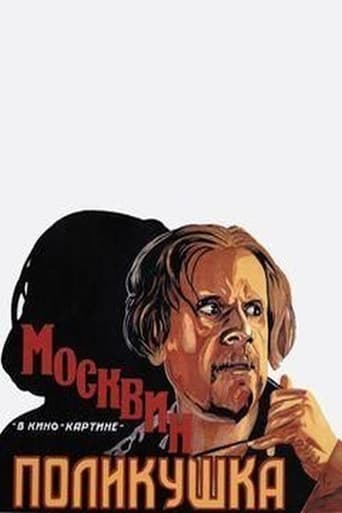
Soviet actor who emerged during the early formative years of Russian cinema following the Bolshevik Revolution. His career, though brief, coincided with a pivotal period when Soviet filmmakers were establishing new cinematic language and artistic principles. Znamenskiy appeared in the 1922 film 'Polikushka,' which was directed by Alexander Sanin and represented one of the early Soviet adaptations of Leo Tolstoy's literary works. The film was significant as it demonstrated the new Soviet state's interest in adapting classic Russian literature to serve revolutionary ideals and cultural education. Znamenskiy's participation in this production placed him among the generation of Soviet actors who helped shape the nascent Soviet film industry during its transition from the pre-revolutionary era. Despite his limited filmography, his work contributed to the foundation of Soviet cinema's acting traditions, which would later be influenced by the revolutionary theories of directors like Eisenstein and Pudovkin. His career appears to have been confined to the year 1922, making him a representative figure of the transitional period in Russian film history.
The Craft
On Screen
While specific details about Znamenskiy's acting style are not extensively documented, actors in early Soviet cinema during this period typically drew from theatrical traditions while adapting to the new medium of film. The acting in 'Polikushka' likely reflected the transitional nature of early 1920s Soviet cinema, where performers were moving away from the highly stylized acting of pre-revolutionary Russian films toward more naturalistic approaches that would later be codified by Soviet film theorists.
Milestones
- Appeared in 'Polikushka' (1922), an early Soviet film adaptation of Tolstoy's work
- Participated in the foundational period of Soviet cinema
- Contributed to early Soviet literary adaptations on film
Best Known For
Iconic Roles
Must-See Films
Working Relationships
Worked Often With
Studios
Why They Matter
Impact on Culture
Nikolai Znamenskiy's contribution to cinema, while limited in scope, represents the broader cultural project of early Soviet filmmakers to create a new revolutionary cinema. His participation in 'Polikushka' places him within the context of Soviet efforts to adapt classical Russian literature for new ideological purposes, helping to establish the tradition of literary adaptations that would become a hallmark of Soviet cinema. The film itself was part of the early Soviet endeavor to use cinema as an educational and ideological tool, adapting Tolstoy's work to serve the new cultural priorities of the revolutionary state.
Lasting Legacy
Nikolai Znamenskiy's legacy is primarily historical, representing the generation of actors who participated in the birth of Soviet cinema during its formative years. While he did not achieve lasting fame, his work in 'Polikushka' contributes to our understanding of how early Soviet cinema developed its acting styles and approaches to literary adaptation. His brief career exemplifies how many actors of this transitional period either moved on to other professions or became part of the larger collective effort to establish Soviet film culture without achieving individual recognition.
Who They Inspired
Given the limited scope of Znamenskiy's documented career, specific influences on other actors or filmmakers are not readily apparent. However, like all actors working in early Soviet cinema, he would have been part of the experimental atmosphere that eventually led to the development of distinctive Soviet acting theories and practices that would influence cinema worldwide in subsequent decades.
Off Screen
Very limited information is available about Nikolai Znamenskiy's personal life, which is not uncommon for actors from this early period of Soviet cinema, especially those with brief careers. Many details about actors from this era were not systematically preserved, particularly for those who were not among the most prominent figures of the time.
Did You Know?
- 'Polikushka' (1922) was one of the earliest Soviet film adaptations of Leo Tolstoy's work
- The film was directed by Alexander Sanin, who was a prominent figure in early Soviet and Russian theater
- The period when Znamenskiy was active (1922) was crucial for Soviet cinema as it was establishing its identity separate from pre-revolutionary Russian film
- Early Soviet films like 'Polikushka' often focused on adapting classic Russian literature to serve revolutionary cultural goals
- The 1920s saw the emergence of Soviet montage theory, which would revolutionize film editing worldwide
- Many actors from this early Soviet period had backgrounds in theater, as was common in Russian film culture
- The preservation status of early Soviet films varies, with some lost to time and others surviving as important cultural artifacts
Frequently Asked Questions
Who was Nikolai Znamenskiy?
Screen credits include the 1922 film 'Polikushka.' He was part of the first generation of actors working in Soviet cinema following the Russian Revolution, contributing to the foundational period of Soviet film culture.
What films is Nikolai Znamenskiy best known for?
Titles linked here include Polikushka (1922).
When was Nikolai Znamenskiy active in cinema?
Nikolai Znamenskiy's known film activity was confined to the year 1922, placing him in the early formative period of Soviet cinema following the Bolshevik Revolution.
What was the significance of 'Polikushka' in Soviet cinema?
'Polikushka' (1922) was significant as one of the early Soviet adaptations of Tolstoy's literature, representing the new Soviet state's approach to using classic Russian literature for revolutionary cultural and educational purposes through the medium of film.
What was acting like in early Soviet cinema?
Acting in early Soviet cinema during Znamenskiy's time was in transition, moving away from the theatrical stylization of pre-revolutionary films toward more naturalistic approaches. This period was foundational for developing the distinctive acting styles that would later be influenced by Soviet film theorists.
Why is information about Nikolai Znamenskiy so limited?
Limited documentation about Nikolai Znamenskiy is common for actors from this early Soviet period, especially those with brief careers. Many records from this era were not systematically preserved, and actors who were not among the most prominent figures often left minimal historical traces.