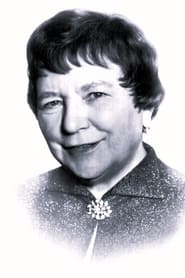
Liesl Karlstadt
Actor
- Born
- June 12, 1892, Munich, German Empire
- Died
- March 27, 1960
- Active
- 1913-1955
- Birth name
- Elisabeth Wellano
Films 1
About Liesl Karlstadt
Liesl Karlstadt was a German stage and screen actress best remembered as the indispensable partner of comedian Karl Valentin and as one of the great comic performers of German entertainment in the first half of the 20th century. Born Elisabeth Wellano in Munich, she began working in performance at a young age and became associated with cabaret, variety, and dialect comedy, where her timing, musicality, and sharp character work made her a beloved figure. Her film career was relatively limited compared with her stage work, but she appeared in early German cinema and is credited in the silent short Karl Valentins Hochzeit (1913), reflecting her early collaboration with Valentin and the formative period of her career. Over the following decades she and Valentin developed a celebrated comic partnership that blended wordplay, slapstick, grotesque character humor, and Bavarian vernacular, influencing generations of German comedians and theatrical performers. Karlstadt also worked in Munich cabaret circles and became known for playing earthy, quick-witted, often exasperated women who could anchor absurd situations with an air of everyday realism. Her career was shaped by both artistic success and personal hardship, including periods of illness and withdrawal from the stage, yet she remained an iconic presence in German popular culture. Today she is remembered not only for her partnership with Valentin but also for helping define the distinctive comic spirit of Munich entertainment during the silent and early sound eras.
More about Liesl Karlstadt
On screen
Liesl Karlstadt's acting style combined deadpan precision, expressive physical timing, and a strong command of Bavarian dialect and social nuance. She was especially effective in roles that required her to ground absurd comedy in a believable everyday character, often balancing exasperation, practicality, and sudden bursts of comic energy. Her performances frequently relied on subtle facial reactions, musical phrasing, and an instinctive sense for rhythmic exchange with her scene partner. In both cabaret and film, she brought a natural, unsentimental quality that made even exaggerated comic situations feel recognizably human.
In film history
Liesl Karlstadt had a major impact on German popular culture as one half of the legendary comic duo with Karl Valentin. Her performances helped codify a Munich-centered comic sensibility that prized verbal wit, precise timing, and a blend of the absurd with the everyday. In an era when many comic women were reduced to secondary foils, she was an equal creative force whose presence shaped the rhythm and success of the sketches. Her work remains foundational for scholars of German cabaret, dialect humor, and early screen comedy, and she is still remembered as a key interpreter of Bavarian urban identity.
Later reputation
Her legacy rests on the remarkable durability of her partnership with Karl Valentin and on her own skill as a performer who could transform simple sketches into enduring comic art. Even though her filmography is small, her influence extends far beyond the screen through the preservation and revival of Valentin-Karlstadt material in theater, film studies, and German cultural memory. She is considered one of the essential figures of Munich cabaret and a pioneer of female comic performance in German entertainment. In film history, she represents the early crossovers between stage-based comic traditions and silent cinema, especially in short-form work. Her name continues to be associated with the distinctively eccentric, intelligent, and humane humor that made Bavarian cabaret internationally notable.
Influence
Karlstadt influenced later German-speaking performers by demonstrating that comic women could be equal partners in shaping a sketch, not merely supporting players. Her approach to deadpan reaction, dialect delivery, and grounded realism informed later cabaret and comedic acting traditions in Germany and Austria. The continued popularity of Karl Valentin and Liesl Karlstadt material has made her a model for performers interested in character-based, language-driven comedy. She also helped establish a performance template in which a comic actress can be both straight woman and scene-stealing performer, depending on the needs of the piece.
Off screen
Liesl Karlstadt was born Elisabeth Wellano in Munich and built her career in the city's cabaret, theater, and comedy environment. Her long professional partnership with Karl Valentin became the defining relationship of her public life, though it was professional rather than a formal marriage. She experienced significant personal difficulties, including periods of illness and emotional strain, which affected her later career and led to time away from performance. Despite these struggles, she remained closely associated with Munich's cultural identity and was admired for her resilience, discipline, and commitment to comedy.
Education
Formal educational details are not widely documented; she was largely shaped by practical stage experience in Munich's performance world.
Credits
- Began performing in Munich's cabaret and variety scene and adopted the stage name Liesl Karlstadt
- Formed one of the most famous comic partnerships in German entertainment with Karl Valentin
- Appeared in the silent short Karl Valentins Hochzeit (1913), an early screen credit tied to her partnership with Valentin
- Became widely admired for dialect comedy, character acting, and musical stage work in Munich cabaret and theater
- Helped establish a uniquely Bavarian comic style that mixed absurdity, wordplay, and deadpan realism
- Remained an enduring cultural icon in Munich and in German comedy history despite later health struggles
Roles
- Comic partner and foil in Karl Valentin's stage and screen sketches
- Bavarian working-class women and practical household characters in cabaret pieces
- Exasperated straight-woman roles that heighten absurd situations through understatement
Films
- Karl Valentins Hochzeit (1913)
Awards
- No major film awards are widely documented from the silent-era period
Nominations
- No major award nominations are widely documented
Honors
- Widely recognized as a major figure in German comedy and Munich cabaret history
- Posthumous esteem in German theatrical and film scholarship as part of the Karl Valentin tradition
Collaborators
- Karl Valentin
- Munich cabaret performers and writers associated with dialect comedy
Studios
- German independent film and cabaret production circles
- Munich theater and cabaret companies
Notes
- She was born Elisabeth Wellano but became famous under the stage name Liesl Karlstadt.
- Her early screen appearance in Karl Valentins Hochzeit (1913) ties her to the very beginnings of her long professional partnership with Karl Valentin.
- Despite her fame in comedy, her career was rooted primarily in cabaret and stage performance rather than feature films.
- She is closely associated with Munich's dialect humor and Bavarian comic traditions.
- Her partnership with Karl Valentin is often compared to other great comic duos because of its precision and mutual dependence.
- She was known for playing ordinary women whose realistic exasperation made absurd situations funnier.
- Her legacy is especially strong in German-language theater and cabaret scholarship.
- She is frequently cited as one of the most important female figures in early German comedy
Questions
Who was Liesl Karlstadt?
Liesl Karlstadt was a German actress, comedian, and cabaret performer best known for her long partnership with Karl Valentin. She was one of the key figures in Munich comic theater and helped define a distinctly Bavarian style of humor that influenced later generations.
What films is Liesl Karlstadt best known for?
Her screen work was limited, but she is associated with the silent short Karl Valentins Hochzeit (1913), which reflects her early collaboration with Karl Valentin. She is more widely remembered for her stage and cabaret performances than for a large film career.
When was Liesl Karlstadt born and when did she die?
She was born on June 12, 1892, in Munich, German Empire. She died on March 27, 1960, in Germany.
What awards did Liesl Karlstadt win?
No major film awards are widely documented for Liesl Karlstadt from the silent or early sound era. Her recognition came primarily through popular acclaim, historical importance, and her lasting place in German comedy history.
What was Liesl Karlstadt's acting style?
Her acting style was marked by deadpan precision, strong comic timing, and a natural command of Bavarian dialect. She excelled at making absurd situations feel grounded and believable, often using small facial reactions and careful rhythm to maximize the humor.
What is Liesl Karlstadt's legacy in film history?
Her legacy lies in the way she helped shape the comic partnership with Karl Valentin and in her influence on German-language comedy and cabaret. Even with a limited filmography, she remains an important early figure in screen-adjacent performance history and a major icon of Munich humor.