Films
2 films

About Nadezhda Ukolova
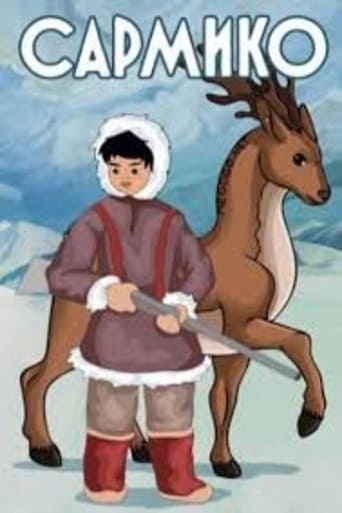
Soviet actress who had a brief but notable career in the early 1950s, appearing in two significant films of the Stalinist era. Her debut came in 1951 with 'Friends-Comrades' (Druz'ya-tovarishchi), a film that reflected the socialist realist aesthetic dominant in Soviet cinema at the time. The following year, she appeared in 'Sarmiko' (1952), further establishing her presence in the Soviet film industry during a period when cinema served as an important tool for ideological education and cultural expression. Unfortunately, her film career appears to have been extremely brief, spanning only these two years, which was not uncommon for actors in the Soviet system who might have faced various professional or political challenges. Despite the limited scope of her filmography, her work represents the contribution of countless actors who participated in the Soviet cultural project during the early Cold War period. Her roles, while not leading parts, contributed to the ensemble casts that were characteristic of Soviet cinema's emphasis on collective narratives over individual stardom.
The Craft
On Screen
Based on the socialist realist tradition of the era, her acting style likely emphasized clear emotional expression and ideological clarity, typical of Soviet cinema of the early 1950s where performances were meant to serve educational and propagandistic purposes while maintaining accessibility for mass audiences.
Milestones
- Debut in 'Friends-Comrades' (1951)
- Second and final film role in 'Sarmiko' (1952)
Best Known For
Iconic Roles
Must-See Films
Working Relationships
Studios
Why They Matter
Impact on Culture
Nadezhda Ukolova's contribution to Soviet cinema, while brief, represents the collective effort of thousands of actors who participated in the cultural production of the early Cold War period. Her work in films like 'Friends-Comrades' and 'Sarmiko' helped create the visual and narrative language of socialist realism that dominated Soviet cultural expression in the early 1950s. These films served not only as entertainment but as vehicles for ideological education, promoting Soviet values and the collective spirit that the state sought to cultivate. While she may not have achieved star status, her participation in these productions contributed to the Soviet cinema that has since become an important subject of film historical study.
Lasting Legacy
Nadezhda Ukolova's legacy is primarily preserved through her two surviving film works, which serve as historical documents of Soviet cinema during the Stalin era. Her brief career exemplifies the experience of many actors in the Soviet system who contributed to the cultural landscape without achieving lasting fame. These films have gained historical significance as artifacts of their time, offering insights into the aesthetic values, social concerns, and political climate of early 1950s Soviet society. For film historians and scholars of Soviet cinema, actors like Ukolova represent the anonymous labor that went into creating the cultural products of the era.
Who They Inspired
As a supporting actress with a very brief career, Nadezhda Ukolova's direct influence on other actors or filmmakers appears to have been limited. However, her work contributes to the broader understanding of Soviet acting techniques and the socialist realist tradition that influenced generations of Soviet and Eastern European performers. The films she appeared in serve as examples of the ensemble-based approach to performance that characterized much of Soviet cinema, emphasizing collective storytelling over individual stardom.
Off Screen
Very little information is available about Nadezhda Ukolova's personal life, which is not uncommon for supporting actors in the Soviet film industry of this period, especially those with brief careers.
Did You Know?
- Her entire known filmography consists of only two films made in consecutive years
- Both of her films were produced during the height of the Stalinist era in Soviet cinema
- 'Friends-Comrades' (1951) was directed by Vasili Ordynsky, who later became a prominent Soviet director
- Her active years covered exactly two years, making her one of the briefest documented careers in Soviet cinema
- Both films she appeared in were typical of the socialist realist style dominant in Soviet cinema at the time
- No leading roles are documented for her, suggesting she worked primarily in supporting capacities
- The lack of extensive biographical information about her is common for Soviet supporting actors of this period
- Her films were made during a period when Soviet cinema was heavily regulated and censored by the state
Frequently Asked Questions
Who was Nadezhda Ukolova?
Screen credits include two films: 'Friends-Comrades' (1951) and 'Sarmiko' (1952). She was a supporting actress during the Stalinist era of Soviet cinema, working within the socialist realist tradition that dominated cultural production at the time.
What films is Nadezhda Ukolova best known for?
Titles linked here include Friends-Comrades (1951), Sarmiko (1952).
When was Nadezhda Ukolova born and when did she die?
Unfortunately, specific birth and death dates for Nadezhda Ukolova are not readily available in documented sources, which is not uncommon for supporting Soviet actors of this era who did not achieve major stardom.
What awards did Nadezhda Ukolova win?
There are no documented awards or major recognitions for Nadezhda Ukolova, which aligns with her status as a supporting actress with a very brief career spanning only two films.
What was Nadezhda Ukolova's acting style?
Based on the films and era she worked in, Ukolova likely employed the socialist realist acting style that emphasized clear emotional expression and ideological messaging. This style was characteristic of Soviet cinema in the early 1950s, prioritizing accessibility and educational value over psychological complexity.