
Films
1 film
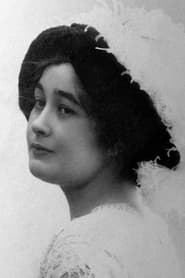
About Grete Diercks
Grete Diercks appears once in this catalog: Carmen (1918). She worked during the golden age of German cinema, a period that produced many influential filmmakers and actors. Her brief appearance in film history coincided with the height of German Expressionism and the country's cinematic dominance before World War I. Like many supporting actors of the silent era, her career appears to have been brief, possibly consisting of only this one notable production. The film 'Carmen' was one of Lubitsch's early successes and helped launch both his career and that of star Pola Negri. Diercks' contribution to this important work places her within the context of early German cinema history, though detailed records of her life and career remain scarce.
The Craft
On Screen
As a silent film actress from the German school, Diercks likely employed the exaggerated gestures and facial expressions typical of the era, emphasizing dramatic physical performance to convey emotion without dialogue
Milestones
- Appeared in Ernst Lubitsch's 'Carmen' (1918)
Best Known For
Iconic Roles
Must-See Films
Working Relationships
Worked Often With
Studios
Why They Matter
Impact on Culture
Grete Diercks represents the countless supporting actors who formed the backbone of early cinema but whose names have been largely lost to history. Her participation in 'Carmen' connects her to. While her individual impact may be minimal, she contributed to the German silent film during its creative peak.
Lasting Legacy
Grete Diercks' legacy is primarily tied to her association with Ernst Lubitsch's early work and the German silent film era. She serves as an example of the many actors whose brief appearances in historically significant films have been preserved, even as their personal stories remain largely undocumented. Her contribution to 'Carmen' ensures her place in film history, however minor, as part of the foundation of German cinema's golden age.
Who They Inspired
As a supporting actress with only one known credit, Grete Diercks' direct influence on other performers or filmmakers is difficult to trace. However, her work contributes to the broader understanding of ensemble acting in early German cinema and the collaborative nature of film production during the silent era.
Off Screen
Very little documented information exists about Grete Diercks' personal life, which was common for supporting actors in early German cinema who often worked anonymously or with minimal public recognition
Did You Know?
- Her only known film appearance was in Ernst Lubitsch's 1918 version of 'Carmen'
- She worked during the same period as German cinema legends like Pola Negri and Marlene Dietrich
- The film 'Carmen' was one of Lubitsch's early successes before he moved to Hollywood
- German cinema in 1918 was experiencing a creative renaissance despite the ongoing World War
- Many supporting actors from this era were never fully documented in film archives
- Silent film actors often had to perform with dramatic physicality to convey emotions
- Her active years covered only one year according to available records
Frequently Asked Questions
Who was Grete Diercks?
German silent film actress active in 1918, known primarily for her role in Ernst Lubitsch's film 'Carmen'. She appears to have had a very brief career, with this being her only documented film appearance.
What films is Grete Diercks best known for?
Titles linked here include Carmen (1918).
When was Grete Diercks born and when did she die?
Specific birth and death dates for Grete Diercks are not documented in available historical records. She is known to have been active as an actress in 1918 and was of German nationality.
What awards did Grete Diercks win?
There are no documented awards or nominations for Grete Diercks, which was common for supporting actors in early German cinema, especially during the silent film era when formal award systems were limited.
What was Grete Diercks' acting style?
As a silent film actress from 1918, Grete Diercks likely employed the dramatic physical acting style typical of the era, using exaggerated gestures and facial expressions to convey emotion without the benefit of spoken dialogue.