Films
1 film
About Pyotr Kashevskiy
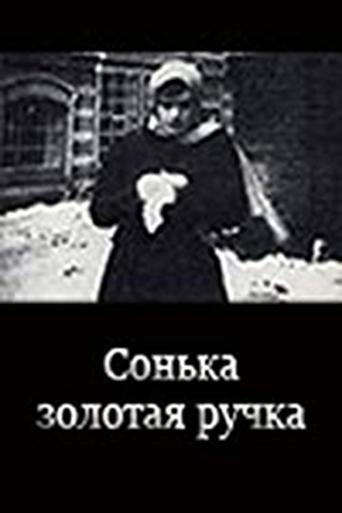
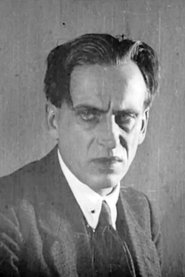
Pyotr Kashevskiy appears once in this catalog: Sonka the Golden Hand (1914). Specifically in 1914. His career, though brief, coincided with the formative period of Russian silent film when the industry was just beginning to establish itself. He is known primarily for his role in 'Sonka the Golden Hand' (Сонька Золотая Рука), a 1914 silent film that was among the early productions of the burgeoning Russian film industry. Like many actors of this period, Kashevskiy's work was likely theatrical in style, reflecting the transition from stage to screen acting techniques common in early cinema. His career appears to have been limited to this single known film credit, making him representative of the many actors who participated in cinema's earliest days but did not achieve lasting fame. The film itself was based on the story of a notorious female criminal from Russian folklore, a popular subject in early Russian cinema. Unfortunately, like many films from this era, 'Sonka the Golden Hand' is now considered lost, making Kashevskiy's performance inaccessible to modern audiences.
The Craft
On Screen
Likely theatrical in style, typical of early silent film actors transitioning from stage to screen performance
Milestones
- Appeared in 'Sonka the Golden Hand' (1914), one of the early Russian silent films
Best Known For
Iconic Roles
Must-See Films
Working Relationships
Studios
Why They Matter
Impact on Culture
Pyotr Kashevskiy represents the many anonymous actors who participated in the birth of Russian cinema. While his individual impact was minimal due to his brief career, collectively, actors like him helped establish the foundation of Russian film art. His work in 'Sonka the Golden Hand' contributed to the early development of Russian crime films and adaptations of folk tales, which would become important genres in Russian cinema. The film itself was part of a wave of early Russian productions that explored national themes and folklore, helping to create a distinct Russian cinematic identity separate from European influences.
Lasting Legacy
Pyotr Kashevskiy's legacy is primarily historical rather than artistic, serving as a reminder of the countless performers who contributed to cinema's earliest days. His single known film credit places him among the pioneers of Russian cinema, even though his name has been largely forgotten. The fact that he appeared in a 1914 production makes him part of the very first generation of Russian film actors, working at a time when the medium was still establishing its artistic language and cultural significance. While his individual work may be lost to history, he represents the foundation upon which the great tradition of Russian cinema would be built.
Who They Inspired
Given his extremely brief career and the obscurity surrounding his work, Pyotr Kashevskiy's direct influence on subsequent generations of actors and filmmakers appears to be minimal. However, like all early film pioneers, his participation in the medium's development contributed to the gradual evolution of film acting techniques and the establishment of cinema as a legitimate art form in Russia.
Off Screen
Very little is known about Pyotr Kashevskiy's personal life, which is typical of actors from the very early Russian cinema period. Like many performers from this era, detailed biographical information was not systematically preserved, and many records have been lost to time.
Did You Know?
- Pyotr Kashevskiy's entire known film career consists of a single film from 1914
- His film 'Sonka the Golden Hand' is now considered lost, like approximately 90% of Russian silent films
- 1914 was a pivotal year for Russian cinema, occurring just before World War I would dramatically impact the industry
- The character of Sonka the Golden Hand was based on a real Russian criminal, Sonya Zolotaya Ruka, from the 19th century
- Early Russian films like this one often drew from literature, folklore, and real criminal cases
- Many actors from this period had backgrounds in theater, as film acting techniques were still being developed
- The Russian film industry in 1914 was centered primarily in Moscow and St. Petersburg
Frequently Asked Questions
Who was Pyotr Kashevskiy?
Russian with credits in this catalog.' He represents one of the many early Russian cinema pioneers whose careers were brief but contributed to the foundation of Russian film art.
What films is Pyotr Kashevskiy best known for?
Titles linked here include Sonka the Golden Hand (1914).
When was Pyotr Kashevskiy born and when did he die?
Specific birth and death dates for Pyotr Kashevskiy are not known, which is typical for actors from this very early period of Russian cinema. He was active in 1914 and was from the Russian Empire.
What awards did Pyotr Kashevskiy win?
Pyotr Kashevskiy did not receive any known awards or nominations, as formal award systems for cinema were not yet established in 1914, particularly in the Russian film industry.
What was Pyotr Kashevskiy's acting style?
While specific details about his acting style are not documented, actors from this period typically employed theatrical techniques adapted for the silent screen, using exaggerated gestures and expressions to convey emotion without dialogue.