Films
1 film
About Aleksandr Varyagin
Actor in the early Russian film industry during the silent era, active cinema history. His career appears to have been brief, concentrated primarily around the year 1914 when Russian cinema was experiencing significant growth and artistic development. Varyagin's most notable work was in the film 'Sonka the Golden Hand' (1914), which was based on the real-life story of Sonya Golden Hand, a notorious female pickpocket and con artist in late 19th-century Russia. The film was part of the burgeoning Russian crime genre that captivated audiences of the time. Like many actors of this early period, Varyagin's career was likely impacted by the dramatic social and political upheavals that would soon transform Russia, including World War I and the 1917 Revolution. His work represents the contributions of the many actors who helped establish the foundation of Russian cinema during its formative years.
The Craft
On Screen
As an actor in the early Russian silent era, Varyagin likely employed the theatrical, exaggerated acting techniques common to pre-revolutionary Russian cinema, where actors had to convey emotion and story through physical expression and gestures without the benefit of synchronized sound.
Milestones
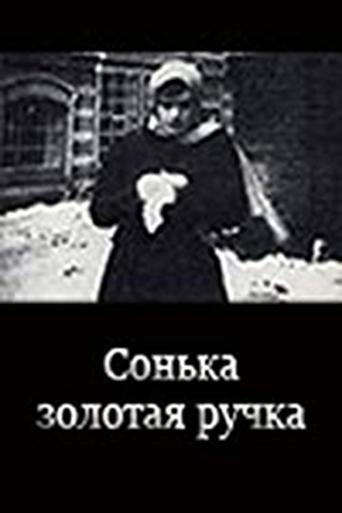
- Appeared in 'Sonka the Golden Hand' (1914), one of the notable early Russian crime films
Best Known For
Iconic Roles
Must-See Films
Working Relationships
Studios
Why They Matter
Impact on Culture
Aleksandr Varyagin represents the generation of actors who participated in the birth of Russian cinema during the pre-revolutionary period. His work in 'Sonka the Golden Hand' contributed to the development of the crime film genre in Russia, which would later influence Soviet cinema. Though his individual contribution may be difficult to trace in detail, he was part of the foundational period that established Russian film as an important cultural medium, setting the stage for the revolutionary achievements of Soviet filmmakers in the 1920s and beyond.
Lasting Legacy
Varyagin's legacy is primarily as one of the early pioneers of Russian cinema, representing the actors who helped establish the medium during its infancy. While his career was brief and records scarce, his participation in early Russian films like 'Sonka the Golden Hand' makes him part of the historical foundation upon which the great tradition of Russian and Soviet cinema was built. His work serves as a reminder of the many forgotten artists who contributed to cinema's early development worldwide.
Who They Inspired
Due to the limited documentation of his career and the brief nature of his film work, specific influences on other actors or filmmakers are difficult to trace. However, as an early Russian film actor, he would have been part of the transitional period from theatrical performance to cinematic acting techniques that influenced subsequent generations of Russian performers.
Off Screen
Very little is documented about Aleksandr Varyagin's personal life, which is typical for many actors from the very early Russian film period. Records from this era are often incomplete or lost, particularly given the political upheavals that would soon transform Russian society and its cultural institutions.
Did You Know?
- Appeared in 'Sonka the Golden Hand' (1914), based on the real story of Sonya Golden Hand, a famous Russian criminal
- His entire known film active years covered only the year 1914
- Worked during the golden age of pre-revolutionary Russian cinema
- Participated in early Russian crime films, a popular genre of the time
- His career coincided with the beginning of World War I, which would dramatically affect the Russian film industry
- Like many early Russian film actors, detailed records of his life and career are scarce
- His work represents the transitional period from theatrical traditions to cinematic acting in Russia
Frequently Asked Questions
Who was Aleksandr Varyagin?
with credits in this catalog. He is primarily known for his appearance in 'Sonka the Golden Hand,' one of the notable crime films of pre-revolutionary Russian cinema.
What films is Aleksandr Varyagin best known for?
Titles linked here include Sonka the Golden Hand (1914).
When was Aleksandr Varyagin active in film?
Aleksandr Varyagin was active only during the year 1914, according to available film records. His brief career occurred during the pre-revolutionary period of Russian cinema, just before World War I and the Russian Revolution.
What was the significance of 'Sonka the Golden Hand'?
'Sonka the Golden Hand' (1914) was a significant early Russian crime film based on the real story of Sonya Golden Hand, a famous 19th-century Russian criminal. The film was part of the popular crime genre in pre-revolutionary Russian cinema and represented the industry's growing sophistication in narrative storytelling.
Why is there limited information about Aleksandr Varyagin?
Limited information about Varyagin is typical for actors from the very early Russian film period, as many records were lost or destroyed during the political upheavals of the early 20th century, including World War I, the Russian Revolution, and subsequent historical events.