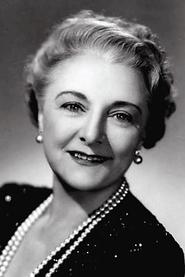
Nella Walker
Actor
Born: March 6, 1886 in Chicago, Illinois, USA Died: December 22, 1971 Active: 1921-1952
Films
3 films
About Nella Walker
The 1939 film The Women is the only title linked here for Nella Walker. Born in 1886 in Chicago, Illinois, she began her career on the Broadway stage before transitioning to films during the silent era. Walker made her film debut in the early 1920s and successfully navigated the transition to sound pictures, appearing in over 100 films throughout her career. She became a familiar face to audiences through her consistent work at major studios like MGM and Paramount, often playing supporting roles that added depth and refinement to productions. Her most memorable period was during the 1930s and 1940s when she appeared in numerous classic films, including prestigious productions like 'The Women' (1939) and 'The Philadelphia Story' (1940). Walker's screen presence was characterized by her patrician demeanor, precise diction, and ability to convey both warmth and authority with equal skill. She continued acting until her retirement in the early 1950s, leaving behind a legacy as one of Hollywood's most reliable character actresses.
The Craft
On Screen
Nella Walker specialized in portraying elegant, upper-class women with a distinctive blend of sophistication and maternal warmth. Her acting style was characterized by precise diction, impeccable posture, and an ability to convey complex emotions through subtle facial expressions and controlled gestures. She excelled at playing society matrons, protective mothers, and refined ladies who often served as moral centers or comedic foils in films. Walker's technique was rooted in her theatrical training, bringing a stage performer's discipline to her screen work while adapting to the more intimate requirements of film acting.
Milestones
- Broadway stage debut in early 1910s
- Film debut in silent films of the early 1920s
- Successful transition to talkies
- Over 100 film appearances throughout career
- Memorable supporting roles in major 1930s-1940s productions
- Retirement from acting in early 1950s
Best Known For
Iconic Roles
Must-See Films
Working Relationships
Worked Often With
Studios
Why They Matter
Impact on Culture
Nella Walker contributed significantly to the fabric of Golden Age Hollywood by providing the essential supporting architecture that elevated countless films. Her portrayals of society women helped define the visual and behavioral language of American upper-class culture during the 1930s and 1940s, influencing how audiences perceived elegance, refinement, and social hierarchy. Walker's consistent presence across multiple studios and genres made her a familiar and comforting figure to moviegoers, representing stability and traditional values during times of social change. Her work in ensemble casts, particularly in films like 'The Women,' demonstrated the importance of strong supporting performances in creating cinematic masterpieces.
Lasting Legacy
Nella Walker's legacy endures through her extensive body of work that continues to be studied and appreciated by film historians and classic cinema enthusiasts. She represents the archetype of the reliable character actress who, while never achieving star status, was essential to the success of countless classic films. Her performances serve as valuable examples of the craft of supporting acting, demonstrating how secondary characters can provide crucial emotional depth and narrative function. Walker's career trajectory from Broadway to silent films and through the golden age of Hollywood exemplifies the adaptability required of performers during one of cinema's most dynamic periods.
Who They Inspired
While not widely recognized as an influential figure in the traditional sense, Nella Walker influenced subsequent generations of character actors through her professionalism and versatility. Her ability to create memorable, distinct characters within limited screen time provided a model for supporting actors seeking to make significant impacts in ensemble casts. Walker's work in sophisticated comedies and dramas helped establish conventions for portraying upper-class American women that would be referenced and adapted by later actresses. Her career longevity and consistent employment demonstrated the value of reliability and craft in Hollywood's studio system.
Off Screen
Nella Walker was married to playwright and screenwriter Wilkie C. Mahan, with whom she had one daughter. The couple maintained a relatively private life away from the Hollywood spotlight, with Walker focusing on her career while supporting her husband's work in the entertainment industry. Despite her extensive film career, she managed to keep her personal life largely out of the public eye, maintaining the dignity and reserve that characterized her on-screen persona.
Family
- Wilkie C. Mahan (married 1914 until his death in 1938)
Did You Know?
- Appeared in over 100 films during her 30-year career
- Successfully transitioned from silent films to talkies
- Often typecast as society women and mothers
- Was a Broadway performer before entering films
- Her husband Wilkie C. Mahan was a successful playwright
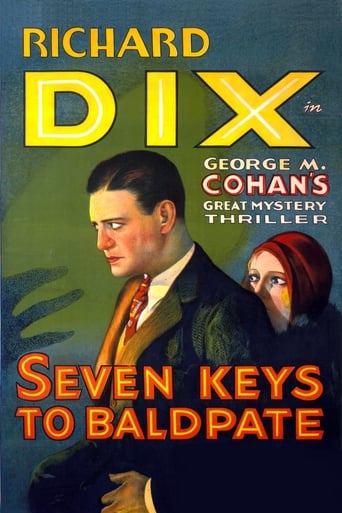
- Appeared in both the 1929 and 1935 versions of 'Seven Keys to Baldpate'
- Worked consistently through the Great Depression when many actors struggled
- Often without on-screen billing in early film roles
- Known for her distinctive patrician speaking voice
- Retired from acting in the early 1950s
Frequently Asked Questions
Who was Nella Walker?
Screen credits include over 100 films from the 1920s through the early 1950s, specializing in portraying elegant society women, mothers, and matrons in Hollywood's Golden Age.
What films is Nella Walker best known for?
Titles linked here include Seven Keys to Baldpate (1929), The Women (1939).
When was Nella Walker born and when did she die?
Born March 6, 1886; died December 22, 1971.
What was Nella Walker's acting style?
Walker was known for her sophisticated portrayals of upper-class women, characterized by precise diction, elegant demeanor, and the ability to convey both authority and warmth in supporting roles.
How long was Nella Walker's career?
Her active years covered approximately three decades, from her film debut in the early 1920s until her retirement in the early 1950s, during which she appeared in over 100 films.
Was Nella Walker married?
Yes, she was married to playwright and screenwriter Wilkie C. Mahan from 1914 until his death in 1938, and they had one daughter together.