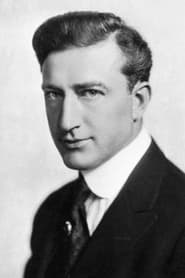
Francis X. Bushman
Actor
Born: January 10, 1883 in Baltimore, Maryland, USA Died: August 23, 1966 Active: 1911-1966 Birth Name: Francis Xavier Bushman
Films
1 film
About Francis X. Bushman
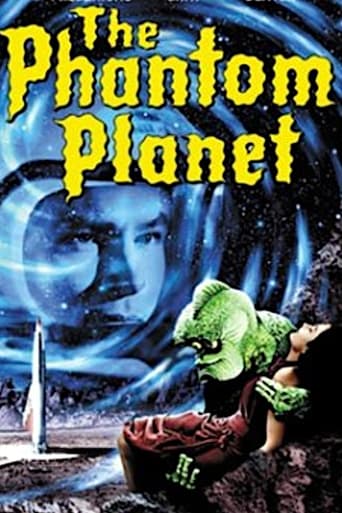
Francis Xavier Bushman was one of the earliest and most popular silent film stars, often referred to as 'The King of the Movies' during the 1910s. Beginning his film career in 1911 with Essanay Studios, Bushman quickly became one of the highest-paid actors in Hollywood, commanding enormous salaries that rivaled those of Charlie Chaplin. His career peaked with his starring role as Messala in the epic 1925 version of 'Ben-Hur,' though his performance was largely overshadowed by the film's chariot race sequence. A major scandal in 1918 involving his divorce from first wife Josephine and subsequent marriage to co-star Beverly Bayne temporarily damaged his popularity and led to his being blacklisted by major studios. After the transition to sound films, Bushman's career diminished significantly, though he continued to work in smaller roles and B-movies throughout the 1930s and 1940s. He experienced a career resurgence in the 1950s with television appearances and returned to film in his final years, including his memorable role in 'The Phantom Planet' (1961). Bushman's five decades, making him one of the few actors to successfully bridge the silent and modern eras of cinema.
The Craft
On Screen
Bushman was known for his dramatic, theatrical acting style typical of the silent era, characterized by exaggerated gestures and intense facial expressions that could convey emotion without dialogue. He possessed a commanding screen presence with his muscular physique, distinctive mustache, and handsome features that made him an ideal romantic lead. His acting technique evolved from the broad, melodramatic style of early silent films to a more naturalistic approach in his later career, though he always maintained a certain theatrical flair that audiences of his era expected from their matinee idols.
Milestones
- Signed by Essanay Studios in 1911 becoming one of their biggest stars
- Became Hollywood's highest-paid actor by 1915 earning $100,000 per year
- Starred in the epic 'Ben-Hur' (1925) as Messala
- Formed successful romantic partnership with Beverly Bayne in numerous films
- Made successful transition to television in the 1950s
- Appeared in final film role in 'The Phantom Planet' (1961)
Best Known For
Iconic Roles
Must-See Films
Accolades
Special Recognition
- Hollywood Walk of Fame star (located at 1651 Vine Street)
- Inducted into the International Best Dressed Hall of Fame
Working Relationships
Worked Often With
Studios
Why They Matter
Impact on Culture
Francis X. Bushman was instrumental in establishing the concept of the movie star as a cultural phenomenon. As one of the first true matinee idols, he helped create the template for the romantic leading man in American cinema. His popularity demonstrated the commercial viability of star power and influenced how studios would market and develop actors in subsequent decades. Bushman's career trajectory also illustrated the precarious nature of fame in early Hollywood, as his scandal showed how personal lives could impact professional success. His longevity in the business, spanning from the silent era through the 1960s, made him a living link between different eras of filmmaking.
Lasting Legacy
Francis X. Bushman's legacy lies primarily in his role as one of America's first movie stars and his influence on the development of the Hollywood star system. His performances in silent films, particularly 'Ben-Hur,' remain important artifacts of early cinema history. Bushman demonstrated that actors could achieve unprecedented fame and fortune in the new medium of motion pictures. His ability to adapt to changing technologies and audience tastes, from silent films to talkies to television, showed remarkable resilience. Today, film historians recognize Bushman as a crucial figure in understanding the evolution of American cinema and celebrity culture.
Who They Inspired
Bushman influenced generations of actors through his establishment of the matinee idol archetype. His success proved that actors could become major commercial draws independent of the studios, paving the way for later stars to negotiate better contracts and creative control. His distinctive look and style influenced how leading men were presented in silent cinema, emphasizing physical attractiveness and dramatic presence. Later actors who studied silent film performance often cited Bushman as an exemplar of screen acting technique. His career longevity also influenced how actors could adapt to industry changes over decades.
Off Screen
Bushman's personal life was marked by both glamour and scandal. He married five times throughout his life, with his second marriage to actress Beverly Bayne being the most famous both professionally and personally. His 1918 divorce from Josephine Duval Bushman to marry Bayne created a major Hollywood scandal that temporarily damaged his career. In his later years, Bushman became a devout Christian and was active in religious organizations. He had five children from his various marriages and maintained relationships with his family despite his busy career. Bushman was also known for his physical fitness and maintained his athletic physique well into his later years.
Education
Attended public schools in Baltimore, briefly studied at the Maryland Agricultural College (now University of Maryland)
Family
- Josephine Duval (1904-1918)
- Beverly Bayne (1918-1925)
- Eleanor Norcross (1925-1936)
- Iva Whitton (1936-1950)
- Norma Emily Ullman (1950-1966)
Did You Know?
- Was one of the highest-paid actors in the world by 1915, earning $100,000 per year (equivalent to over $2.5 million today)
- His distinctive mustache became his trademark and was insured for $25,000
- Was a champion weightlifter before entering films and maintained his physique throughout his career
- The 1918 scandal over his divorce and remarriage was so significant it was covered by newspapers nationwide
- His role in 'Ben-Hur' (1925) was actually smaller than his star status would suggest, as he was cast late in production
- Made over 200 films during his career, though many silent films are now lost
- Was known as 'The King of the Movies' during the height of his popularity
- Appeared on the cover of the first issue of Photoplay magazine in 1911
- Was a skilled horseman and performed many of his own stunts in western films
- His son Ralph Bushman also became an actor under the name Francis X. Bushman Jr.
- In his later years, he became a motivational speaker and gave lectures about his experiences in early Hollywood
In Their Own Words
In the movies, I was the hero everyone wanted to be. In real life, I was just a man trying to live up to an image.
The transition from silent to sound films was like learning to walk again. Some of us made it, some of us didn't.
I never considered myself a great actor, but I knew how to make people believe in the character I was playing.
Fame is a double-edged sword. It opens doors but also closes them.
The best thing about being a movie star was the ability to make people forget their troubles for a couple of hours.
Frequently Asked Questions
Who was Francis X. Bushman?
Francis X. Bushman was one of America's first movie stars and a leading actor of the silent film era. Known as 'The King of the Movies' in the 1910s, he was among the highest-paid actors of his time and starred in over 200 films during his five-decade career.
What films is Francis X. Bushman best known for?
Titles linked here include Ben-Hur (1925), The Great K&A Train Robbery (1926).
When was Francis X. Bushman born and when did he die?
Born January 10, 1883; died August 23, 1966.
What awards did Francis X. Bushman win?
While Bushman did not receive major industry awards like Academy Awards, he was honored with a star on the Hollywood Walk of Fame and was inducted into the International Best Dressed Hall of Fame. His greatest recognition came from his immense popularity and box office success during the silent era.
What was Francis X. Bushman's acting style?
Bushman employed a dramatic, theatrical acting style typical of the silent era, characterized by exaggerated gestures and intense facial expressions. He had a commanding screen presence with his muscular physique and distinctive mustache, making him an ideal romantic leading man of his time.
How did Francis X. Bushman influence Hollywood?
Bushman helped establish the concept of the movie star as a cultural phenomenon and influenced how studios marketed actors. His success demonstrated the commercial viability of star power and his career longevity showed how actors could adapt to changing technologies from silent films to sound and television.
What was the scandal that affected Francis X. Bushman's career?
In 1918, Bushman divorced his first wife Josephine to marry his co-star Beverly Bayne, creating a major Hollywood scandal that led to his temporary blacklisting by major studios. The public outcry was so severe that both actors had to work for smaller studios for several years.
Did Francis X. Bushman have children who became actors?
Yes, Bushman had five children including two who entered the film industry. His son Ralph Bushman became an actor under the name Francis X. Bushman Jr., and another son Bruce Bushman worked as an art director in Hollywood.