Georges Bazot
Actor
- Active
- 1907-1907
Films 1
About Georges Bazot
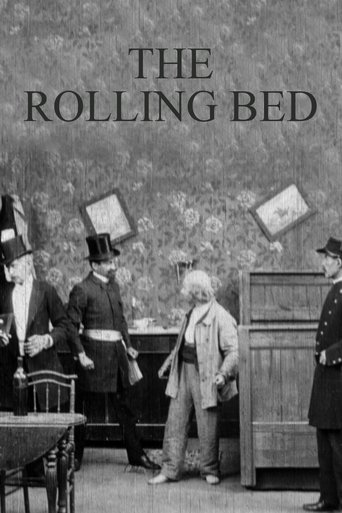
Georges Bazot is a very obscure French screen performer from the early silent era, documented primarily through early filmographies rather than through extensive surviving biographical records. He is credited as an actor in the 1907 French film The Rolling Bed, placing him among the many stage-trained or otherwise professionally connected performers who appeared in the rapidly expanding pre-war European cinema industry. Beyond this single surviving credit, readily verifiable details about his life, training, and later career are scarce, which is common for many performers from cinema's formative years. His name appears in historical film reference contexts that preserve early cast lists, suggesting that he was part of the network of French screen actors active during the medium's first decade. Because the surviving documentation is limited, it is not currently possible to reconstruct a full career arc with confidence, but his presence in an early film record makes him a small yet legitimate part of silent-film history. He should be understood as one of the many early contributors whose work helped establish acting practices and screen performance norms in the years before feature-length filmmaking and star publicity became dominant. No reliable evidence currently confirms later appearances, major stardom, or a sustained Hollywood-era career.
More about Georges Bazot
In film history
Georges Bazot's cultural impact is best understood as archival and historical rather than celebrity-driven. Even a single surviving credit from 1907 is significant because early cinema documentation is often incomplete, and each identified performer helps historians map the personnel of the silent-era French film industry. His presence in the cast of an early film contributes to our understanding of how actors transitioned into the new medium before standardized screen acting techniques fully developed. While he does not appear to have achieved the level of renown associated with major silent-era stars, his recorded participation still enriches the historical picture of film's formative years.
Later reputation
Bazot's legacy lies in the preservation of early cinema history through filmographies and cast records. He is part of the large, often anonymous workforce of performers who appeared in short films during the 1900s, when cinematic storytelling was still being codified. Because so little survives about his life, his legacy is inseparable from the broader challenge of recovering forgotten early film artists. For researchers and database compilers, his name matters because it verifies production personnel and helps maintain accuracy in silent-era cataloging. In that sense, Bazot's continued appearance in film reference data keeps a small but authentic fragment of early French cinema from disappearing entirely.
Influence
There is no documented evidence that Georges Bazot exerted direct influence on later actors or directors in the way prominent stars and innovators did. However, as an early screen performer, he participated in the developing performance language of cinema at a moment when acting for film was still distinct from stage practice. His contribution is therefore indirect: he belongs to the generation whose work, however modestly recorded, formed the practical foundation that later performers and filmmakers built upon.
Off screen
No reliable biographical information about Georges Bazot's personal life, including family background, marriages, or children, has been located in readily verifiable classic-cinema reference sources. As with many early silent-era performers, the historical record is extremely thin and may never have been extensively documented in surviving public archives. At present, there is no confirmed information about his private life, education, or activities outside his credited screen work.
Credits
- Credited as an actor in the 1907 French film The Rolling Bed
- Documented as part of the earliest generation of screen performers in the silent era
- Represents the kind of early French film casting that helped shape pre-World War I cinema production
- Preserved in historical film reference material despite the scarcity of surviving personal details
- Associated with one of the formative years of narrative film performance in Europe
Roles
- Role in The Rolling Bed (1907)
Films
- The Rolling Bed (1907)
Notes
- He is credited with only a very small amount of surviving documentation in film reference sources.
- His known film activity is limited to the year 1907.
- The Rolling Bed is the sole title currently associated with him in the available record.
- He is part of the early French silent-cinema period, when many actors were not extensively publicized.
- Like many performers of the era, his personal details appear to have been poorly preserved.
- His inclusion in film databases is important for reconstructing early production histories.
- He may have been a stage performer or locally active actor before or after his screen appearance, but this is not confirmed.
- His obscurity illustrates how many silent-era contributors remain underdocumented despite their historical importance.
Questions
Who was Georges Bazot?
Georges Bazot was a French actor from the early silent-film era, documented in connection with the 1907 film The Rolling Bed. Very little biographical information survives about him, which is common for many performers from cinema's first decade.
What films is Georges Bazot best known for?
He is currently best known for The Rolling Bed (1907), which is the only clearly documented film credit associated with him in readily available classic-cinema references. No other confirmed film appearances are presently established.
When was Georges Bazot born and when did he die?
His birth and death dates are not currently documented in accessible historical sources. Likewise, his place of birth and death remain unconfirmed.
What awards did Georges Bazot win?
No awards or formal honors are known for Georges Bazot. The historical record on him is too limited to confirm any prize, nomination, or official recognition.
What was Georges Bazot's acting style?
His acting style cannot be described with confidence because no detailed critical writing or surviving performance analysis is readily available. As an early silent-era actor, he would have worked within the conventions of very early screen performance, which often emphasized clear physical expression and readable gesture.
What is Georges Bazot's legacy in film history?
His legacy is primarily archival: he represents one of the many early performers whose names survive in cast records even when biographical details do not. For film historians, such names are valuable because they help document the people who participated in the invention of cinema.