Columbia Eneutseak
Actor
Born: 1890s (exact date unknown) in Labrador, Canada Died: Unknown Active: 1911
Films
1 film
About Columbia Eneutseak
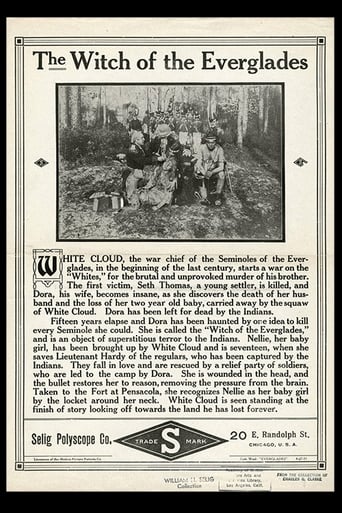
Inuit performer who emerged as one of the earliest indigenous actors in American cinema during the silent film era. She was part of the renowned Eneutseak family, which included her mother Esther Eneutseak, who gained international attention through their performances at world fairs and exhibitions in the early 1900s. The family was originally from Labrador, Canada, and were brought to the United States to participate in ethnographic displays and performances that showcased Inuit culture to American audiences. Columbia appeared in the 1911 silent film 'The Witch of the Everglades,' representing one of the earliest documented film appearances by an Inuit performer in American cinema. Her brief but significant film career occurred during a pivotal time when indigenous peoples were beginning to appear in motion pictures, though often in stereotypical roles. The Eneutseak family were among the first indigenous performers to gain recognition in both live performances and early film, helping to pave the way for future indigenous representation in cinema. Columbia's work in silent film represents an important chapter in the history of indigenous participation in American entertainment during the early 20th century.
The Craft
On Screen
Appeared in early silent films during an era when indigenous performers were often cast in stereotypical roles representing their ethnic heritage
Milestones
- Appeared in 'The Witch of the Everglades' (1911)
- Part of the Eneutseak family of indigenous performers
- Participated in early ethnographic exhibitions and world fairs
Best Known For
Iconic Roles
Must-See Films
Accolades
Special Recognition
- Recognized as one of the earliest indigenous performers in American cinema
Working Relationships
Worked Often With
Studios
Why They Matter
Impact on Culture
Columbia Eneutseak represents an important but often overlooked chapter in cinema history as one of the earliest indigenous performers to appear in American motion pictures. Her appearance in 'The Witch of the Everglades' (1911) came during a period when Native Americans and other indigenous peoples were beginning to be featured in films, though frequently in stereotypical roles. The Eneutseak family's participation in early cinema helped establish a precedent for indigenous representation in film, even as they navigated the challenging dynamics of performing for predominantly white audiences. Their work bridged traditional Inuit cultural expression with the emerging medium of cinema, creating a unique intersection of ethnographic display and entertainment that characterized early 20th century perceptions of indigenous cultures.
Lasting Legacy
Columbia Eneutseak's legacy lies in her role as an early indigenous performer in American cinema, representing the beginning of Native American and Inuit participation in the film industry. While her filmography was limited to the silent era, her work alongside her family members helped establish a foundation for future indigenous performers in Hollywood. The Eneutseak family's performances in both live exhibitions and early films documented traditional Inuit culture while also participating in the commodification of indigenous experiences that was common during this period. Their story reflects the complex relationship between indigenous peoples and early American entertainment, where cultural preservation and commercial exploitation often coexisted.
Who They Inspired
Columbia Eneutseak and her family influenced early perceptions of indigenous peoples in American media, helping to introduce Inuit culture to mainstream audiences through their performances and film appearances. Their work preceded and potentially influenced later representations of indigenous peoples in cinema, though the extent of direct influence on subsequent performers is difficult to trace due to the limited documentation of early indigenous film history. The Eneutseak family demonstrated that indigenous performers could successfully navigate both traditional cultural expression and modern entertainment mediums, potentially inspiring other indigenous individuals to pursue opportunities in film and performance.
Off Screen
Columbia Eneutseak was part of the prominent Eneutseak family of Inuit performers who gained international attention in the early 1900s. Her mother, Esther Eneutseak, was particularly well-known and led the family's performances. The family participated in various exhibitions, including the 1904 St. Louis World's Fair, where they demonstrated traditional Inuit customs and skills to American audiences. They were among the first indigenous families to achieve recognition through their performances in both live exhibitions and early motion pictures.
Education
Limited formal education, trained in traditional Inuit cultural practices and performance arts
Family
- Unknown
Did You Know?
- One of the earliest documented Inuit performers in American cinema
- Part of the famous Eneutseak family of indigenous performers
- Appeared in films during the very early years of Hollywood
- Her family performed at the 1904 St. Louis World's Fair
- The Eneutseak family were among the first indigenous performers to gain international recognition
- Her film 'The Witch of the Everglades' was produced during the transitional period when films were evolving from short subjects to longer narratives
- The family originally came from Labrador, Canada
- Her mother Esther Eneutseak was particularly well-known as a performer and cultural ambassador
- The family's performances helped document traditional Inuit customs for outside audiences
- Their work represents an important intersection of ethnography and early entertainment
In Their Own Words
No documented quotes are available from Columbia Eneutseak, which was common for performers of her era, especially those from indigenous backgrounds who often worked through translators or had limited opportunities to share their perspectives in mainstream media.
Frequently Asked Questions
Who was Columbia Eneutseak?
Inuit performer and one of the earliest indigenous with credits in this catalog. She was part of the renowned Eneutseak family who gained recognition through their performances at world fairs and in early films during the early 1900s.
What films is Columbia Eneutseak best known for?
Titles linked here include The Witch of the Everglades (1911).
When was Columbia Eneutseak born and when did she die?
Born 1890s (exact date unknown); died Unknown.
What awards did Columbia Eneutseak win?
Columbia Eneutseak did not receive any formal awards during her lifetime, as she worked during the very early days of cinema before award systems like the Academy Awards were established. Her significance lies in her role as an early indigenous performer rather than in formal recognition.
What was Columbia Eneutseak's acting style?
Columbia Eneutseak performed during the silent film era when acting was characterized by exaggerated gestures and facial expressions to convey emotion without dialogue. As an indigenous performer, she likely appeared in roles that reflected her cultural heritage, though specific details about her acting technique are not well documented.