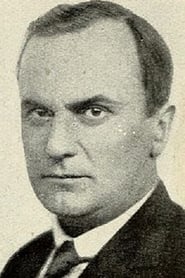
Viktor Tourjansky
Director
- Born
- November 4, 1891, Kiev, Russian Empire
- Died
- November 28, 1976
- Active
- 1915-1965
- Birth name
- Viktor Ivanovich Tourjansky
Films directed 1
About Viktor Tourjansky
Viktor Tourjansky was a Russian-born film director, screenwriter, and occasional actor who became one of the many émigré filmmakers to build careers across Europe after the upheavals of the Russian Revolution. Born in Kiev in the Russian Empire, he began his career in the silent era and quickly established himself as a versatile director capable of handling melodrama, historical subjects, adventure stories, and romantic dramas. After leaving Russia, he worked in several national cinemas, especially in Germany and later France and Italy, becoming part of the international flow of talent that shaped European filmmaking in the 1920s and 1930s. Tourjansky is especially remembered for visually polished silent and early sound films, often characterized by elegant staging, atmospheric imagery, and a strong sense of dramatic movement. His career extended well beyond the silent period, and he remained active into the postwar era, directing films in multiple languages and adapting to changing production systems. Because he worked across so many countries and studios, he is best understood as a transnational filmmaker rather than as a strictly national director. Although he is not among the most famous auteurs of classic cinema, he remains an important figure in the history of émigré directors who helped define European popular cinema between the wars.
More about Viktor Tourjansky
Behind the camera
Tourjansky's directing style is generally associated with polished, professional craftsmanship rather than overt personal experimentation. His films often emphasize visual atmosphere, romantic and melodramatic tensions, and clear narrative momentum, qualities well suited to silent cinema and to prestige genre pictures. He tended to work in the mainstream European studio tradition, giving attention to elegant compositions, expressive lighting, and controlled pacing. As an émigré filmmaker working in multiple languages and national industries, he developed a flexible approach that could adapt to different production cultures, budgets, and star systems. His work reflects the classic continental emphasis on pictorial beauty and emotional clarity.
In film history
Viktor Tourjansky represents an important class of transnational filmmakers whose careers helped connect Russian, German, French, and Italian cinema during the first half of the twentieth century. His work illustrates how exiled artists contributed to the artistic and industrial development of European film after World War I and the Russian Revolution. While he may not have achieved the lasting popular renown of the era's biggest auteurs, his films are part of the broader fabric of classic cinema history, especially in the silent and early sound periods. Directors like Tourjansky helped normalize the movement of talent across borders, making European cinema more international in style, casting, and production practice. His career also reflects the resilience of filmmakers who adapted from silent cinema to sound and from one national industry to another, preserving continuity in a rapidly changing medium.
Later reputation
Tourjansky's legacy lies in his contribution to the transnational history of European cinema and in the survival of his work across multiple eras of film production. He stands as a representative example of the émigré director who carried Russian cinematic experience into Western Europe, enriching the visual and narrative vocabulary of interwar filmmaking. For historians, his career is valuable because it demonstrates the interconnectedness of European studios and the adaptability required of directors during the silent-to-sound transition. Even where individual films are less widely remembered today, his body of work remains a useful record of mainstream European screen culture between the wars and after. He is also part of the larger legacy of directors whose careers were shaped by political upheaval, displacement, and artistic reinvention.
Influence
Tourjansky influenced the European studio tradition more through craft and continuity than through a single revolutionary style. His career helped show how directors trained or initiated in the Russian sphere could thrive in German, French, and Italian contexts, encouraging the circulation of artistic methods and personnel across borders. He contributed to the professionalization of transnational European genre filmmaking, particularly in melodrama and adventure pictures. His long career also made him a model of adaptability for later filmmakers navigating technological and industrial change.
Off screen
Publicly available biographical information about Tourjansky's private life is limited compared with his film career. He is known primarily through his work as an émigré director rather than through detailed documentation of marriages, children, or family life. Like many filmmakers who moved between Russia and Western Europe after the Revolution, his personal story is closely tied to displacement, adaptation, and professional reinvention. Specific accounts of his domestic life, if they existed, are not widely circulated in standard film reference sources.
Education
No widely documented formal film-school education is known; he appears to have entered cinema through practical industry experience in the silent era.
Credits
- Began filmmaking in the silent era and established himself as a director of melodrama and adventure films.
- Worked in multiple European film industries after leaving Russia, reflecting the international migration of artists in the interwar period.
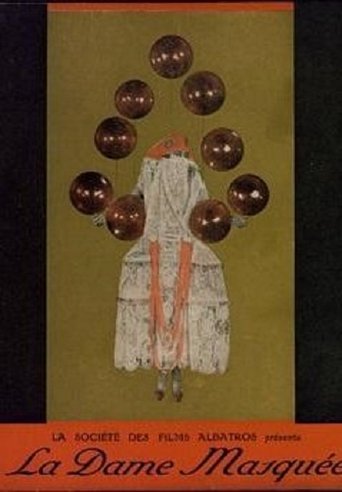
- Directed the silent film La dame masquée (1924), one of the titles associated with his early career.
- Successfully transitioned from silent cinema into sound filmmaking and continued directing for decades.
- Built a career in Germany, France, and Italy, becoming part of the cosmopolitan European studio system.
- Remained active into the postwar era, demonstrating unusual longevity for a director who began in the silent period.
Films
- La dame masquée (1924)
- The Student of Prague (various adaptations associated with interwar European cinema; Tourjansky is linked to the broader tradition of such projects rather than a single canonical version)
- Films made during his interwar European career in Germany and France
- Postwar European productions directed in the 1940s and 1950s
Collaborators
- European actors and technicians working in the interwar studio system
- Other émigré filmmakers active in Germany and France
- Producers specializing in melodrama, adventure, and prestige entertainment
Studios
- European silent-era production companies
- German film studios
- French film production companies
- Italian film production companies
Notes
- He was born in Kiev when it was part of the Russian Empire, which is why he is often described as Russian-born even though his later career was predominantly European.
- Tourjansky's surname is sometimes rendered in variant spellings in different film-reference sources, a common issue for émigré artists working across languages.
- He is one of several Russian émigré filmmakers who found new professional homes in Germany and France after the Revolution.
- His career bridged silent cinema, early sound cinema, and the postwar era, giving him an unusually long professional span.
- He worked in a highly international environment, often moving between national film industries rather than being tied to a single studio system.
- La dame masquée (1924) is among the titles associated with his early directing work and is a useful marker of his silent-era output.
- Because he worked across multiple countries, some of his films may be better known in archive and reference circles than in mainstream English-language film histories.
Questions
Who was Viktor Tourjansky?
Viktor Tourjansky was a Russian-born film director and screenwriter who built a long career in European cinema. He is best remembered for his silent and early sound films, especially work made in Germany, France, and Italy. His career reflects the international movement of filmmakers after the Russian Revolution.
What films is Viktor Tourjansky best known for?
He is associated with La dame masquée (1924) and with a broader body of silent and early sound-era European films. He worked on melodramas, adventure films, and prestige pictures across several countries. Many of his titles are best known to film historians and archive specialists rather than to mass audiences.
When was Viktor Tourjansky born and when did he die?
He was born on November 4, 1891, in Kiev, then part of the Russian Empire. He died on November 28, 1976.
What awards did Viktor Tourjansky win?
No major international awards or well-documented prize honors are widely recorded for him in standard reference sources. His reputation rests more on his long, transnational directing career than on formal awards recognition.
What was Viktor Tourjansky's directing style?
His directing style is generally described as polished and professional, with an emphasis on atmosphere, visual elegance, and clear storytelling. He worked comfortably in melodrama and adventure genres and adapted well to both silent and sound production. His films reflect the classic European studio tradition of the interwar period.
What is Viktor Tourjansky's legacy in film history?
His legacy lies in his role as an émigré filmmaker who helped connect Russian and Western European cinema. He represents the many directors whose work shaped the international character of classic European film. His career is especially important for understanding the flow of talent across borders during the silent and early sound eras.