
Sylvia Sidney
Actor
Born: August 8, 1910 in The Bronx, New York City, New York, USA Died: July 1, 1999 Active: 1929-1999 Birth Name: Sophia Kosow
Films
1 film
About Sylvia Sidney
Sylvia Sidney, born Sophia Kosow, was an American actress whose over six decades, beginning in the late 1920s and continuing through the 1990s. She rose to prominence during the early sound era, becoming one of Paramount Pictures' most valuable assets in the 1930s, known for her distinctive beauty and intense emotional performances. Sidney specialized in playing suffering, vulnerable women in social dramas and gangster films, earning critical acclaim for her roles in movies like 'An American Tragedy' (1931) and 'Fury' (1936). After her initial Hollywood success waned in the 1940s, she transitioned to stage work and television, maintaining her artistic reputation. Her career experienced a remarkable resurgence in her later years, particularly with her Academy Award-nominated performance in 'Summer Wishes, Winter Dreams' (1973) and memorable character roles in films like 'Beetlejuice' (1988). Sidney's ability to convey deep emotion through subtle expressions and her distinctive speaking voice made her a unique presence in American cinema. She continued working almost until her death in 1999, leaving behind a legacy of versatility and artistic integrity.
The Craft
On Screen
Sylvia Sidney was renowned for her naturalistic and emotionally intense acting style, which was ahead of its time in the early sound era. She specialized in portraying vulnerable, suffering women with remarkable depth and authenticity, often using minimal movement but maximum emotional impact. Her distinctive speaking voice, characterized by a slight tremor and precise enunciation, became her trademark. Sidney excelled at conveying complex emotions through her expressive eyes and subtle facial expressions, making her particularly effective in melodramas and social dramas. She was known for her ability to project both fragility and inner strength simultaneously, creating characters that audiences could deeply empathize with.
Milestones
- Signed with Paramount Pictures in 1930
- Starred in 'An American Tragedy' (1931)
- Academy Award nomination for 'Summer Wishes, Winter Dreams' (1973)
- Golden Globe for 'Summer Wishes, Winter Dreams' (1973)
- Memorable late-career role in 'Beetlejuice' (1988)
- National Board of Review Award for Best Actress (1937)
Best Known For
Iconic Roles
Must-See Films
Accolades
Won
- Golden Globe Award for Best Supporting Actress - Summer Wishes, Winter Dreams (1973)
- National Board of Review Award for Best Actress (1937)
- Saturn Award for Best Supporting Actress - Beetlejuice (1988)
Nominated
- Academy Award for Best Supporting Actress - Summer Wishes, Winter Dreams (1973)
- Emmy Award for Outstanding Supporting Actress in a Miniseries or Movie - An Early Frost (1985)
- BAFTA Award for Best Actress in a Supporting Role - Summer Wishes, Winter Dreams (1974)
Special Recognition
- Hollywood Walk of Fame star (1960)
- Film Society of Lincoln Center Tribute (1973)
- National Film Registry - Fury (1995, as cast member)
Working Relationships
Worked Often With
Studios
Why They Matter
Impact on Culture
Sylvia Sidney made a significant cultural impact as one of the first actresses to bring naturalistic emotional depth to early sound films. Her portrayal of suffering women in social dramas helped establish the template for the melodramatic heroine in American cinema. Sidney's work with directors like Fritz Lang and William Wyler contributed to the development of film noir and social problem films in the 1930s. Her distinctive style influenced generations of actresses who followed, particularly in how to convey complex emotions with subtlety and restraint. In her later career, she became an icon of character acting, showing that actresses could maintain relevance and artistic integrity well beyond traditional Hollywood age limits. Her role in 'Beetlejuice' introduced her to a new generation, cementing her status as a cultural touchstone across multiple eras of American cinema.
Lasting Legacy
Sylvia Sidney's legacy endures through her diverse body of work that spans from the Golden Age of Hollywood to contemporary cinema. She is remembered as a pioneer of naturalistic acting in early sound films, bringing unprecedented emotional authenticity to her roles. Her ability to transition seamlessly from leading lady to character actress demonstrated remarkable versatility and longevity in an industry known for its fleeting nature. Sidney's performances in films like 'Fury' and 'An American Tragedy' remain studied examples of early American dramatic acting. Her late-career renaissance proved that talent and artistry could transcend age barriers in Hollywood. The Sylvia Sidney Award for Excellence in Acting was established in her honor, continuing to support emerging talent in the performing arts.
Who They Inspired
Sylvia Sidney influenced countless actors with her naturalistic approach to emotional performance, particularly in how she conveyed vulnerability without sacrificing strength. Her technique of using minimal physical movement while maximizing emotional impact became a model for method actors who followed. Many contemporary character actresses cite Sidney as an inspiration for maintaining artistic integrity and finding meaningful roles throughout their careers. Her work with directors like Fritz Lang helped establish new standards for psychological realism in American cinema. Sidney's ability to reinvent herself from glamorous leading lady to respected character actress provided a blueprint for career longevity in Hollywood. Her influence extends to television drama, where her nuanced performances helped establish higher standards for dramatic acting in the medium.
Off Screen
Sylvia Sidney had a complex personal life marked by three marriages and a dedication to her craft that sometimes overshadowed her relationships. She was born to a Romanian-Jewish mother and Russian-Jewish father, with her father leaving when she was young. Sidney was raised by her mother and stepfather, Sigmund Sidney, whose surname she later adopted professionally. Despite her Hollywood success, she maintained a reputation for being private and somewhat reclusive, rarely discussing her personal life in public. She was known for her intelligence and wit, as well as her commitment to social causes, particularly civil rights and humanitarian efforts. In her later years, she lived quietly in New York City, occasionally appearing in film and television projects that interested her.
Education
Attended Seward Park High School in New York City, studied at the Theatre Guild School
Family
- Bennett Cerf (1935-1936)
- Luther Adler (1938-1947)
- Carlton Alsop (1947-1951)
Did You Know?
- Her birth name was Sophia Kosow, but she took her stepfather's surname Sidney professionally
- She was discovered by a Hollywood talent scout while performing in a Broadway play
- Sidney was only 4'11" tall, which sometimes limited her casting options but became part of her distinctive presence
- She was married to Bennett Cerf, the famous Random House publisher and co-founder of The Book of the Month Club
- Her distinctive eyes were often described as 'doe-like' and became one of her most recognizable features
- She was a licensed pilot and enjoyed flying in her spare time
- Sidney was offered the role of Blanche DuBois in the Broadway production of 'A Streetcar Named Desire' but turned it down
- She was a passionate advocate for animal rights and supported numerous animal welfare organizations
- Her role in 'Beetlejuice' was written specifically for her by director Tim Burton
- She was nominated for an Academy Award 42 years after her first starring role in a major film
In Their Own Words
I never wanted to be a star. I wanted to be an actress. There's a difference.
The camera doesn't lie. It knows when you're faking it.
In the old days, they wanted you to be glamorous. Now they want you to be real.
I've always been a character actress, even when I was playing leads.
Age is only important if you're cheese or wine.
The best roles come when you least expect them, and usually when you're not looking for them.
Frequently Asked Questions
Who was Sylvia Sidney?
American actress whose active years covered seven decades, from the late 1920s until her death in 1999. She was known for her emotional intensity and naturalistic acting style, particularly in 1930s melodramas and social dramas, and later for memorable character roles in films like 'Beetlejuice' and 'Summer Wishes, Winter Dreams.'
What films is Sylvia Sidney best known for?
Titles linked here include An American Tragedy (1931), City Streets (1931).
When was Sylvia Sidney born and when did she die?
Born August 8, 1910; died July 1, 1999.
What awards did Sylvia Sidney win?
Sylvia Sidney won a Golden Globe Award for Best Supporting Actress for 'Summer Wishes, Winter Dreams' (1973), a Saturn Award for Best Supporting Actress for 'Beetlejuice' (1988), and received the National Board of Review Award for Best Actress in 1937. She was also nominated for an Academy Award for Best Supporting Actress for 'Summer Wishes, Winter Dreams.'
What was Sylvia Sidney's acting style?
Sidney was known for her naturalistic and emotionally intense acting style, specializing in portraying vulnerable women with remarkable depth and authenticity. She used minimal movement but maximum emotional impact, conveying complex emotions through her expressive eyes and subtle facial expressions, with a distinctive speaking voice characterized by precise enunciation and emotional tremor.
Did Sylvia Sidney appear in television?
Yes, Sylvia Sidney had a successful television career, particularly in the 1970s and 1980s. She received an Emmy nomination for her performance in the TV movie 'An Early Frost' (1985) and appeared in numerous series including 'Murder, She Wrote,' 'The Love Boat,' and 'Thirtysomething.'
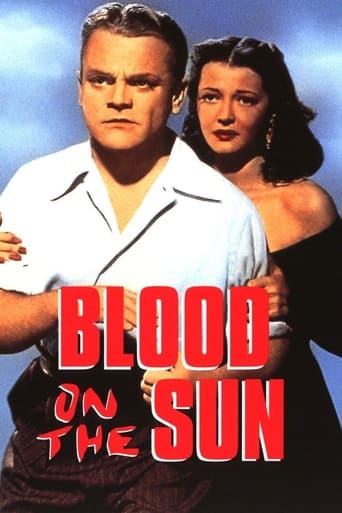
What was Sylvia Sidney's role in 'Blood on the Sun'?
In 'Blood on the Sun' (1945), Sylvia Sidney played Iris Hilliard, a half-Chinese, half-Russian woman who becomes involved with James Cagney's character in this anti-fascist film set in pre-WWII Japan. The film was notable for its political themes and Sidney's chemistry with Cagney.