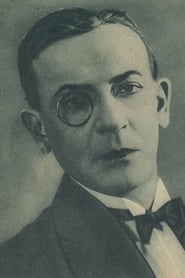
Nicolas Rimsky
Actor
- Active
- 1924-1924
Films 1
About Nicolas Rimsky
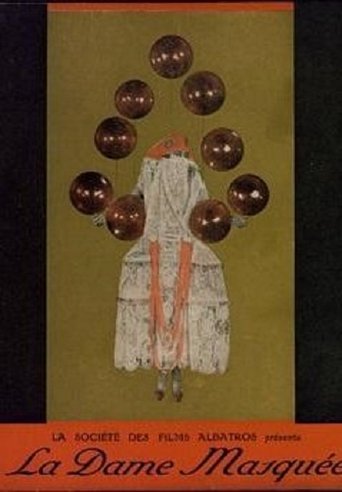
Nicolas Rimsky was a French silent-era screen actor whose known film activity is concentrated in the 1920s, including an appearance in La dame masquée (1924). He belongs to the generation of European performers who worked during the transition from stage-influenced silent acting to the more naturalistic screen styles that would develop with sound cinema. Because surviving records on lesser-documented performers of the period are often sparse, much of his broader life and career is not well preserved in widely accessible modern references. His surviving screen credit indicates that he was active in French cinema at least by the mid-1920s, a period when melodrama, romantic intrigue, and literary adaptations were common vehicles for actors of his type. Beyond that documented credit, reliable public information about his full filmography, personal life, training, and later career is limited. He should therefore be understood as one of the many working actors of the silent era whose contributions remain embedded in the historical record of early French film rather than in an extensive star legacy. His name continues to appear in film databases and archival listings because of the importance of preserving cast information from early cinema.
More about Nicolas Rimsky
On screen
No detailed contemporary criticism of Nicolas Rimsky's performance style is widely preserved in accessible sources. As a silent-era actor active in 1924, he would likely have relied on expressive facial performance, controlled gesture, and stage-derived physical clarity suited to intertitles and nonverbal storytelling. Any assessment beyond that would be speculative because surviving commentary about his individual screen technique is not readily available.
In film history
Nicolas Rimsky's cultural impact lies primarily in preservation rather than celebrity: he is part of the documented personnel of French silent cinema, where many actors contributed to the medium without becoming internationally famous. Performers like Rimsky helped sustain the production culture of the 1920s, filling the essential supporting roles that gave silent films their dramatic texture and historical authenticity. His name in surviving cast records is valuable to film historians, archivists, and database compilers who reconstruct the personnel of early European cinema. Even when an actor's individual stardom has faded, the survival of their credit helps illuminate how films were made, cast, and circulated in the silent era. In that sense, his importance is as an archival trace of the creative workforce of early French filmmaking.
Later reputation
Rimsky's legacy is that of a documented participant in the silent-film era whose credit survives as part of cinema history. For researchers of early French film, names like his help complete the picture of production networks, casting practices, and performance styles in the 1920s. Although he is not known as a major star, director, or celebrity figure, his presence in the historical record ensures that the collaborative nature of silent cinema is not reduced to only its most famous names. His lasting significance is therefore modest but real: he is part of the essential fabric of early screen culture. In archival terms, his credit contributes to the continuity and accuracy of classic-film scholarship.
Influence
There is no widely documented evidence that Nicolas Rimsky directly influenced major later actors or filmmakers in a measurable way. His influence is best understood indirectly, through the broader tradition of silent-era screen performance in France. By participating in early cinema, he was part of the professional pool from which acting conventions, casting norms, and performance expectations evolved. His recorded work remains relevant to historians studying how supporting performers contributed to the style and structure of silent French film.
Off screen
Reliable public details about Nicolas Rimsky's personal life, family background, marriages, or later years are not readily documented in major accessible sources. Unlike major stars of the period, he does not appear to have left behind a broadly reported biography in the modern reference record. As a result, his private life remains largely unknown in the public historical record.
Education
No verified educational background is readily available in accessible sources.
Credits
- Appeared in the French silent film La dame masquée (1924), the principal documented screen credit associated with his name.
- Worked during the mid-1920s, a formative period for French silent cinema and screen performance.
- Represents the many lesser-documented character and supporting performers who populated early European film production.
- His credited presence in archival film records helps preserve cast history for silent-era cinema research.
Roles
- Role in La dame masquée (1924)
Films
- La dame masquée (1924)
Notes
- Nicolas Rimsky is a sparsely documented silent-era actor, which is common for many working performers of the 1920s.
- His best-known surviving credit is La dame masquée (1924).
- He is associated with French cinema rather than Hollywood.
- Because records are limited, his life story is more visible in film databases than in narrative biographies.
- Actors like Rimsky are especially important to archivists because they help preserve complete cast histories for silent films.
- His credited activity falls entirely within the silent period, before sound cinema became dominant.
- He is an example of a performer whose historical presence survives mainly through filmography entries.
Questions
Who was Nicolas Rimsky?
Nicolas Rimsky was a French actor associated with silent-era cinema, with a documented credit in La dame masquée (1924). He is one of the many early film performers whose names survive in archival records even though detailed biographical information is scarce.
What films is Nicolas Rimsky best known for?
He is best known for La dame masquée (1924), which is the principal surviving screen credit tied to his name in accessible records. Additional film credits may exist in archival sources, but they are not widely documented in modern reference material.
When was Nicolas Rimsky born and when did he die?
His birth and death dates are not readily available in accessible public sources. Likewise, his birth and death places have not been reliably documented in the materials commonly used for film-reference research.
What awards did Nicolas Rimsky win?
No awards or formal honors are readily documented for Nicolas Rimsky in accessible sources. This is not unusual for lesser-documented silent-era performers, many of whom worked before major award systems were established or widely recorded.
What was Nicolas Rimsky's acting style?
As a silent-era actor, his style would have depended on expressive gesture, facial nuance, and clear physical storytelling rather than spoken dialogue. However, no detailed critical description of his individual technique is widely preserved, so specific claims beyond that would be speculative.
What is Nicolas Rimsky's legacy in film history?
His legacy is archival and historical: he represents the working actors who helped build silent French cinema and whose names survive in cast records. Even without star status, such performers are important because they complete the historical record of early film production.