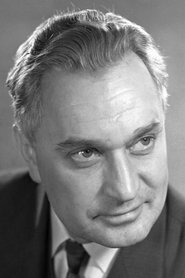
Nikolai Gritsenko
Actor
Born: December 24, 1912 in Stavropol, Russian Empire Died: May 14, 1974 Active: 1937-1974 Birth Name: Nikolai Olimpievich Gritsenko
Films
2 films
About Nikolai Gritsenko
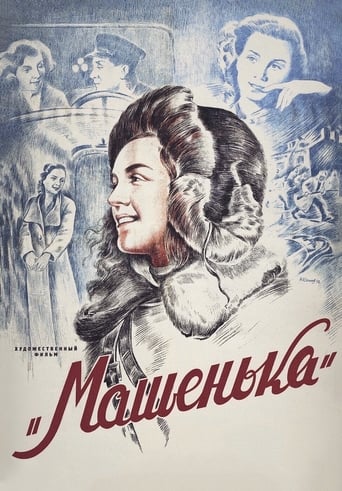
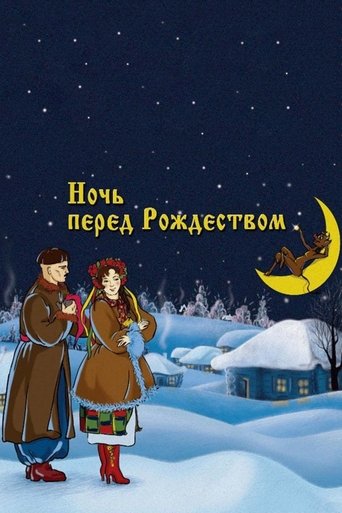
Nikolai Olimpievich Gritsenko — Soviet actor whose four decades, establishing him as recognizable and respected performers in Russian cinema and theater. After graduating from the Moscow Art Theatre School in 1937, he quickly became associated with the prestigious Moscow Art Theatre, where he honed his craft alongside some of the Soviet Union's most talented performers. His breakthrough came with his role in 'Mashenka' (1942), which showcased his ability to portray complex characters with depth and authenticity. Throughout the 1940s and 1950s, Gritsenko became a prominent figure in Soviet cinema, appearing in numerous adaptations of Russian literature and historical epics that defined the golden age of Soviet filmmaking. His performances in films like 'The Night Before Christmas' (1951) and 'The Young Guard' (1948) demonstrated his remarkable versatility, allowing him to seamlessly transition between dramatic and comedic roles. In the 1960s and 1970s, he continued to deliver powerful performances in critically acclaimed films such as 'The Cranes Are Flying' (1957) and 'Nine Days of One Year' (1962), cementing his status as a cultural icon. Beyond his film work, Gritsenko remained deeply committed to the theater, where his classical training and naturalistic acting style influenced generations of Soviet performers. His contributions to Soviet arts were recognized with the highest honors, including the title of People's Artist of the USSR, reflecting his profound impact on Russian cultural heritage.
The Craft
On Screen
Gritsenko was renowned for his naturalistic acting approach, characterized by deep psychological insight and emotional authenticity. His performances were marked by a subtle yet powerful screen presence, allowing him to convey complex emotions through minimal gestures and expressions. Drawing from his classical theater training, he brought a distinctive gravitas to his roles, whether playing historical figures or contemporary characters. His voice work was particularly notable, with a rich, resonant tone that added depth to his characterizations. Gritsenko had the rare ability to disappear completely into his roles, creating fully realized characters that felt both authentic and compelling.
Milestones
- Graduated from Moscow Art Theatre School (1937)
- Joined Moscow Art Theatre as company member
- Breakthrough role in 'Mashenka' (1942)
- Received People's Artist of the RSFSR (1954)
- Awarded People's Artist of the USSR (1964)
- Received USSR State Prize (1967)
- Performed in over 50 films throughout career
- Master of both classical and contemporary roles
Best Known For
Iconic Roles
Must-See Films
Accolades
Won
- People's Artist of the RSFSR (1954)
- People's Artist of the USSR (1964)
- USSR State Prize (1967)
- Order of the Red Banner of Labour
- Order of the Badge of Honour
Nominated
- Multiple Lenin Prize nominations for theatrical work
- Considered for various Soviet film awards throughout career
Special Recognition
- Honored Artist of the RSFSR (1948)
- People's Artist of the RSFSR (1954)
- People's Artist of the USSR (1964)
- Moscow Art Theatre Theatre Prize
- Stanislavski Prize for theatrical excellence
Working Relationships
Worked Often With
Studios
Why They Matter
Impact on Culture
Nikolai Gritsenko's impact on Soviet cinema and theater was profound and lasting, representing the pinnacle of artistic achievement during the Soviet era. His performances helped define the aesthetic and emotional tone of classic Soviet films, particularly during the post-war period when cinema served as a powerful medium for national identity and cultural expression. Through his work in adaptations of Russian literature, Gritsenko played a crucial role in preserving and reinterpreting Russia's literary heritage for new generations of filmgoers. His naturalistic acting style influenced an entire generation of Soviet actors, helping to move Soviet cinema away from the more stylized performances of earlier periods toward a more psychologically realistic approach. His ability to embody both historical and contemporary characters made him a cultural bridge between Russia's imperial past and its Soviet present.
Lasting Legacy
Nikolai Gritsenko's legacy endures through his extensive filmography, which continues to be studied and appreciated by cinema enthusiasts and scholars worldwide. His performances in classics like 'The Cranes Are Flying' and 'Mashenka' remain touchstones of Soviet cinema, frequently screened at film festivals and retrospectives dedicated to classic Russian films. As a representative of the Moscow Art Theatre tradition, he helped preserve and evolve. His son's continuation of the family acting tradition created a theatrical dynasty that further cemented the Gritsenko name in Russian cultural history. The numerous honors he received, particularly the title of People's Artist of the USSR, reflect the high esteem in which he was held by both the Soviet state and the Russian people.
Who They Inspired
Gritsenko's influence extended beyond his immediate performances to shape the broader landscape of Soviet acting. His naturalistic approach helped establish a new standard for film acting in the USSR, moving away from the theatrical declamatory style that had characterized early Soviet cinema. Younger actors who worked with him at the Moscow Art Theatre absorbed his techniques and approach, carrying forward his emphasis on psychological realism and emotional authenticity. His success in both dramatic and comedic roles demonstrated the versatility required of serious actors, influencing subsequent generations to develop broader skill sets. International recognition of his work, particularly through films like 'The Cranes Are Flying' which won the Palme d'Or at Cannes, helped expose global audiences to the depth and sophistication of Soviet acting traditions.
Off Screen
Nikolai Gritsenko's personal life was marked by his dedication to the arts and two significant marriages to prominent Soviet actresses. His first marriage was to Alla Larionova,. Later in life, he married Natalya Velichko, another accomplished actress, continuing his pattern of forming relationships within the theatrical community. These marriages reflected his deep immersion in Soviet artistic circles and his commitment to finding partners who understood the demands of his profession. Despite his public success, Gritsenko was known as a private individual who rarely discussed his personal life in interviews, preferring to let his work speak for itself.
Education
Graduated from the prestigious Moscow Art Theatre School in 1937, where he studied under some of the most influential theatrical teachers of the Soviet era. His training emphasized the Stanislavski system, which would become the foundation of his naturalistic acting style throughout his career. The rigorous classical education he received provided him with the technical skills and artistic sensibility that would serve him well in both theater and film performances.
Family
- Alla Larionova (1941-1950)
- Natalya Velichko (1960-1974)
Did You Know?
- His birth date December 24, 1912 (New Style) corresponds to December 11, 1912 in the Old Style calendar used in imperial Russia
- He served in the Soviet Army during World War II while continuing his acting career
- Despite being a major film star, he always considered theater his primary artistic home
- His performance in 'The Cranes Are Flying' was part of the film that won the Palme d'Or at Cannes in 1958
- He was known for his meticulous preparation for roles, often spending months researching historical characters
- Gritsenko spoke multiple languages, which helped him in international film festivals and cultural exchanges
- He was one of the few actors allowed to work in both Soviet and co-produced international films during the Cold War
- His voice was frequently used for dubbing foreign films into Russian due to its distinctive quality
- He turned down several offers to direct films, preferring to focus exclusively on acting
- His final film performance was in 'The Beginning of the Century' (1967), after which he focused primarily on theater
In Their Own Words
The theater is my home, cinema is my window to the world - both are necessary for a complete artistic life.
An actor must not play emotions, he must live them. The camera sees everything, especially what is not shown.
In every role, I search for the truth of the human condition. That is the actor's sacred duty.
Classical training gives you the foundation, but life gives you the material. Both are essential.
The greatest compliment is when the audience forgets they are watching an actor and believes they are witnessing life itself.
Frequently Asked Questions
Who was Nikolai Gritsenko?
Soviet with credits in this catalog. He was a prominent member of the Moscow Art Theatre and appeared in over 50 films, becoming. He received the highest honors in Soviet arts, including the title of People's Artist of the USSR.
What films is Nikolai Gritsenko best known for?
Titles linked here include Mashenka (1942), The Night Before Christmas (1951).
When was Nikolai Gritsenko born and when did he die?
Born December 24, 1912; died May 14, 1974.
What awards did Nikolai Gritsenko win?
Gritsenko received numerous prestigious awards throughout his career, including the title of People's Artist of the RSFSR in 1954, People's Artist of the USSR in 1964, the USSR State Prize in 1967, and various orders including the Order of the Red Banner of Labour and Order of the Badge of Honour. These honors reflect his immense contribution to Soviet cinema and theater.
What was Nikolai Gritsenko's acting style?
Gritsenko was known for his naturalistic acting approach characterized by deep psychological insight and emotional authenticity. Drawing from his classical Moscow Art Theatre training, he brought subtlety and depth to his roles, using minimal gestures and expressions to convey complex emotions. His style emphasized psychological realism over theatrical declamation, helping to establish a new standard for film acting in the Soviet Union.