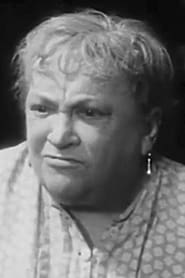
Madeleine Guitty
Actor
Born: June 15, 1870 in Paris, France Died: January 12, 1936 Active: 1923-1923
Films
1 film
About Madeleine Guitty
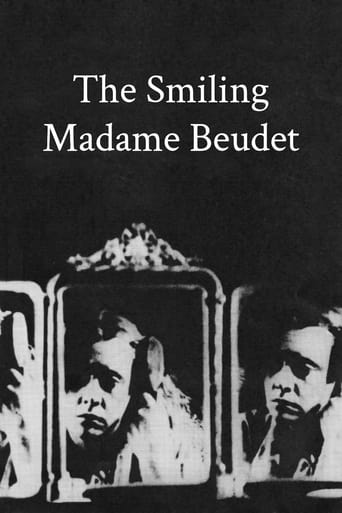
Made her mark during the transition from stage to silent cinema in early 20th century France. Born in Paris in 1870, she began her career as a stage actress, honing her craft in Parisian theaters before transitioning to the burgeoning film industry. Her most significant contribution to cinema came in 1923 when she appeared in Germaine Dulac's film 'The Smiling Madame Beudet,' where she played the pivotal role of the mother-in-law. This film, now recognized as one of the earliest feminist works in cinema history, showcased Guitty's ability to embody complex characters with psychological depth. Her performance contributed to the film's exploration of women's oppression and desire for freedom in bourgeois society. Though her film career was relatively brief, spanning primarily the early 1920s, her work in this influential masterpiece has ensured her place in cinema history. Guitty continued her acting career until her death in 1936, leaving behind a legacy as part of avant-garde films of the silent era.
The Craft
On Screen
Madeleine Guitty's acting style was characteristic of the transition from theatrical melodrama to more naturalistic screen performance. As a stage actress transitioning to film, she brought theatrical gravitas to her screen roles while adapting to the more intimate medium of cinema. In 'The Smiling Madame Beudet,' her portrayal of the domineering mother-in-law demonstrated her ability to convey complex psychological states through subtle gestures and expressions, a skill essential for silent film performance. Her style embodied the French theatrical tradition of grand gesture while embracing the emerging cinematic techniques of psychological realism.
Milestones
- Starred in Germaine Dulac's 'The Smiling Madame Beudet' (1923)
- Transitioned successfully from stage to silent film
- Contributed to one of the earliest feminist films in cinema history
- Portrayed complex character relationships in avant-garde cinema
Best Known For
Iconic Roles
Must-See Films
Accolades
Special Recognition
- Recognized as part of one of cinema's most important early feminist films
Working Relationships
Worked Often With
Why They Matter
Impact on Culture
Madeleine Guitty's cultural impact is primarily tied to her role in 'The Smiling Madame Beudet,' which stands as a landmark in feminist cinema history. The film, directed by female director Germaine Dulac, was revolutionary in its portrayal of female consciousness and desire for autonomy. Guitty's performance as the oppressive mother-in-law provided the crucial counterpoint to the protagonist's struggle for freedom, embodying the patriarchal constraints that women faced in bourgeois society. The film's innovative use of subjective camera techniques, dream sequences, and psychological depth influenced generations of filmmakers, particularly those interested in feminist perspectives. Guitty's contribution to this cinematic milestone helped establish the vocabulary of feminist film language that would continue to evolve throughout the 20th century.
Lasting Legacy
Madeleine Guitty's legacy endures through her participation in. While she may not have been a major star with an extensive filmography, her role in 'The Smiling Madame Beudet' has ensured her place in film history textbooks and feminist film studies. The film itself is regularly screened at film festivals, cinematheques, and university courses focusing on early cinema, feminist theory, and avant-garde film. Her performance serves as an example of the transition from theatrical acting to cinematic naturalism, representing an important moment in the evolution of screen acting. As part of Germaine Dulac's work, Guitty contributed to opening doors for women both in front of and behind the camera in the film industry.
Who They Inspired
While specific documentation of actors she directly influenced is limited, Madeleine Guitty's work in 'The Smiling Madame Beudet' contributed to the development of psychological realism in silent film acting. Her portrayal of complex family dynamics and oppressive social structures provided a template for future character actresses in films dealing with feminist themes. The film itself influenced countless directors and actors interested in exploring female subjectivity and consciousness on screen. Her performance demonstrated how character actors could contribute significantly to avant-garde cinema, inspiring subsequent generations to value ensemble performances and supporting roles in creating meaningful cinematic statements.
Off Screen
Limited detailed information is available about Madeleine Guitty's personal life, as was common for many character actresses of her era. She was born and raised in Paris, maintaining her French nationality throughout her life and career. As a professional actress in early 20th century France, she was part of the vibrant Parisian theatrical community before transitioning to film. Her active years covered the transformative period from stage dominance to the rise of cinema as a major art form.
Education
Likely received theatrical training in Paris, though specific educational details are not documented in available sources
Did You Know?
- Born in the same year that France declared the Third Republic
- Her film career was extremely brief but highly significant
- Worked with one of cinema's first female directors, Germaine Dulac
- Appeared in what is considered one of the first feminist films in history
- The film she starred in was preserved and restored by the French Film Archives
- Her character represented the patriarchal oppression that the film criticized
- The Smiling Madame Beudet was initially banned in some countries for its controversial themes
- She was in her early 50s when she made her most famous film
- The film used innovative techniques like superimposition and subjective camera angles
- Her stage background helped bring theatrical depth to the silent film medium
Frequently Asked Questions
Who was Madeleine Guitty?
French actress who worked during the silent film era, best known for her role in the 1923 film 'The Smiling Madame Beudet.' She began her career as a stage actress before transitioning to cinema, and though her film career was brief, she made a significant contribution to.
What films is Madeleine Guitty best known for?
Titles linked here include The Smiling Madame Beudet (1923).
When was Madeleine Guitty born and when did she die?
Born June 15, 1870; died January 12, 1936.
What awards did Madeleine Guitty win?
There are no documented awards or nominations for Madeleine Guitty, which was common for character actresses of the silent era, especially those working in avant-garde cinema. However, her legacy is preserved through the cultural significance of 'The Smiling Madame Beudet,' which is regularly studied and celebrated in film history and feminist cinema courses.
What was Madeleine Guitty's acting style?
Madeleine Guitty's acting style represented the transition from theatrical performance to cinematic naturalism. Having trained and worked on stage, she brought theatrical gravitas to her film roles while adapting to the more intimate medium of cinema. Her performance in 'The Smiling Madame Beudet' demonstrated her ability to convey complex psychological states through the subtle expressions required for silent film.
Why is Madeleine Guitty significant in film history?
Madeleine Guitty is significant primarily because of her role in 'The Smiling Madame Beudet,' which is recognized as one of the earliest feminist films in cinema history. Her performance contributed to a groundbreaking work that pioneered techniques for representing female consciousness and desire for autonomy on screen, influencing generations of filmmakers interested in feminist perspectives.