Films
1 film
About Aleksandr Ivanov
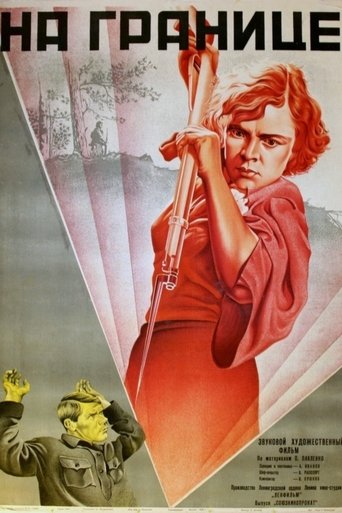
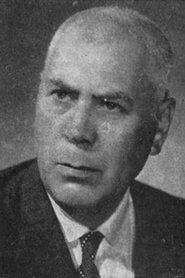
Soviet film director active during the late 1930s, a period marked by Stalin's cultural policies and state-controlled cinema production. His sole known directorial work was 'Soviet Border' (1938), a film that likely reflected the political tensions and nationalist themes prevalent in Soviet cinema of that era. Given the brief nature of his documented film career, Ivanov may have been part of the generation of filmmakers who emerged during the rapid industrialization of Soviet film production in the 1930s. The year 1938 was particularly significant in Soviet cinema as it fell during the Great Purge, which affected many artists and intellectuals in the film industry. Like many directors of this period, his work would have been subject to strict censorship and ideological requirements from Goskino, the state film committee. The limited documentation of his career suggests he may have been one of many directors whose careers were cut short by the political upheavals of the time or who transitioned to other forms of work within the Soviet cultural apparatus.
The Craft
Behind the Camera
Likely adhered to Soviet socialist realist principles, emphasizing collective heroism and political messaging typical of state-sanctioned cinema in the late 1930s
Milestones
- Directed 'Soviet Border' (1938)
Best Known For
Must-See Films
Working Relationships
Studios
Why They Matter
Impact on Culture
As a director from the late 1930s Soviet era, Aleksandr Ivanov represents the broader phenomenon of state-controlled cinema during Stalin's rule. His work, though obscure, contributes to our understanding of how political ideology shaped artistic expression during this period. The film 'Soviet Border' would have been part of the larger Soviet effort to use cinema as a tool for political education and national identity formation. Directors like Ivanov, even those with brief careers, were essential cogs in the massive Soviet cultural machine that produced hundreds of films annually to serve the state's ideological needs. Their work, whether celebrated or forgotten, forms part of the historical record of how cinema was used as a political instrument in totalitarian societies.
Lasting Legacy
Aleksandr Ivanov's legacy is primarily that of an obscure but representative figure from a pivotal period in Soviet cinema history. His single known film places him among the hundreds of directors who worked within the constraints of the Soviet system during one of its most repressive periods. While not remembered as a master auteur like Eisenstein or Vertov, directors like Ivanov are historically important for understanding the scope and scale of Soviet film production and the political pressures that shaped artistic creation. His brief career also serves as a reminder of the many artists whose work and lives were lost to history due to political upheaval, censorship, or the simple passage of time.
Who They Inspired
Given the limited documentation of his career, it's difficult to trace specific influences that Aleksandr Ivanov may have had on other filmmakers. However, as part of the Soviet film industry of the late 1930s, he would have been influenced by the prevailing doctrines of socialist realism and the aesthetic requirements set by state authorities. His work, like that of his contemporaries, would have contributed to the visual and narrative language that defined Soviet cinema of the Stalin era, even if individual directors like Ivanov remain largely anonymous to film history.
Off Screen
Very little is documented about Aleksandr Ivanov's personal life, which is common for many Soviet-era filmmakers who were not part of the elite directorial circle. His brief documented career suggests he may have been affected by the political purges that swept through the Soviet film industry in the late 1930s.
Did You Know?
- Only one film is definitively attributed to Aleksandr Ivanov: 'Soviet Border' (1938)
- His entire documented career spans just one year, making him one of cinema's briefest working directors
- 1938 was during the Great Purge in the Soviet Union, which affected many in the film industry
- The title 'Soviet Border' suggests the film was likely a propaganda piece about border security
- Many Soviet films from this period have been lost or are difficult to access in Western archives
- Directors with such brief careers in 1930s Soviet cinema often faced political persecution or career disruption
- The film industry in the USSR was completely state-controlled, with all directors working as government employees
Frequently Asked Questions
Who was Aleksandr Ivanov?
Soviet on YTB.my. He represents one of the many obscure filmmakers from the Stalin era who worked within the state-controlled Soviet cinema system.
What films is Aleksandr Ivanov best known for?
Titles linked here include Soviet Border (1938).
When was Aleksandr Ivanov born and when did he die?
Specific birth and death dates for Aleksandr Ivanov are not documented in available sources, which is common for many Soviet-era filmmakers who were not part of the industry's elite circle.
What awards did Aleksandr Ivanov win?
There are no documented awards or nominations for Aleksandr Ivanov, which is not surprising given his brief and obscure career in the Soviet film industry of the late 1930s.
What was Aleksandr Ivanov's directing style?
While specific details about his directing style are not documented, as a Soviet director in 1938 he would have been required to work within the socialist realist framework, emphasizing political messaging and collective values over individual artistic expression.
Why is so little known about Aleksandr Ivanov?
The limited information about Ivanov reflects the broader reality of Soviet film history, where many directors who were not part of the elite artistic circle or who had brief careers remain poorly documented, especially in non-Russian sources.