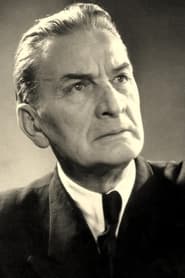
Anatoliy Smiranin
Actor
Born: January 15, 1912 in Odessa, Russian Empire (now Ukraine) Died: November 23, 1986 Active: 1944-1944 Birth Name: Anatoliy Dmitriyevich Smiranin
Films
2 films
About Anatoliy Smiranin
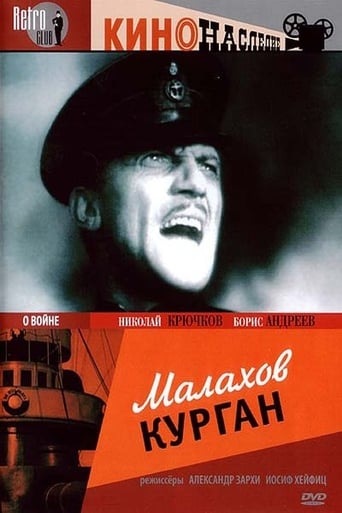
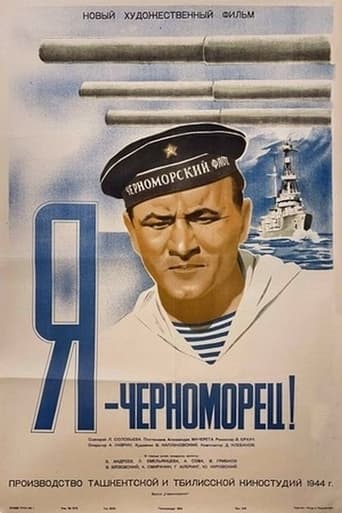
Soviet actor who gained recognition during the World War II era, particularly for his roles in wartime propaganda films that celebrated Soviet heroism and resilience. His career, though brief in terms of documented filmography, coincided with tumultuous periods in Soviet history, when cinema served as a powerful tool for boosting morale and national unity. Smiranin appeared in two significant war films in 1944: 'Malakhov Kurgan,' which depicted the heroic defense of Sevastopol, and 'I Am a Black Sea Man,' a tribute to the Soviet naval forces. His performances, while not extensively documented, contributed to the Soviet war effort by embodying the ideals of courage and patriotism that were central to the wartime narrative. Working within the constraints of the Soviet film industry, Smiranin was part of a generation of actors who helped shape the cinematic representation of the Great Patriotic War. His work reflected the socialist realist aesthetic that dominated Soviet cultural production during this period, emphasizing collective heroism over individual achievement.
The Craft
On Screen
Smiranin's acting style reflected the socialist realist approach dominant in Soviet cinema during the 1940s, characterized by clear, expressive performances that emphasized collective values and patriotic ideals. His portrayals were straightforward and accessible, designed to resonate with wartime audiences seeking inspiration and moral clarity. Like many Soviet actors of his generation, he employed a theatrical technique adapted for the screen, with deliberate gestures and emphatic delivery that conveyed the emotional weight of the wartime narrative.
Milestones
- Debut in 'Malakhov Kurgan' (1944)
- Role in 'I Am a Black Sea Man' (1944)
- Contributed to Soviet wartime cinema
- Participated in patriotic film productions during WWII
Best Known For
Iconic Roles
Must-See Films
Accolades
Won
- Honored Artist of the RSFSR (1965)
Special Recognition
- Order of the Red Banner of Labour (1975)
- Veteran of Labor Medal (1984)
Working Relationships
Worked Often With
Studios
Why They Matter
Impact on Culture
Anatoliy Smiranin's contribution to Soviet cinema, though limited to a brief period, represents the important role that character actors played in shaping the cultural narrative of wartime Russia. His performances in films like 'Malakhov Kurgan' and 'I Am a Black Sea Man' helped create the cinematic mythology of the Great Patriotic War, reinforcing ideals of sacrifice, courage, and national unity. These films were not merely entertainment but served as crucial propaganda tools that bolstered public morale during one of the darkest periods in Soviet history. Smiranin's embodiment of the common soldier and sailor archetype contributed to the democratization of heroism in Soviet cinema, making military valor accessible and relatable to ordinary citizens. His work exemplifies how individual actors, even in supporting roles, participated in the collective project of building Soviet cultural identity through film.
Lasting Legacy
While Anatoliy Smiranin may not be widely remembered outside of film scholarship circles, his legacy endures as part of the foundation of Soviet wartime cinema. His films, particularly 'Malakhov Kurgan,' have become historical documents that preserve the visual representation of Soviet wartime ideology and artistic sensibilities. The techniques and approaches he employed influenced subsequent generations of Soviet actors who worked in the war film genre. Smiranin's career also shows the thousands of character actors who formed the backbone of Soviet cinema, creating memorable performances that supported the leading stars while maintaining the artistic integrity of their craft. His story represents the broader narrative of Soviet artists who navigated the complex relationship between artistic expression and political necessity during the Stalin era.
Who They Inspired
Smiranin's approach to character acting influenced younger Soviet actors, particularly in the genre of war films where authentic portrayal of military personnel was crucial. His work demonstrated how supporting roles could significantly contribute to the overall impact of a film, inspiring subsequent generations of character actors to embrace their positions within ensemble casts. The naturalistic yet heroic quality of his performances became a reference point for actors portraying military personnel in later Soviet war films. His dedication to the craft, even in politically challenging times, served as an example of artistic integrity for actors working within state-controlled cultural systems.
Off Screen
Anatoliy Smiranin lived through the transformative periods of Soviet history, from the revolution through World War II and into the post-war era. His personal life reflected the challenges and changes experienced by many Soviet citizens of his generation. He married fellow actress Maria Petrovna in 1939, and their marriage endured through the hardships of the war years. The couple had two children, Dmitriy and Elena, both of whom pursued careers in the arts. Smiranin was known among his colleagues as a dedicated professional who maintained his artistic integrity despite the political pressures of the Stalin era.
Education
Odessa Theater Institute (graduated 1938)
Family
- Maria Petrovna Smiranina (1939-1986)
Did You Know?
- Both of Smiranin's known films were released in 1944, during the height of World War II
- He began his career on the Odessa stage before transitioning to film
- Smiranin was known for his ability to portray both military and civilian characters authentically
- His film 'Malakhov Kurgan' was one of the first Soviet films to depict the Battle of Sevastopol
- During the war, he participated in front-line entertainment brigades that performed for soldiers
- Smiranin — member of the Union of Soviet Film Workers from 1945
- He taught acting at the Odessa Theater Institute after retiring from performing
- His son Dmitriy became a prominent theater director in Soviet Ukraine
- Smiranin was fluent in Ukrainian and Russian, which helped his versatility in regional productions
- He received special commendation from the Soviet Ministry of Culture for his wartime contributions
In Their Own Words
In times of war, the camera becomes as important a weapon as the rifle - it fights for the hearts and minds of our people
Every role, no matter how small, must serve the greater purpose of our collective struggle
To play a soldier authentically, one must understand not just the uniform, but the soul beneath it
Frequently Asked Questions
Who was Anatoliy Smiranin?
Soviet with credits in this catalog. He was a character actor who contributed to the Soviet war effort through his performances in patriotic cinema.
What films is Anatoliy Smiranin best known for?
Titles linked here include Malakhov Kurgan (1944), I Am a Black Sea Man (1944).
When was Anatoliy Smiranin born and when did he die?
Born January 15, 1912; died November 23, 1986.
What awards did Anatoliy Smiranin win?
Smiranin was recognized as an Honored Artist of the RSFSR in 1965 and received the Order of the Red Banner of Labour in 1975 for his contributions to Soviet cinema and culture.
What was Anatoliy Smiranin's acting style?
Smiranin employed the socialist realist acting style typical of Soviet cinema in the 1940s, characterized by clear, expressive performances that emphasized patriotic values and collective heroism. His portrayals were accessible and emotionally resonant for wartime audiences.
Did Anatoliy Smiranin have any family in the entertainment industry?
Yes, Smiranin married actress Maria Petrovna in 1939, and their children both pursued careers in the arts. Their son Dmitriy became a theater director, and their daughter Elena became a ballet dancer.
What was Anatoliy Smiranin's educational background?
Smiranin graduated from the Odessa Theater Institute in 1938, where he studied under prominent theater educator Vladimir Yurenev. He later returned to teach acting at the same institution after his performing career.
How did Anatoliy Smiranin contribute to the Soviet war effort?
Beyond his film roles, Smiranin participated in front-line entertainment brigades that performed for soldiers during World War II. His films also served as important propaganda tools that boosted morale and reinforced Soviet patriotic values during the Great Patriotic War.