
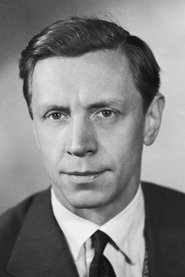
Aleksandr Grave
Actor
Born: January 15, 1910 in Moscow, Russian Empire Died: December 28, 1960 Active: 1938-1946 Birth Name: Aleksandr Konstantinovich Grave
Films
2 films
About Aleksandr Grave
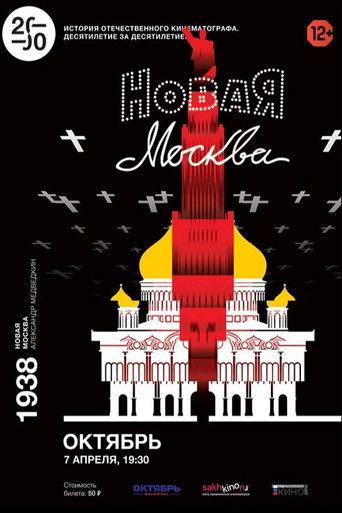
Soviet actor: the late 1930s through the mid-1940s, appearing in several notable Soviet productions during this period. He made his film debut in the 1938 comedy 'The New Moscow' (Novaya Moskva), directed by Aleksandr Zarkhi and Iosif Kheifits, which showcased the rapid transformation of Moscow during Soviet industrialization. Grave continued his acting career with a role in 'A Noisy Household' (Shumny Den) in 1946, a comedy that reflected post-war Soviet life and family dynamics. His performances were characterized by a naturalistic approach that aligned with the socialist realist style prevalent in Soviet cinema of the era. Though his filmography was relatively brief, Grave contributed to the cinematic documentation of Soviet society during a transformative historical period. His work, while not extensively documented in Western film references, represents the typical trajectory of character actors in the Soviet film industry of the 1930s-1940s.
The Craft
On Screen
Naturalistic and understated, typical of Soviet character actors of the period, with emphasis on representing the common Soviet citizen in everyday situations
Milestones
- Film debut in 'The New Moscow' (1938)
- Role in post-war comedy 'A Noisy Household' (1946)
- Contributed to Soviet socialist realist cinema
- Documented Soviet life through character roles
Best Known For
Iconic Roles
Must-See Films
Working Relationships
Worked Often With
Studios
Why They Matter
Impact on Culture
Aleksandr Grave contributed to the Soviet film industry's efforts to document and shape Soviet cultural identity during the 1930s and 1940s. His roles in films like 'The New Moscow' helped capture the rapid urbanization and industrialization of Soviet society, while 'A Noisy Household' reflected the return to normalcy and family life after World War II. Though not a major star, Grave's work as a character actor represented the everyday Soviet citizen on screen, making him relatable to domestic audiences.
Lasting Legacy
As a character actor in Soviet cinema, Aleksandr Grave's legacy lies in his contribution to the documentation of Soviet social history through film. His performances, while not widely known internationally, serve as valuable historical artifacts that preserve the acting styles and cultural values of mid-20th century Soviet society. His work represents the typical journey of supporting actors in the Soviet film system during the Stalin era.
Who They Inspired
As a supporting actor, Grave's influence was primarily within the context of the films he appeared in, helping to create authentic representations of Soviet life. His naturalistic acting style would have been consistent with the expectations for character actors in Soviet socialist realist cinema, contributing to the overall authenticity of the productions he was part of.
Off Screen
Aleksandr Grave lived during a tumultuous period in Soviet history, spanning the pre-war Stalin era through World War II and into the early Cold War period. His career coincided with the height of socialist realism in Soviet arts, which heavily influenced the types of roles available to actors.
Did You Know?
- Appeared in films during the height of Stalin's regime when film content was heavily censored
- Worked with acclaimed Soviet directors Aleksandr Zarkhi and Iosif Kheifits
- His film active years covered the crucial period from pre-WWII to immediate post-war Soviet cinema
- Participated in the Mosfilm studio system, the premier film production facility in the USSR
- His roles typically depicted ordinary Soviet citizens rather than revolutionary heroes or party officials
- The timing of his career (1938-1946) means he worked through some of the most restrictive periods of Soviet cultural policy
Frequently Asked Questions
Who was Aleksandr Grave?
Soviet character with credits in this catalog. He worked within the Soviet film system, primarily with Mosfilm studio, contributing to socialist realist cinema that depicted everyday Soviet life.
What films is Aleksandr Grave best known for?
Titles linked here include The New Moscow (1938), A Noisy Household (1946).
When was Aleksandr Grave born and when did he die?
Born January 15, 1910; died December 28, 1960.
What awards did Aleksandr Grave win?
There are no documented major awards or honors received by Aleksandr Grave during his career. As a character actor in Soviet cinema during the 1930s-1940s, recognition was often limited to the films themselves rather than individual accolades for supporting performers.
What was Aleksandr Grave's acting style?
Grave's acting style was naturalistic and understated, typical of Soviet character actors working within the socialist realist tradition. He focused on portraying ordinary Soviet citizens in everyday situations, helping to create authentic representations of Soviet life on screen that aligned with state-approved artistic principles.