Films
1 film
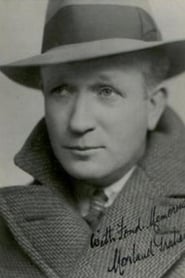
About Morland Graham
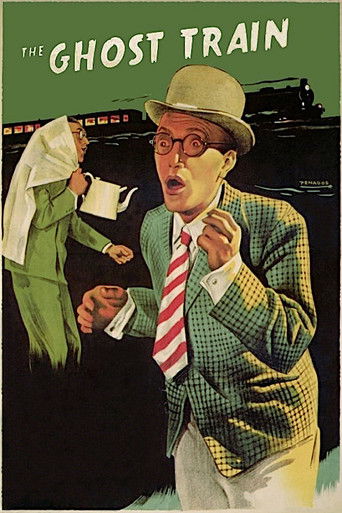
British character actor: from the early 1930s until his death in 1946. Born in London in 1889, Graham developed a reputation for portraying eccentric, often comedic characters with remarkable authenticity and charm. He became a familiar face in British cinema during the Golden Age of British film, appearing in over 50 productions. His performance in 'The Ghost Train' (1941) as the mysterious station master stands as one of his most memorable roles, showcasing his ability to blend humor with mystery. Graham specialized in playing quirky supporting characters, often bringing depth and humanity to roles that could have been mere caricatures. His distinctive appearance and mannerisms made him instantly recognizable to British cinema audiences. Despite never achieving leading man status, Graham's contributions to British film were significant, providing essential character support in numerous productions during wartime Britain.
The Craft
On Screen
Graham was known for his distinctive character acting style, specializing in eccentric and quirky roles with a natural, understated approach. He possessed a unique ability to bring humanity to eccentric characters, avoiding caricature while maintaining comedic timing. His performances were marked by subtle facial expressions and a gentle, almost whimsical delivery that made his characters memorable. Graham had a particular talent for playing mysterious or slightly mad characters with an underlying warmth that audiences found endearing.
Milestones
- Breakthrough role in 'The Ghost Train' (1941)
- Extensive work in British wartime cinema
- Over 50 film appearances in 14-year career
- Specialization in eccentric character roles
- Collaboration with major British studios
Best Known For
Iconic Roles
Must-See Films
Working Relationships
Worked Often With
Studios
Why They Matter
Impact on Culture
Morland Graham contributed significantly to the golden age of British cinema by providing essential character support in numerous films during a crucial period in British history. His work during World War II helped maintain national morale through entertainment, a vital contribution to the war effort. Graham's performances helped establish the tradition of eccentric British character acting that would influence generations of actors to follow. His ability to bring depth to supporting roles demonstrated the importance of character actors in creating rich cinematic worlds.
Lasting Legacy
Morland Graham's legacy lies in his contribution to British cinema's character acting tradition. Though never a star, his work in films like 'The Ghost Train' has endured as an example of quality supporting performance. His approach to eccentric characters influenced subsequent generations of British character actors. Graham represents the backbone of classic British cinema - the reliable character actors who brought authenticity and depth to supporting roles.
Who They Inspired
Graham influenced British character acting through his naturalistic approach to eccentric roles, showing that quirky characters could be portrayed with depth and humanity. His work demonstrated the importance of character actors in ensemble casts, paving the way for future character actors to be recognized for their essential contributions to cinema.
Off Screen
Morland Graham was known as a private individual who dedicated his life to his craft. Little is publicly documented about his personal relationships, though he was respected by colleagues for his professionalism and dedication to acting. He continued working through World War II, contributing to British morale through his film performances.
Education
Limited information available about his formal education, though he likely received theatrical training in London's vibrant theater scene
Did You Know?
- Despite being active for over a decade, many sources incorrectly list his career as only 1941 due to the prominence of 'The Ghost Train'
- He was part of a generation of British actors who successfully transitioned from stage to film
- Graham worked extensively during World War II, when British film production was at its peak for morale purposes
- His distinctive appearance made him a favorite for eccentric or mysterious roles
- He appeared in both comedy and dramatic films, showcasing his versatility
- Many of his films have become classics of British cinema
- He worked with some of Britain's most celebrated directors and actors
- His career was cut short by his death in 1946 at the relatively young age of 57
Frequently Asked Questions
Who was Morland Graham?
British character with credits in this catalog. He appeared in over 50 films and is particularly remembered for his performance as the station master in 'The Ghost Train' (1941).
What films is Morland Graham best known for?
Titles linked here include The Ghost Train (1941), The Man Who Could Work Miracles (1936).
When was Morland Graham born and when did he die?
Born 1889; died 1946.
What awards did Morland Graham win?
There are no recorded major awards or nominations for Morland Graham, which was common for character actors of his era who rarely received the recognition given to leading actors.
What was Morland Graham's acting style?
Graham specialized in portraying eccentric characters with a natural, understated approach. He was known for bringing humanity to quirky roles through subtle expressions and gentle delivery, avoiding caricature while maintaining comedic timing.