
Films
1 film
About Odéo
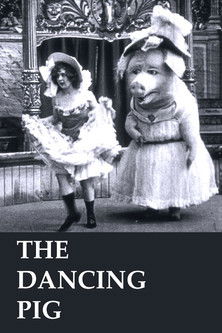
French performer from the very early days of cinema, active during the year of 1907. He is known primarily for his appearance in the Pathé production 'The Dancing Pig' (Le Cochon Danseur), bizarre and memorable short films of the silent era. His performance involved wearing an elaborate pig costume and performing a surreal dance routine that has since become an example of early cinema's experimental nature. Like many performers of this period, Odéo was likely a stage actor or variety show performer recruited by the burgeoning film industry. His career appears to have been extremely brief, with 'The Dancing Pig' being his only known film credit. The film itself has gained cult status among film historians and enthusiasts of early cinema, making Odéo's brief contribution unexpectedly enduring. His work represents the transitional period when cinema was moving from simple documentary-style recordings to more theatrical and performative expressions.
The Craft
On Screen
Physical comedy and performance art, characterized by exaggerated movements and theatrical presence typical of early silent film performers who adapted stage techniques for the camera
Milestones
- Starred in 'The Dancing Pig' (1907),
- Participated in the era of French cinema with Pathé studios
Best Known For
Iconic Roles
Must-See Films
Working Relationships
Studios
Why They Matter
Impact on Culture
Though his career was brief, Odéo's performance in 'The Dancing Pig' has had an unexpected cultural longevity. The film has become a viral sensation in the internet age, frequently shared on social media platforms and discussed in film history circles as an example of early cinema's surreal and experimental nature. His work represents the period when French cinema was establishing itself as a major artistic force, with Pathé leading the way in innovative short films. The performance demonstrates how early filmmakers were exploring the boundaries of what could be shown on screen, using costumes and physical comedy to create memorable images that would survive for over a century.
Lasting Legacy
Odéo's legacy is intrinsically tied to the enduring fascination with 'The Dancing Pig,' which has become. While he never achieved fame during his lifetime, his performance has been preserved and celebrated as a prime example of early cinema's artistic experimentation. The film's survival and continued discussion in academic and popular contexts means that Odéo's brief contribution to cinema has outlasted many more famous contemporaries. His work serves as a reminder of the countless anonymous performers who helped establish the foundation of cinema as an art form.
Who They Inspired
As a performer from the very earliest days of cinema, Odéo's direct influence on subsequent actors is difficult to trace. However, his work in 'The Dancing Pig' represents the type of physical performance that would become fundamental to silent film comedy. The exaggerated movements and commitment to character performance in costume would influence generations of physical comedians and character actors, even if they were unaware of his specific contribution.
Off Screen
Very little is known about Odéo's personal life, which was typical for performers of this early cinema period who were often considered disposable labor by film studios. He likely came from a background in theater or variety entertainment, as most early film actors did.
Did You Know?
- 'The Dancing Pig' has become an internet meme decades after its creation
- The film was produced by Pathé,
- The pig costume used in the film was remarkably elaborate for its time
- The film runs for approximately 2-3 minutes, typical of early shorts
- Odéo's entire known filmography consists of this single film
- The film has been described by modern viewers as both whimsical and unsettling
- Pathé distributed the film internationally, making it one of the earliest examples of French cinema reaching global audiences
- The film survives today and is available through various film archives and online platforms
Frequently Asked Questions
Who was Odéo?
French ' He was one of the many performers who contributed to the days of French cinema.
What films is Odéo best known for?
Titles linked here include The Dancing Pig (1907).
When was Odéo born and when did he die?
The birth and death dates of Odéo are unknown, which was common for performers of this early cinema period who often came from theater backgrounds and were not extensively documented by film studios.
What awards did Odéo win?
Odéo did not receive any awards, as the film industry had not yet established award systems in 1907. The Academy Awards would not be created until 1929, over two decades after his brief career.
What was Odéo's acting style?
Odéo's acting style was typical of early silent film performers, emphasizing physical comedy and exaggerated movements. His performance in 'The Dancing Pig' required commitment to a character in full costume, using body language and dance to entertain audiences.
Why is 'The Dancing Pig' significant?
'The Dancing Pig' is significant as an example of early cinema's experimental nature and has gained modern attention for its surreal quality. The film represents Pathé Studios' innovative approach to short-form entertainment in cinema's earliest years.
Did Odéo have a career beyond 1907?
Based on available film records, Odéo's known film career was limited to 1907. Like many early performers, he may have returned to stage work or other entertainment ventures after his brief film appearance.